
Princess Hawa Momoh, District Health Sister in Kailahun District talks about capacity development and stakeholder collaboration for improved health outcomes
Achievements, impact and legacy
ReBUILD’s work found that community leaders play a significant role in connecting communities to formal health systems; engaging them, supporting community resilience capacities and influencing health behaviours and local decision making.
Informal healthcare providers were active in all our partner settings, although their backgrounds and services vary.
The private for-profit sector is substantial in all four settings, but knowledge of how best to govern it is limited, with tensions between public and private healthcare sectors.
We found that NGOs often complement public service delivery roles and can demand accountability and amplify community voices. However, they may not be integrated into national plans, and short-term funding dependence is a common challenge, with many NGOs primarily accountable to funders who may be external. Ensuring effective platforms for coordination and data sharing are priorities.
During and after shocks, and when preparing for future crises, health systems come under immense pressure. Resilience in these contexts often requires non-state actors to take on significant and extended roles.
Non-state actors take many forms – community leaders, informal healthcare providers, the private commercial sector, local non-governmental organisations, members of the diaspora and civil society organisations – and play very different roles and bring diverse strengths. However, how they are supported to engage during crises, and to work together is key.
ReBUILD’s work in Lebanon, Myanmar, Nepal, and Sierra Leone, and wider thematic research, provides lessons on enhancing the roles and resilience capacities of domestic non-state actors and the diaspora to support equitable healthcare delivery.
The role of diaspora in supporting health systems resilience in fragile and shock-prone settings: findings from a multi-country study
PODCAST:
Guests explore the critical role of non-state actors and informal providers in health systems within fragile settings, sharing insights on the legitimacy, roles and the challenges faced.
Key studies
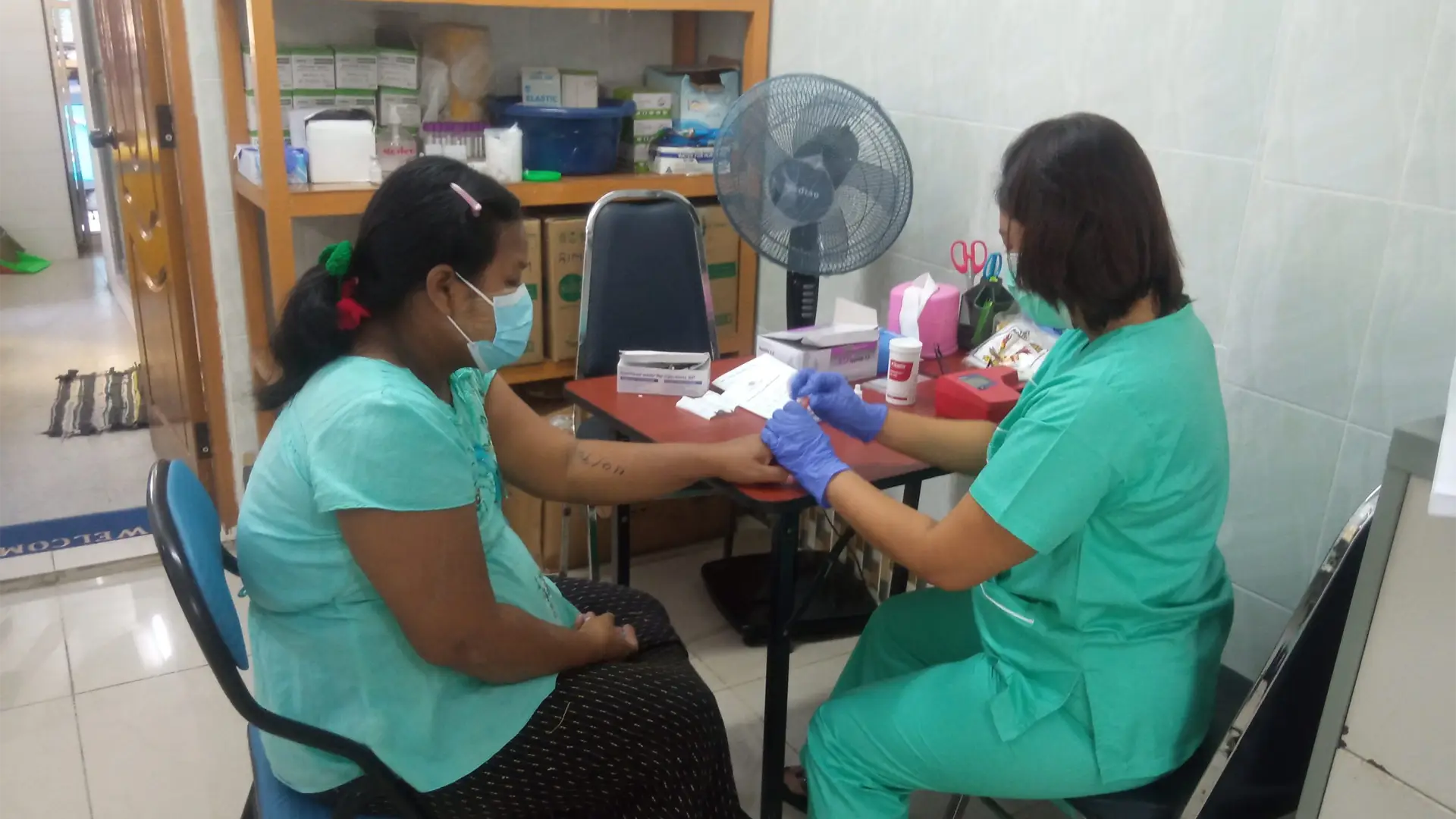
Due to weaknesses in and the low reach of the public health system, especially in border areas, provision of health services by non-state actors (including NGOs, civil society organisations, Ethnic Health Organisations and the private for profit sector) has historically played an important role in Myanmar. This study examined the changing role of non-state actors in Myanmar’s and explored their contribution to health system resilience.

The global aid landscape is experiencing unprecedented volatility, with devastating consequences for health systems and communities, particularly in aid-dependent fragile settings. This study considered the critical and overlooked, value of diaspora and their financial, human, and social capital contributions to health systems resilience and how these can be used more effectively in fragile settings.
(Image: imaginima via iStock)
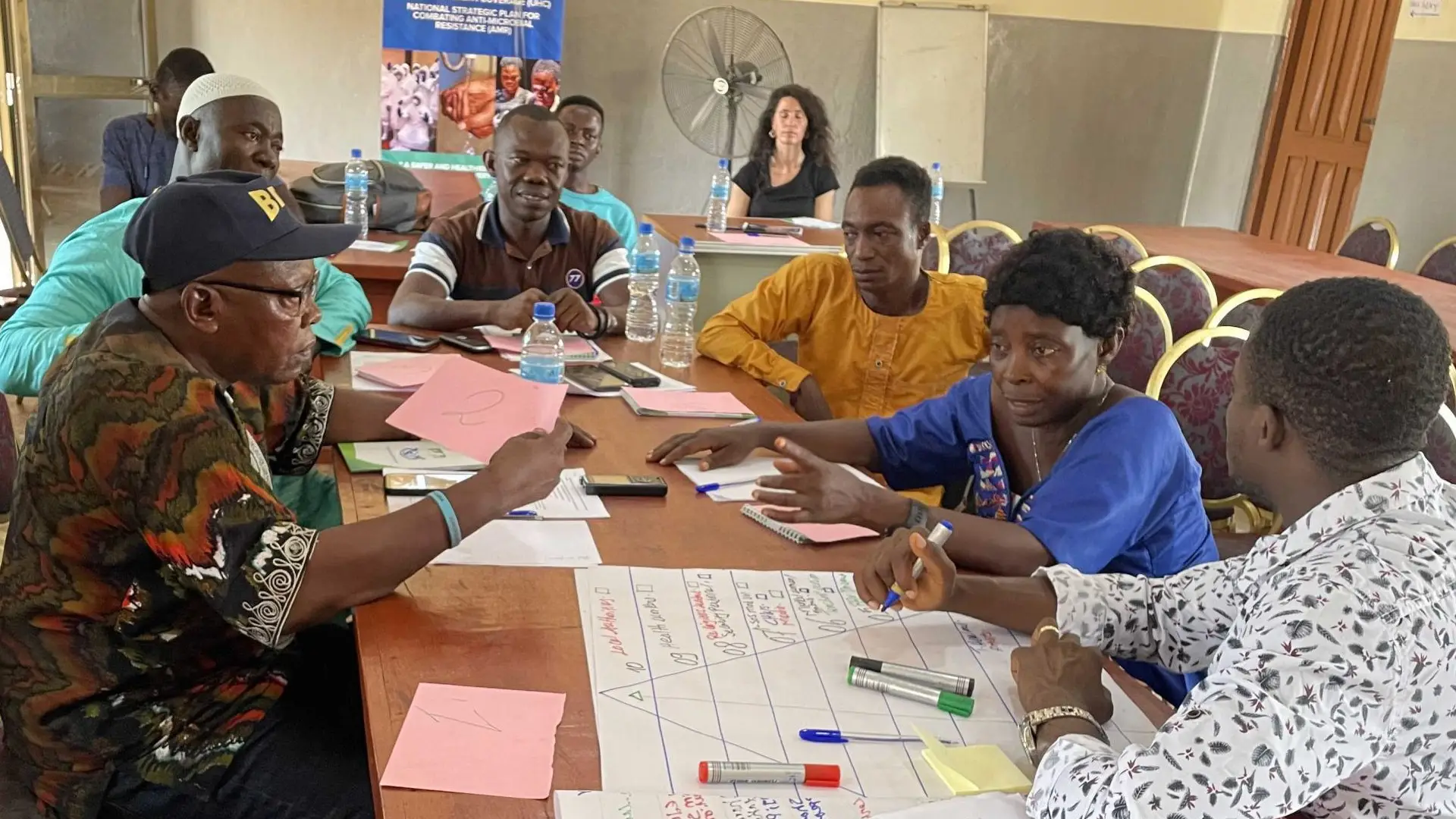
The learning site study followed participatory action research principles and methodologies, mapping key leaders and their power dynamics within the community and health system. Systemic barriers to community leader engagement in public health emergencies were identified. Co-created action agendas led to a novel radio intervention and improved coordination, prioritisation and implementation of work on sanitation, maternal health and drug use.
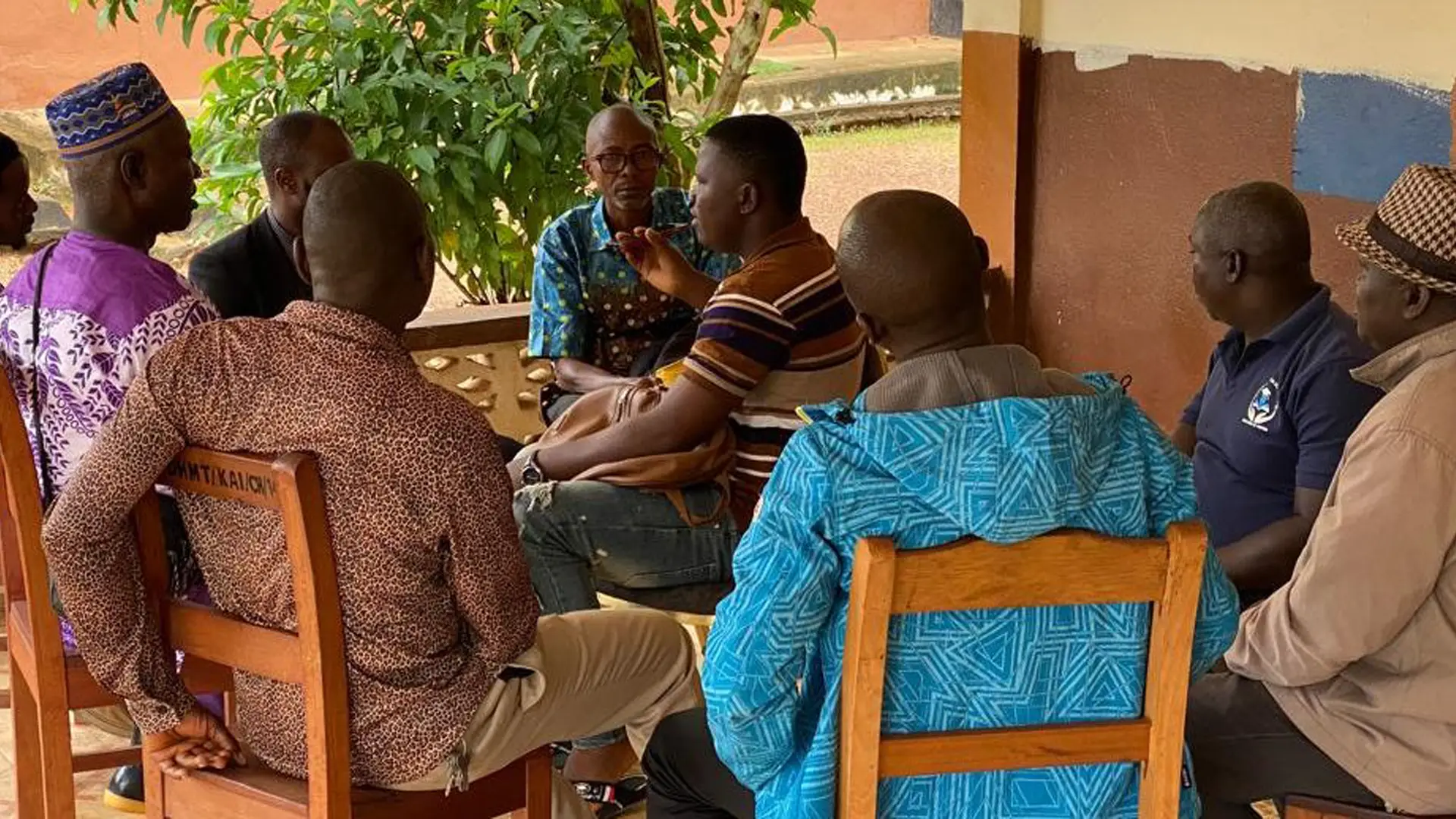
This study aimed to strengthen how local health and social systems respond to the rise of Kush; a highly-addictive drug which is having a profound impact in Sierra Leone. By working with the people closest to both the problem and the solution – youth, families, religious and traditional leaders, health workers, local authorities, and civil society – the study identified and co-designed interventions with communities and partners, aiming to develop proposals to take them to scale.

“I led a study on the diaspora’s role in strengthening health system resilience in Sierra Leone, highlighting how they fill critical gaps in both crisis and stable periods while contributing expertise that informs policy reform and long-term resilience.”
HALIMATU KAMARA, INSTITUTE FOR DEVELOPMENT, SIERRA LEONE
Key resources