
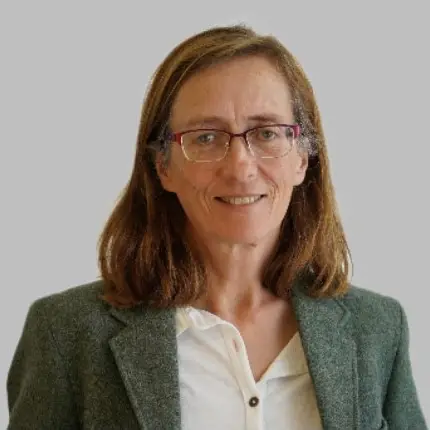
PROFESSOR SOPHIE WITTER,
QUEEN MARGARET UNIVERSITY,
EDINBURGH
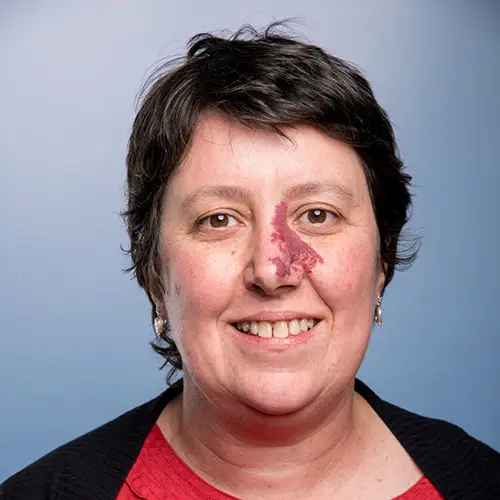
PROFESSOR JOANNA RAVEN,
LIVERPOOL SCHOOL OF TROPICAL
MEDICINE
ReBUILD for Resilience co-leads Joanna Raven and Sophie Witter introduce the consortium and the team’s contexts, challenges, and achievements.
Facing fragility
In 2020, when ReBUILD started its work looking at how to support the development of health system resilience capacities in fragile and shock-prone settings, fragile contexts were home to 23% of the world’s population and 76.5% of all those living in extreme poverty globally (OECD States of Fragility 2020). We knew that we had set ourselves an ambitious goal, but had little idea of the range of shocks that were to hit the world and our focus countries over the consortium’s lifetime.
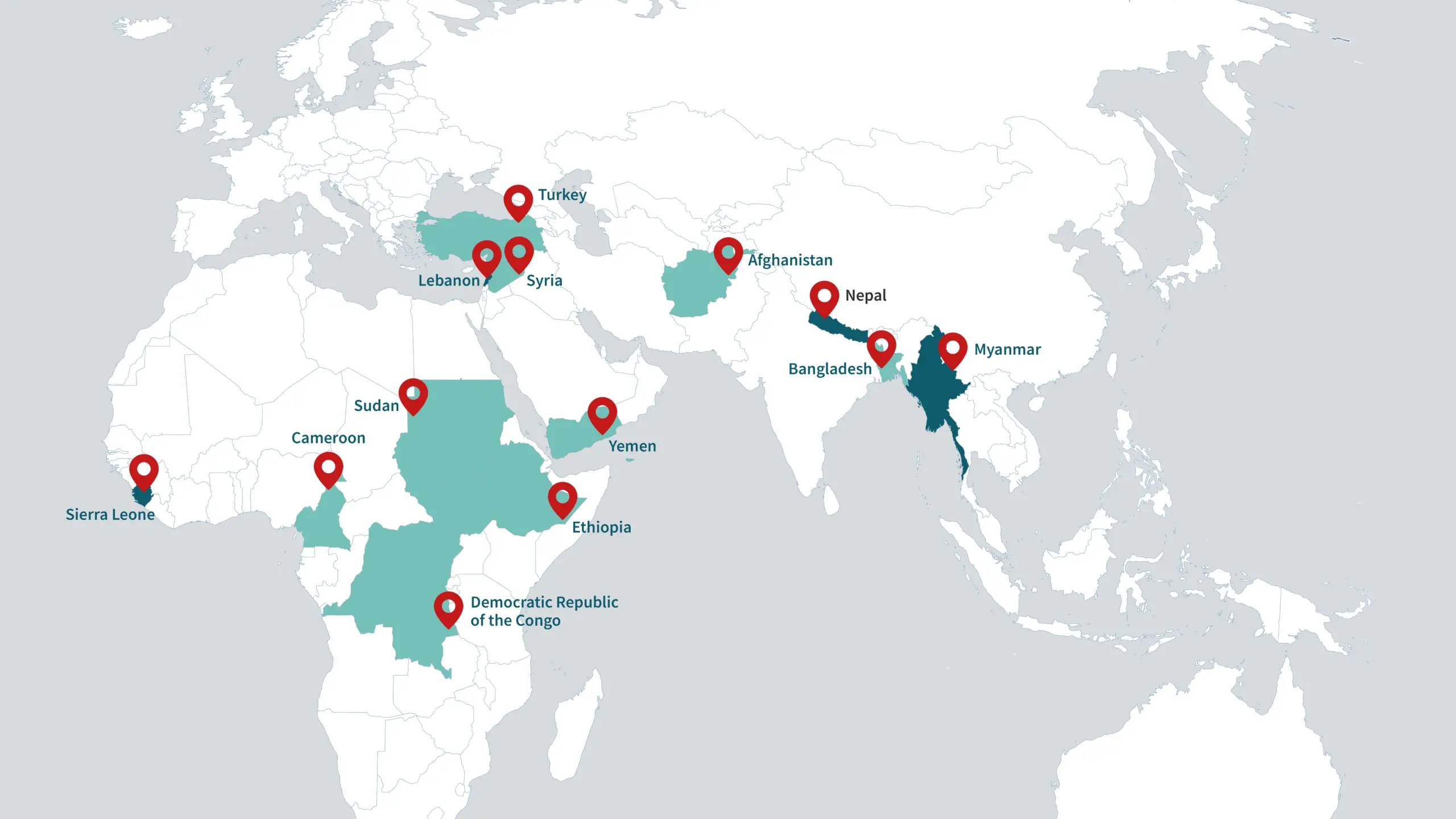
COVID-19 placed major stresses on health systems, economies and societies, and our partner countries (Lebanon, Myanmar, Nepal and Sierra Leone) also experienced conflict, political crises, natural disasters, economic shocks and disease outbreaks, alongside longer-term challenges of climate change and new health threats, such as rising non-communicable diseases and health misinformation. At the global level, dramatic reductions in development assistance for health and a reduction in political support for health as a global good – which our partner countries are highly dependent on – alongside the weakening of multilateral frameworks for global health governance add to the instability and threats facing fragile and shock-prone settings.
Increasing fragility
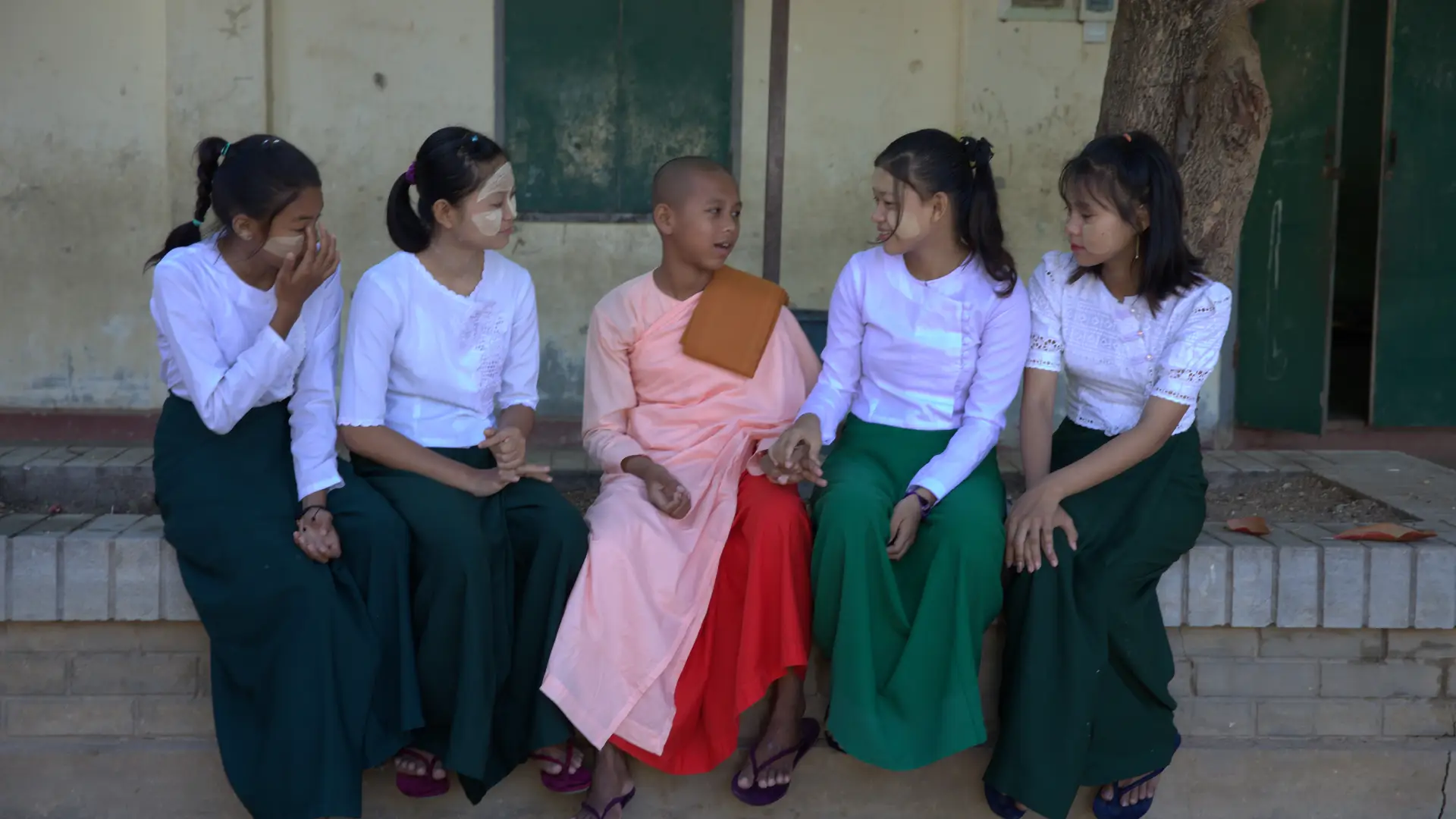
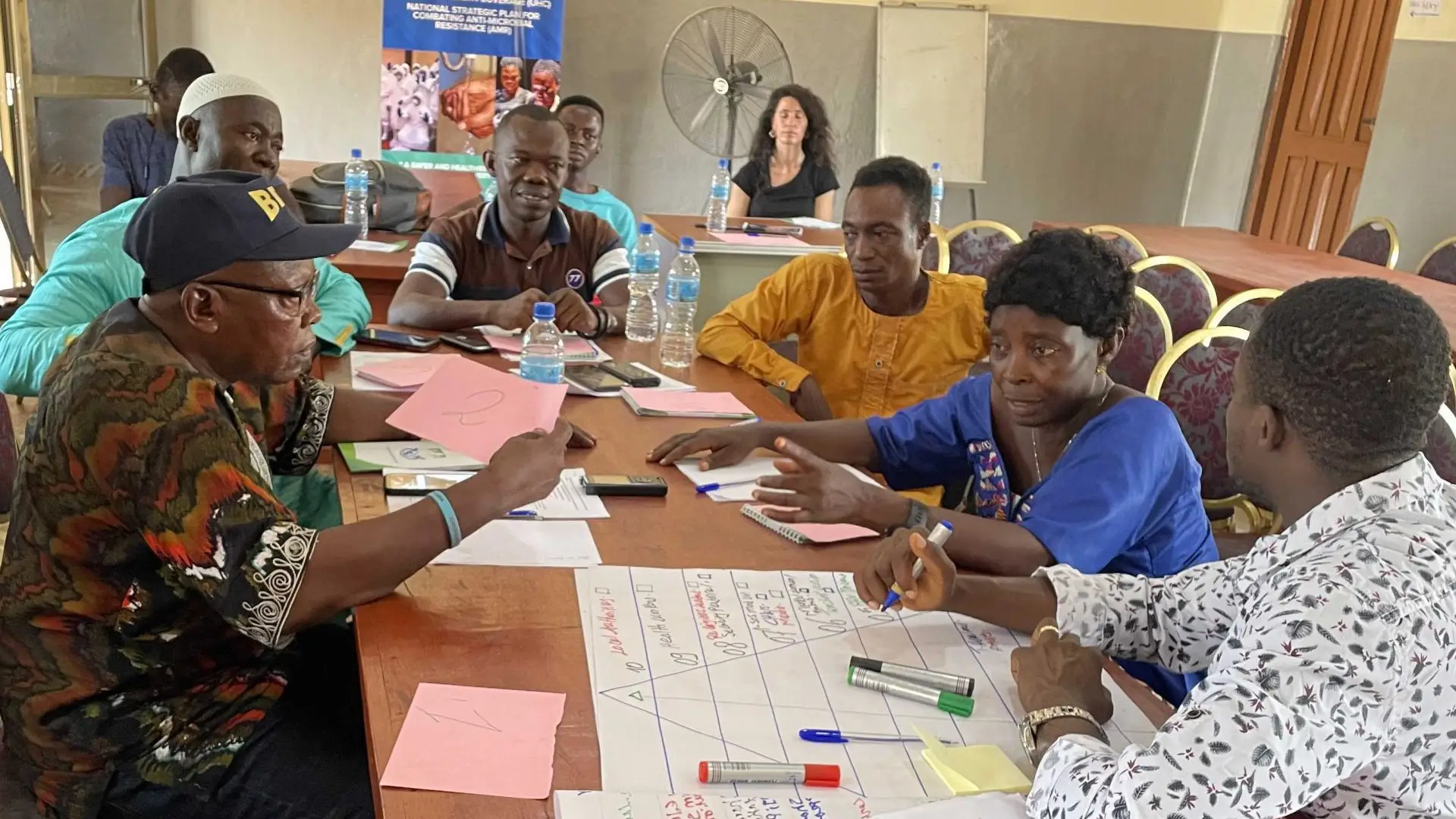
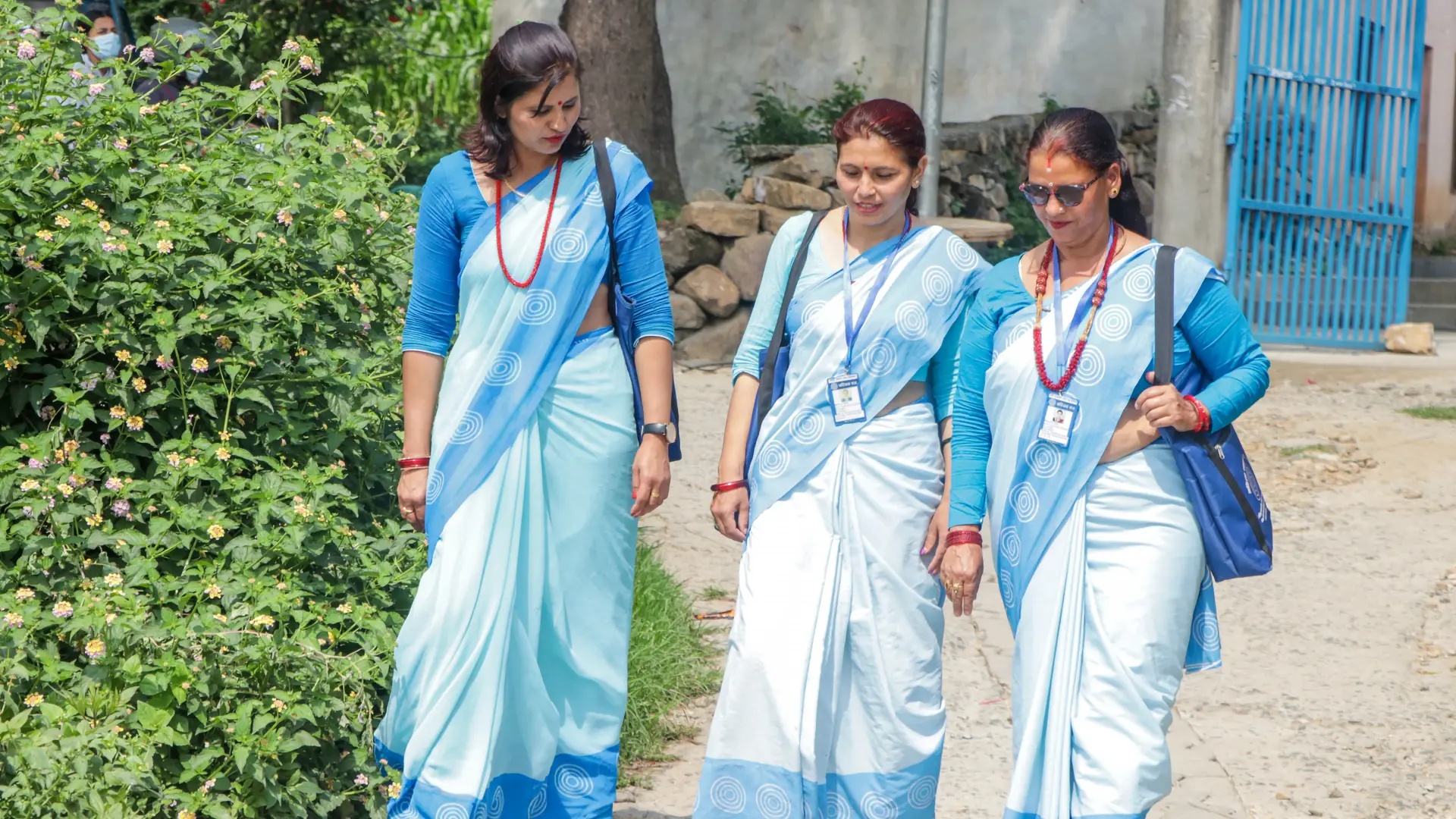
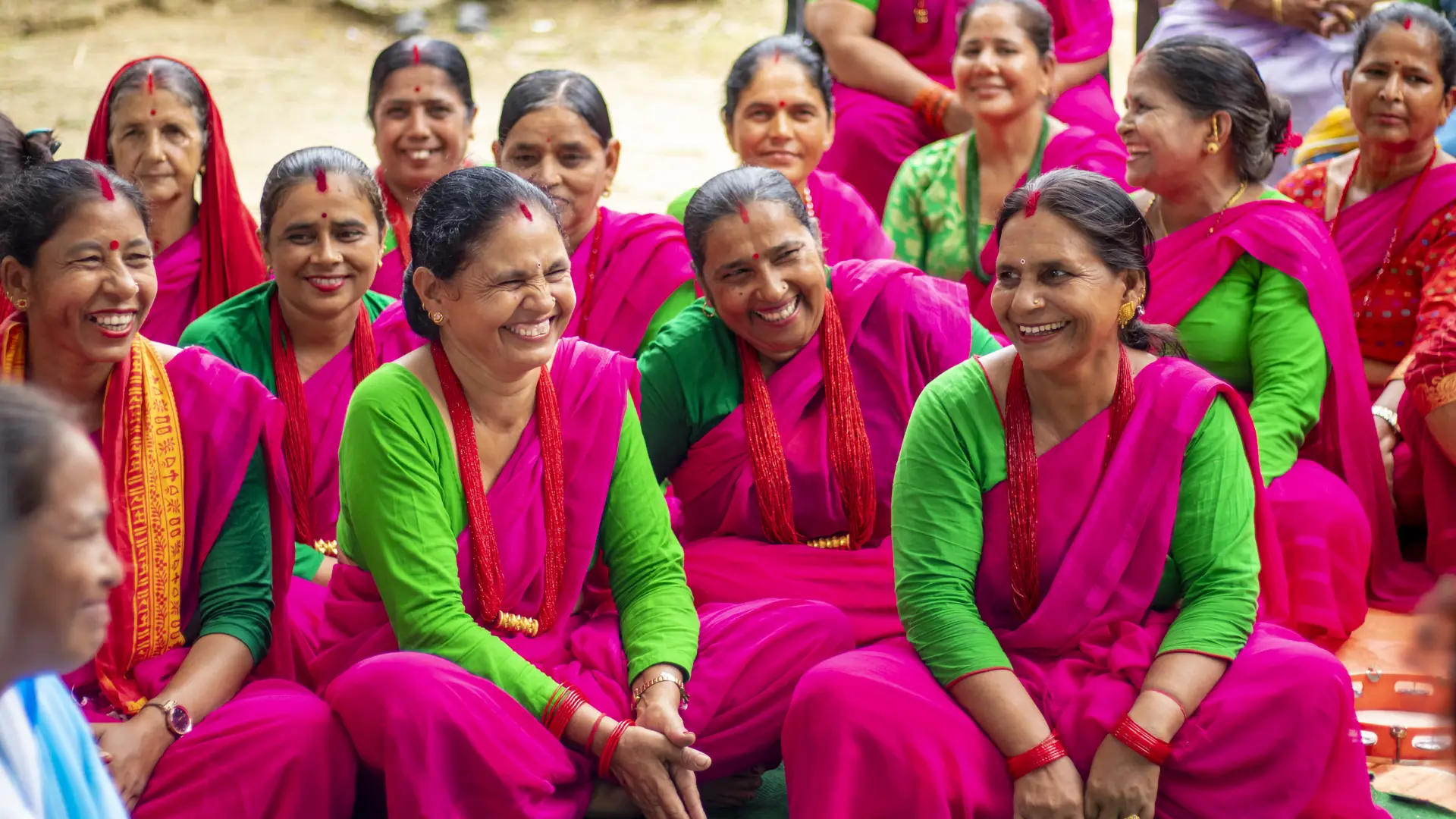
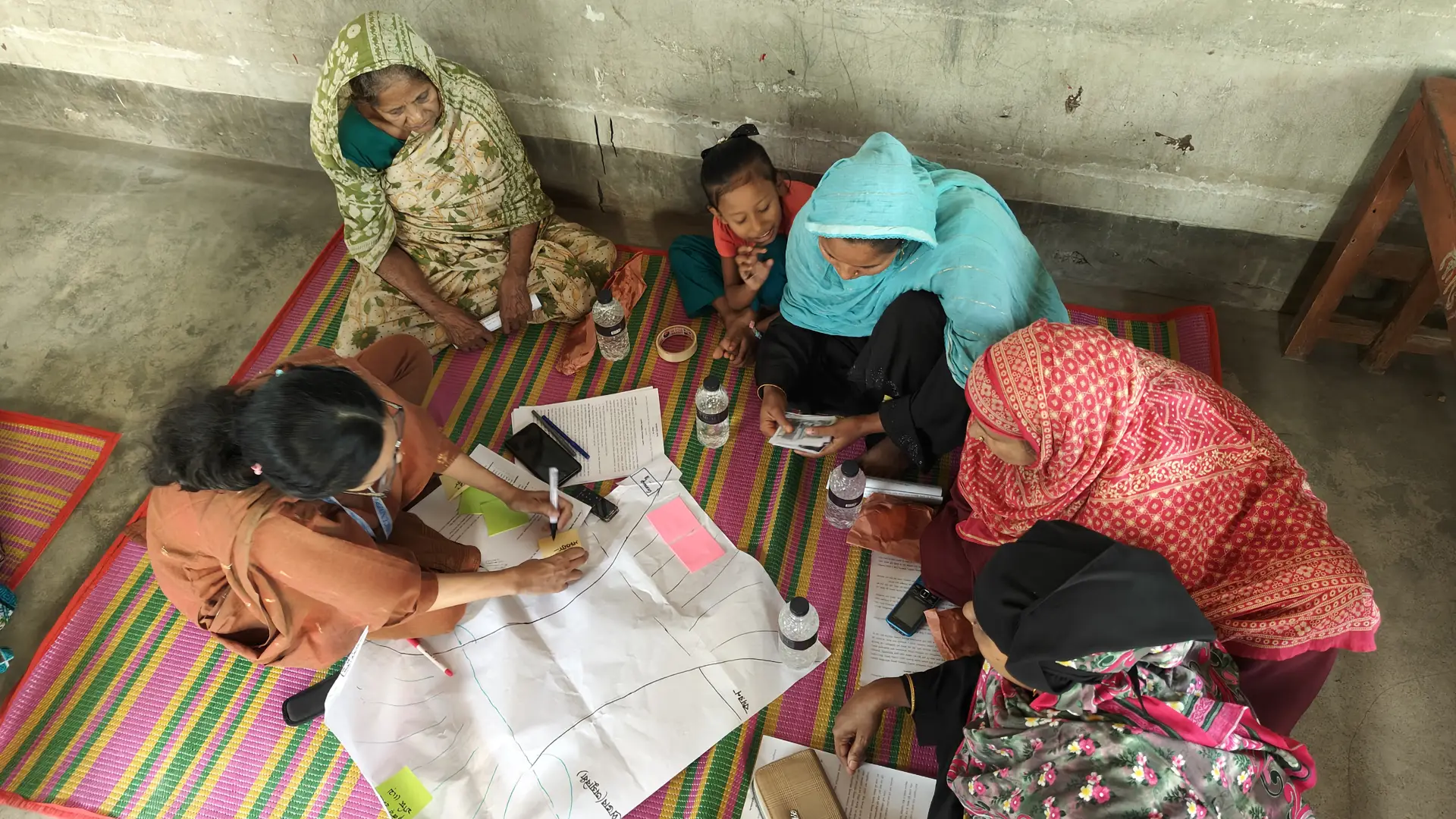
In 2020, 13 countries and territories were classified as extremely fragile by the OECD, with 44 fragile. By 2025, 18 countries were classified as extremely fragile (OECD, 2025). So, resilience capacities are more relevant than ever. Our research focused on learning sites in local health systems in Lebanon, Myanmar, Nepal and Sierra Leone. This work was accompanied by a wide range of thematic studies. We have worked with communities, health staff and managers, stakeholders in other sectors, as well as national, regional and global bodies. Our focus was on collaboratively identifying ways to build relationships and better use existing resources in the interests of more equitable and sustained access to essential health care, despite the shock-prone environment.
This was not an easy assignment, but we have many gains and positive lessons to share, a snapshot of which is captured in this site, with many, more detailed products to explore on our main website.
Individual resilience
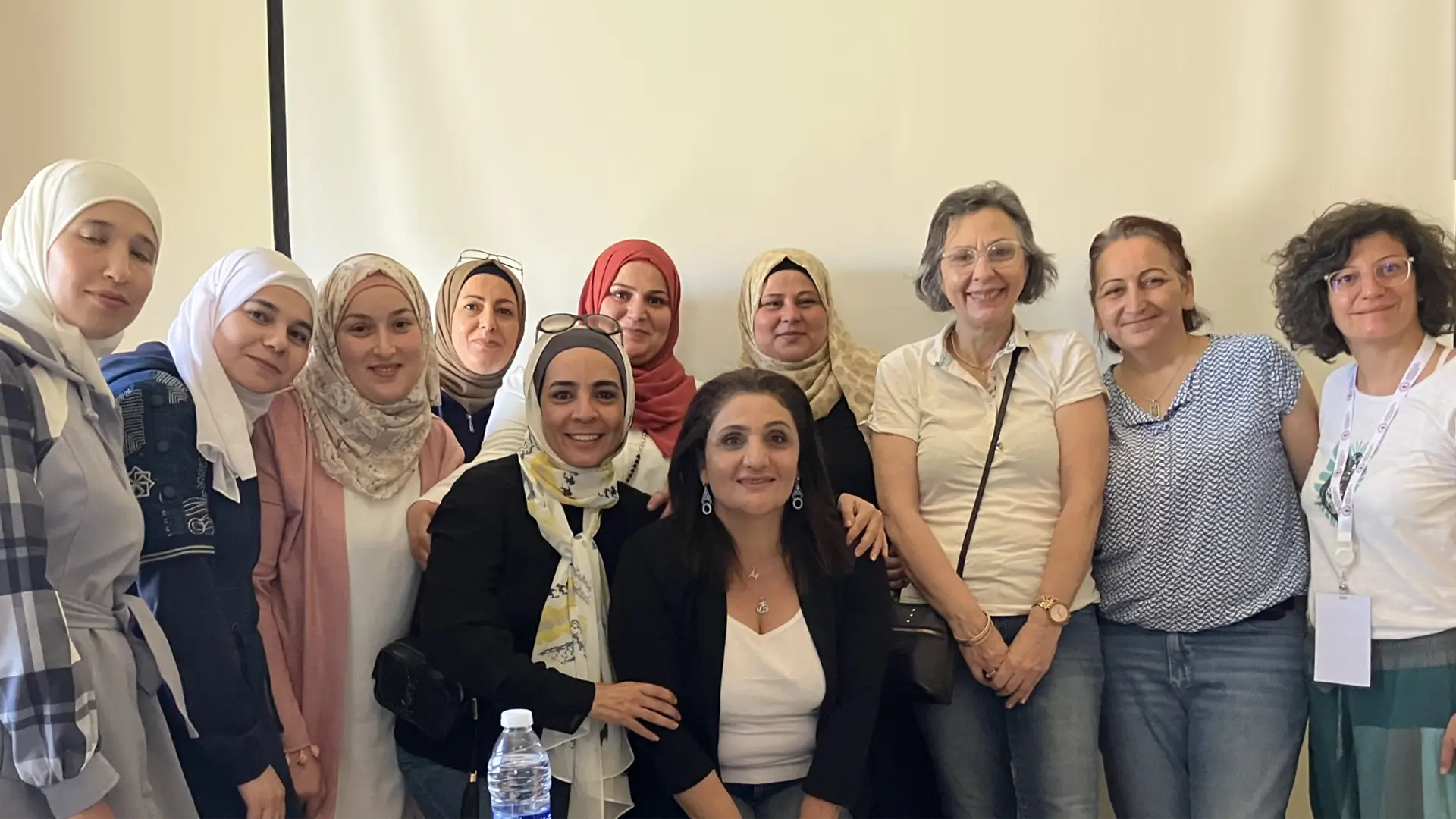
We are really proud of the resilience that we have contributed to building in local health systems. But we also commend the resilience that the consortium itself has shown – especially by partners, researchers, health staff and communities working and living in environments where active threats and conflict are occurring. Their commitment and courage to keep working, learning and sharing has been amazing.
We would also like to acknowledge and thank our funder, the UK’s Foreign, Commonwealth and Development Office, for its financial and technical support.
Key resources