
Dr Kyu Kyu Than of the Burnet Institute Myanmar talks about ReBUILD’s work on disability
Achievements, impact and legacy
The Working Women group in Lebanon provided informal refugee women workers with essential skills and knowledge, boosting their self-confidence and networks and fostering their transformation into social activists.
In Myanmar, organisations for persons with disabilities have been trained in research and data collection techniques. This allowed them to collect data of their own and conduct analysis on the needs of their members.
ReBUILD research has produced a wide range of outputs born of creative methods. These include films, collage, animations and a colouring book. These have been at the cutting edge of new methodologies in health systems research.
While there is an increasing acceptance of the role of gender norms, power and relationships in the effective functioning of health systems, the evidence-base for this work is scanty. We know little about how gender and other structural forces – such as class, dis(ability), race, ethnicity, nationality and religion – shape health systems’ resilience. Also, the study of gender, equity and justice forged after the Second World War is under attack, with the rise of far-right governments around the world banning work on diversity, equity and inclusion and cutting funding in this area, creating evidence gaps, shocks and insecurity.
While norms such as human rights have long shaped researchers’ incentives for improving health, there is much to explore in how a justice lens can elicit new ways of seeing seemingly intractable challenges and acting in solidarity. ReBUILD undertook gender-focused research and aimed to mainstream a focus on gender, equity and justice throughout its work. Our participatory action research introduced new interventions in Nepal and Lebanon.
POSTCAST:
This podcast covers the impact of gender dynamics on health systems during crises like the COVID-19 pandemic and armed conflicts, emphasising community-led, participatory approaches to promote gender equality and resilience in health systems.
Key studies
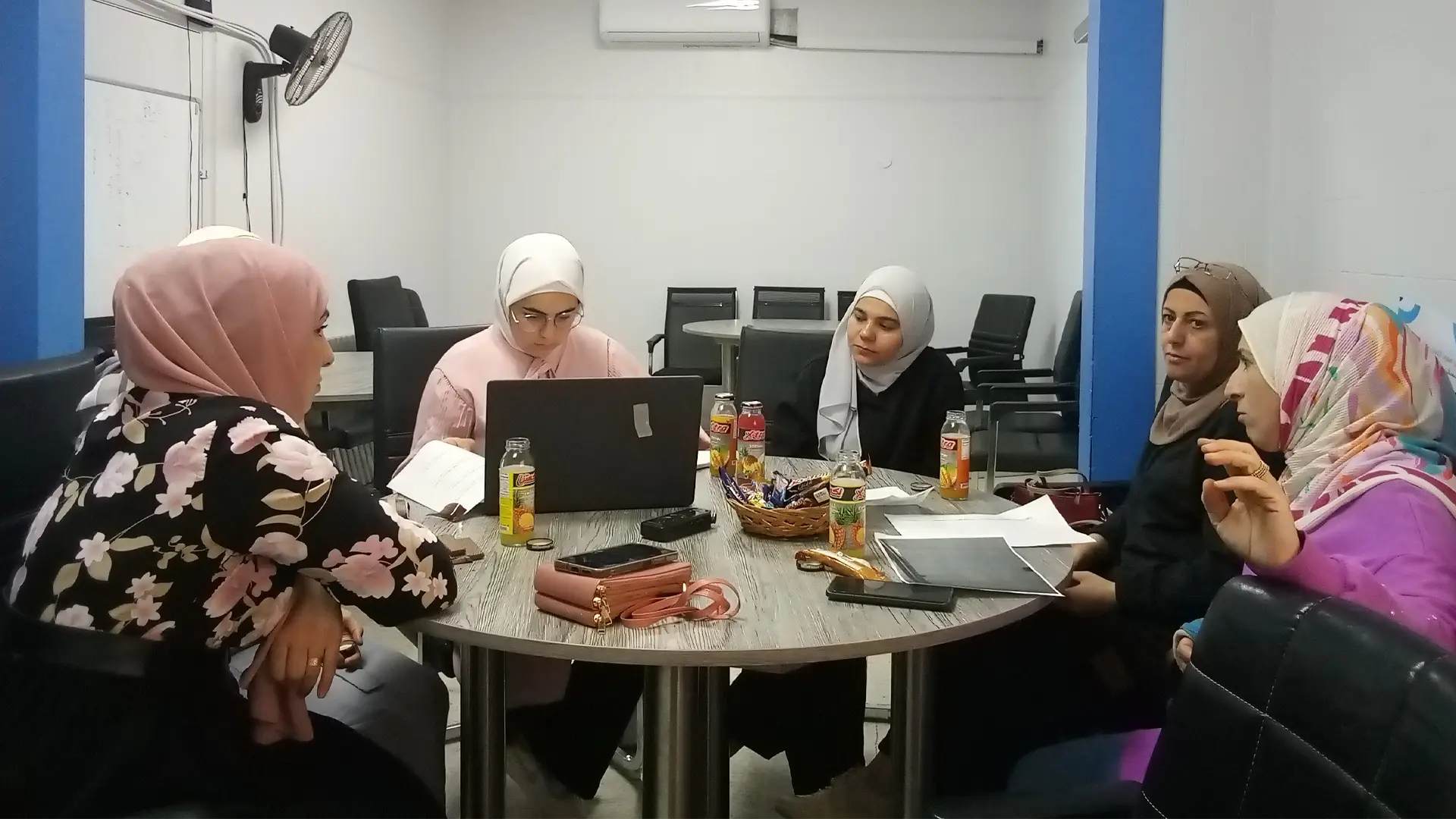
We conducted research in Lebanon, Nepal, Myanmar and Sierra Leone. The COVID-19-associated lockdowns and school closures brought additional stresses, with a gendered division of labour at work and home acutely felt by women. Their work is poorly or not remunerated and is seen as risky.
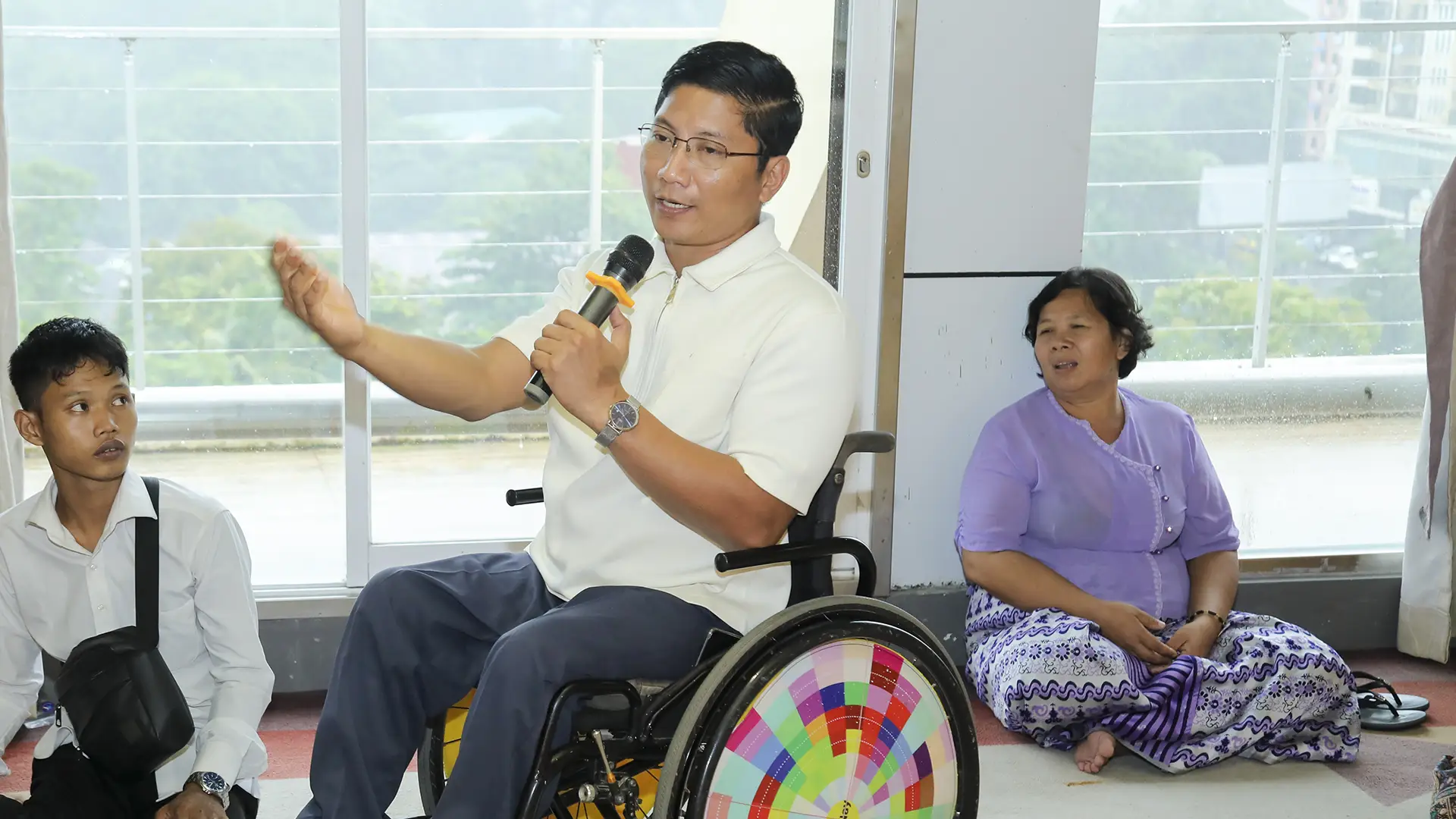
This work aimed to examine the barriers that people with disabilities face in accessing the health system in Myanmar, co-designing interventions to make the system more holistic.
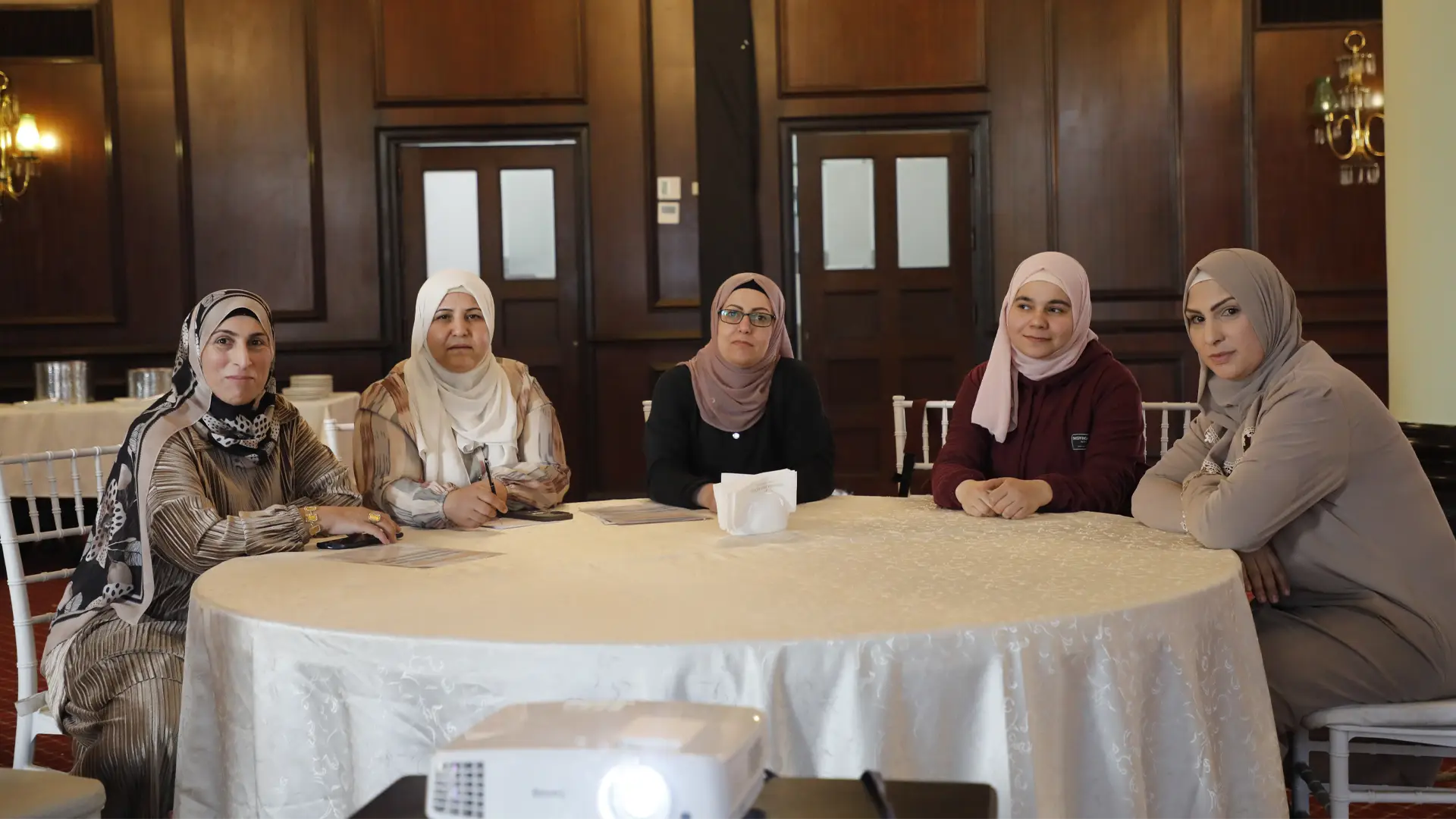
Participatory action research was used to support female community health workers to address gender norms and power relations within their communities and health systems, and to co-develop low-cost interventions to support them.
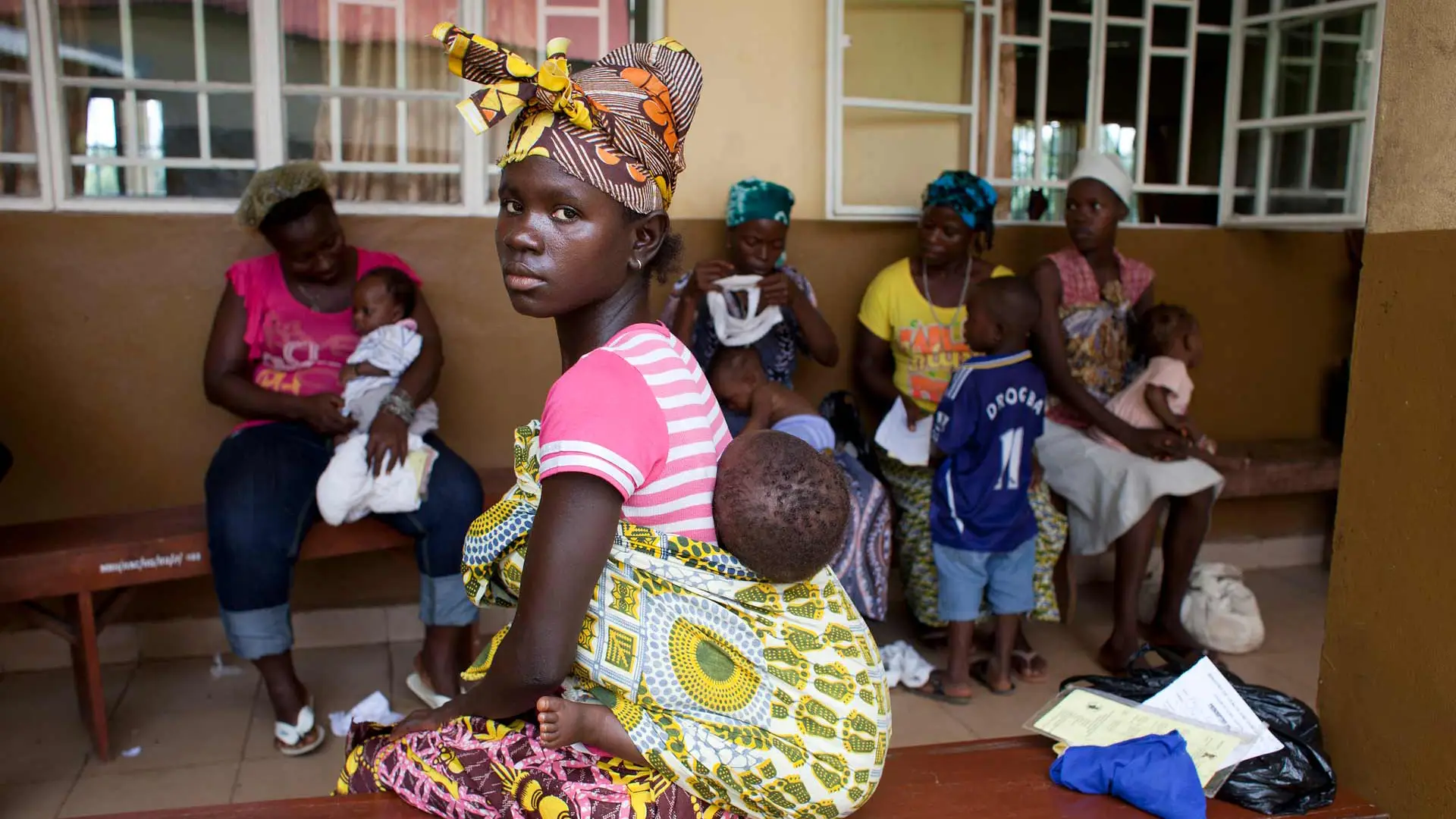
Qualitative research using a multisite ethnographic methodology found that the desire for better population health was a great motivator to implement policy, however, complex institutional arrangements at the Ministry of Health and Sanitation and a lack of resources negatively impacted implementation.
(Image: H6 Partners & Abbie Trayler-Smith via Flickr)
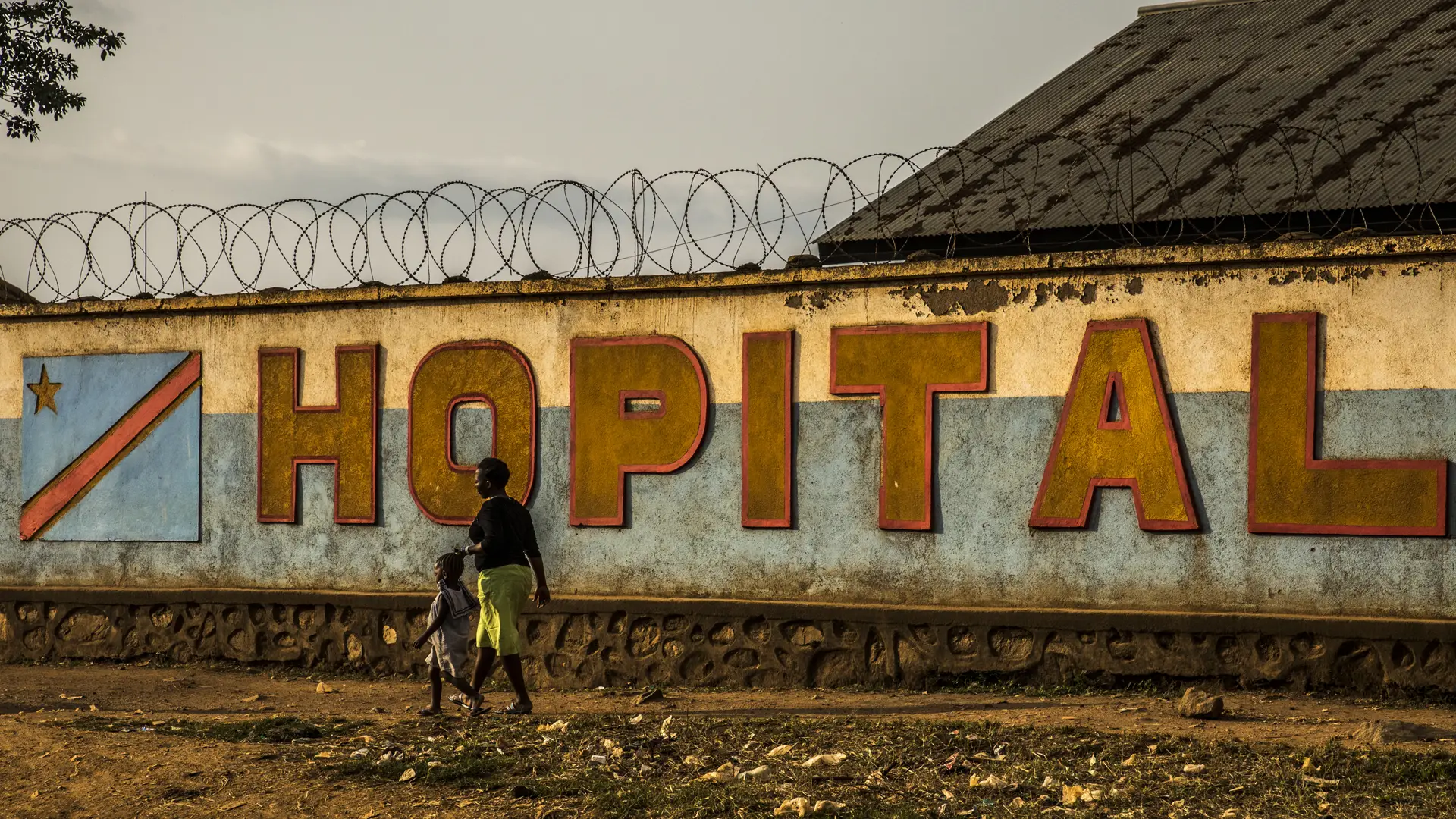
This study examined decision-making dynamics around adaptations to the Minimum Initial Service Package for Reproductive Health in Emergencies in North Kivu. It found that sexual and reproductive health was only prioritised to a limited extent during COVID-19. There was little longer-term strengthening of the health system as a result of learning from the pandemic, aside from increased capacity of healthcare providers to manage infection prevention and control measures, without adequate resources to do so.
(Image: World Bank Photo Collection via Flickr)
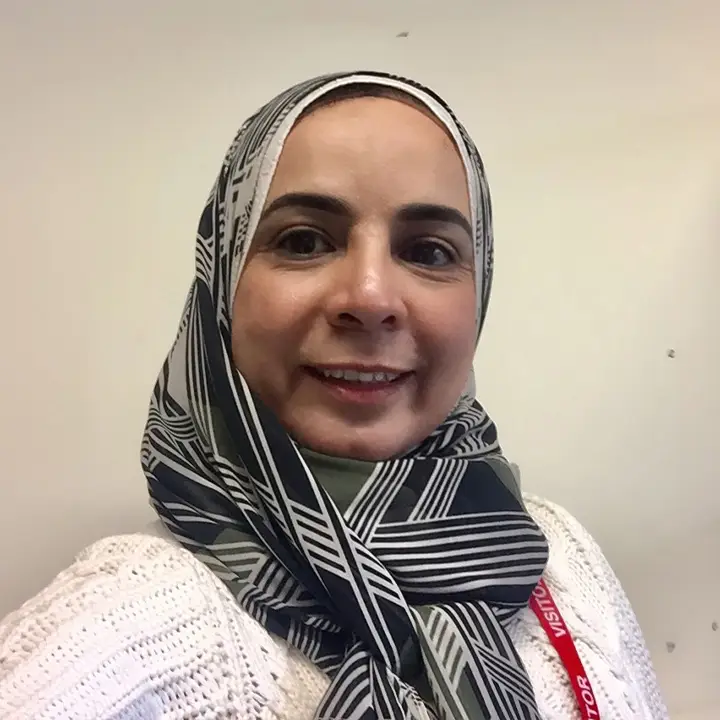
“By leading ReBUILD’s Gender, Equity, and Justice Working Group, I supported efforts to embed these principles as core components of health systems resilience. Through engagement with national and local stakeholders, we worked to ensure that issues of decolonisation, inclusion, structural inequities, and power dynamics remained visible and central in fragile settings.”
DR WESAM MANSOUR, LIVERPOOL SCHOOL OF TROPICAL MEDICINE
Key resources