
Susan Sparkes, Health Financing Policy Team, WHO Geneva talks about our work on the political economy of health financing reform
Achievements, impact and legacy
ReBUILD demonstrated how shocks can be used to galvanise universal health reforms if used strategically.
Our work with the World Health Organization (WHO) explained how political economy thinking can be used in the adoption and implementation of reforms.
ReBUILD provided evidence on the need for reform of global health initiatives and aid and their interactions with national health systems to ensure greater ownership and alignment.
Our research brought a fragile states lens to current assessments of how aid reductions are affecting health systems.
We published on the importance of incorporating gender analysis into health financing design.
The global aid landscape is experiencing unprecedented volatility. Funding has been cut, abruptly, with devastating consequences for health systems and communities across low- and middle-income countries, particularly aid-dependent fragile settings. These disruptions have spurred critical conversations on domestic resource mobilisation and sustainable financing for essential health services and health systems.
ReBUILD collected insights from focus countries on the impact and management of aid cuts at national (and local) levels. We also explored the critical, overlooked, and underutilised value of diaspora and their contributions to health systems. Alongside this, we analysed public financial management bottlenecks in fragile settings and continued to influence health financing policy in fragile and shock-prone settings, including Syria.
At the global level, our researchers have a long history of working on both political economy analysis and the role of global health initiatives. These have been brought together to generate new knowledge and guidance.
PODCAST:
Guests discuss how different governance challenges, external actors, and political landscapes shape health financing.
Key studies
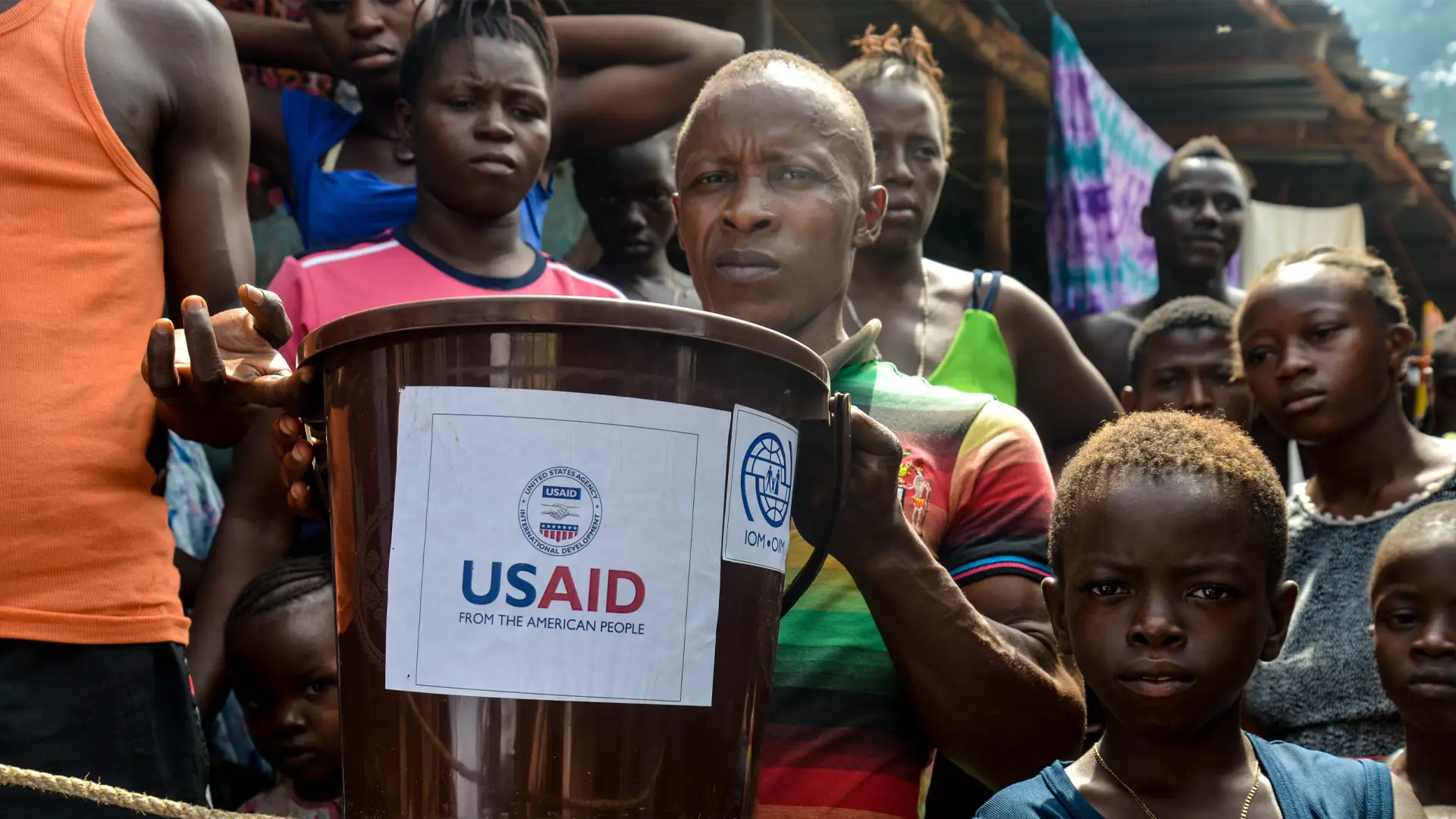
Case studies in four countries (Sierra Leone, Lebanon, Nepal and Somalia) documented the impact of aid reductions, but also the extent to which countries are able to absorb and adapt in response.
(Image: © Paloma Clohossey / USAID / OFDA 2015. Via Flickr)
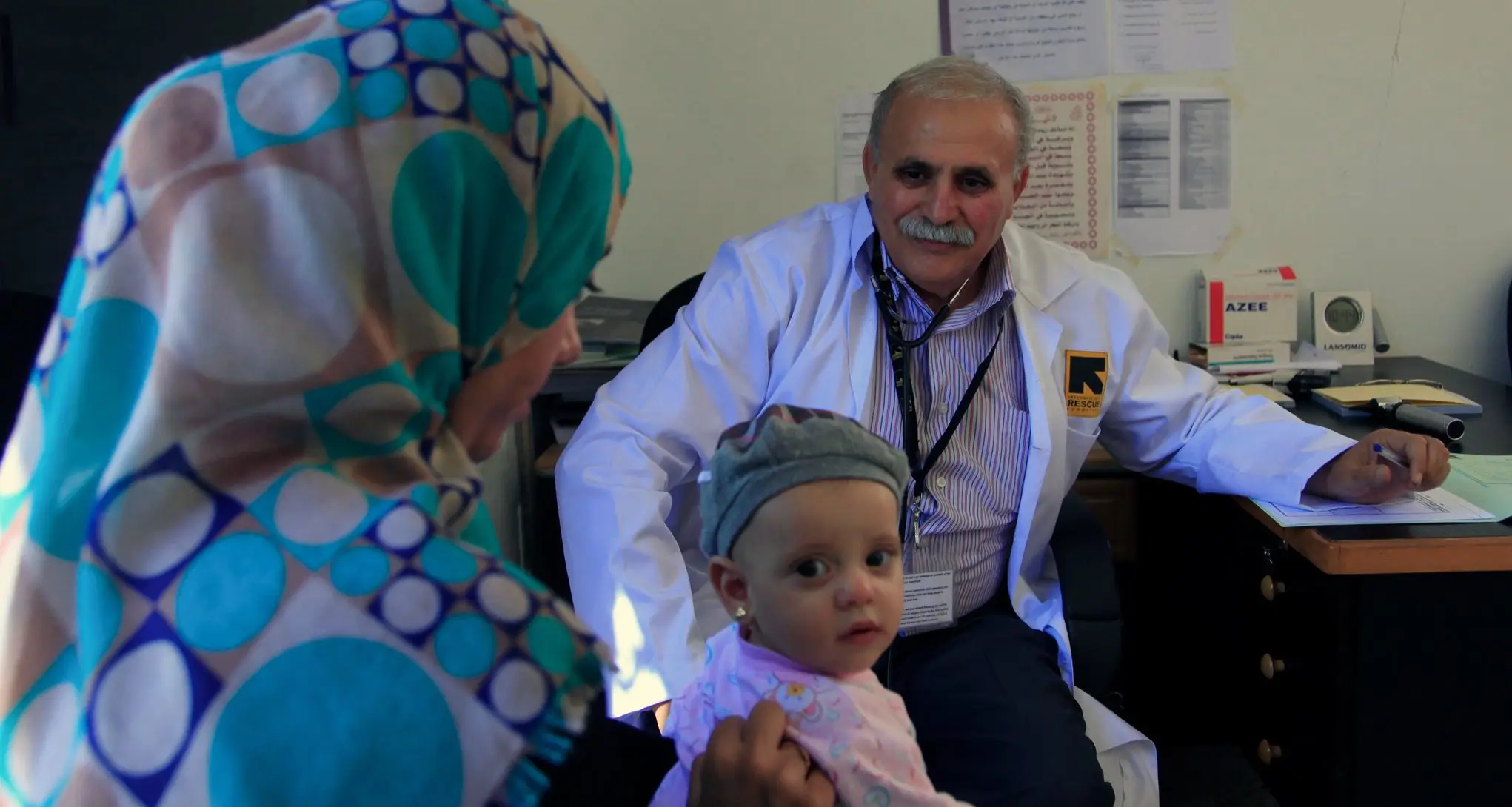
As Syrian households face rising out‑of‑pocket costs and constrained access to subsidised care, the growing reliance on private services highlights urgent questions around affordability, accountability, and financial protection.
(Image: DfID via Flickr)

ReBUILD documented public finance management strengthening in the context of decentralisation in Nepal, and co-developed guidance. We also worked with the WHO on the importance of financial autonomy at primary care level, and the role of politics in budget reforms.

The global aid landscape is experiencing unprecedented volatility, with devastating consequences for health systems and communities, particularly in aid-dependent fragile settings. This study considered the critical and overlooked, value of diaspora and their financial, human, and social capital contributions to health systems resilience and how these can be used more effectively in fragile settings.
(Image: imaginima via iStock)
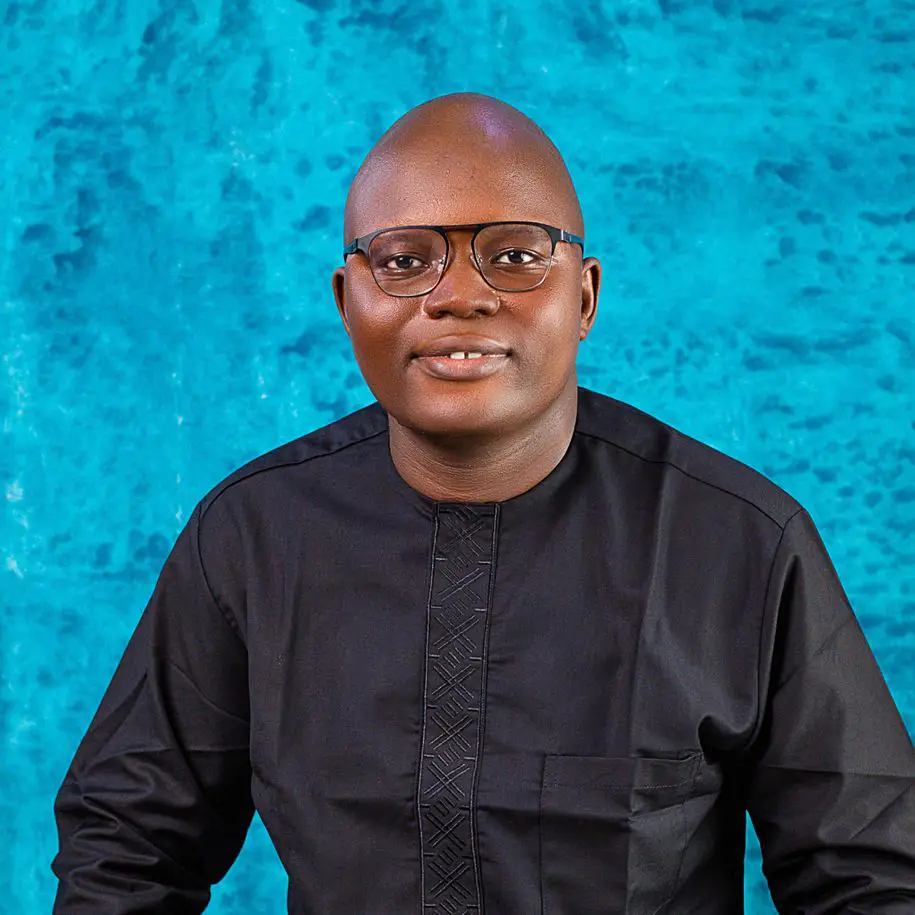
“I was deeply moved to contribute to ReBUILD’s research on aid cuts in Sierra Leone, uncovering how reductions in development assistance for health threaten fragile gains in the health sector. This work has been pivotal in advocating for resilient health systems, inspiring me to push for sustainable funding solutions at the local and national levels.”
AUGUSTUS OSBORNE, INSTITUTE FOR DEVELOPMENT, SIERRA LEONE
Key resources