
Dr Mohammad Meibar, Health Programme Manager, Multi Aid Programs, talks about the Municipal Health Committee in Lebanon
Achievements, impact and legacy
In Lebanon, a Municipal Health Committee has been legally established in Majdal Anjar under the Ministry of Interior, and the model has spread to other areas.
In our first learning site in Nepal, a multi-tier coordination forum was created to bring together federal and provincial governments and representatives from all local governments within Kapilvastu District.
In Sierra Leone, the establishment of local stakeholder groups demonstrated the power of community-driven health action and collaborative governance. Local practice, in relation to how information and evidence is shared and considered, as well as by whom, has changed.
Governance is key to health systems resilience, but fragile and shock-prone countries face barriers to good governance in relation to weak institutions, poor coordination, a complexity of stakeholders (including donors), low levels of trust, a lack of transparency, and insufficient financing. ReBUILD conducted synthesis work on governance and coordination in relation to COVID-19 and how countries are responding to shocks such as climate change.
In all of our learning sites, governance, including multisectoral coordination, was a central theme. In Lebanon, the focus was on strengthening local health governance. In Nepal, our learning site work brought together stakeholders from across different tiers of government to improve coordination at the municipal level and strengthening capacity. The Sierra Leone learning site also focused on improving collaboration between community and health leaders, aiming to improve health awareness and ensure community voices were heard in health planning. The role of non-state actors, including regulation of the for-profit private sector, is a key theme in our work.
PRESENTATION
The team at American University of Beirut talk about its work to support the creation of a new healthcare governance model managed by the Majdal Anjar Municipal Health Committee.
Key studies
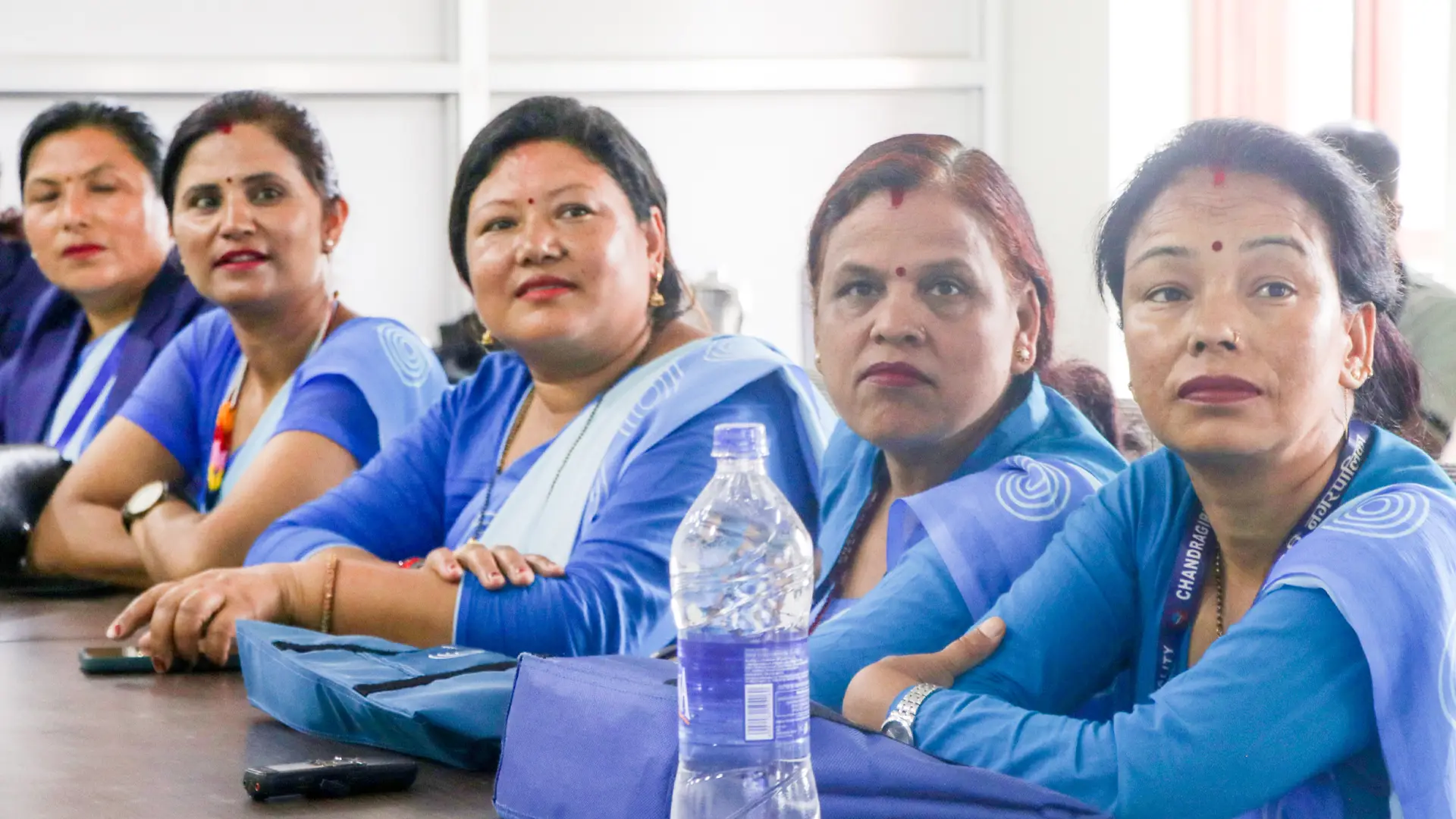
The absence of platforms to facilitate dialogue horizontally (among municipalities) and vertically (across tiers of government) limits opportunities to develop coordinated strategies, promote complementarity and support resource sharing in health care arrangements to strengthen local health systems. Learning site one focused on strengthening governance, community engagement, data use and multisectoral work. Learning site two focused more on community health systems but included this learning platform element.
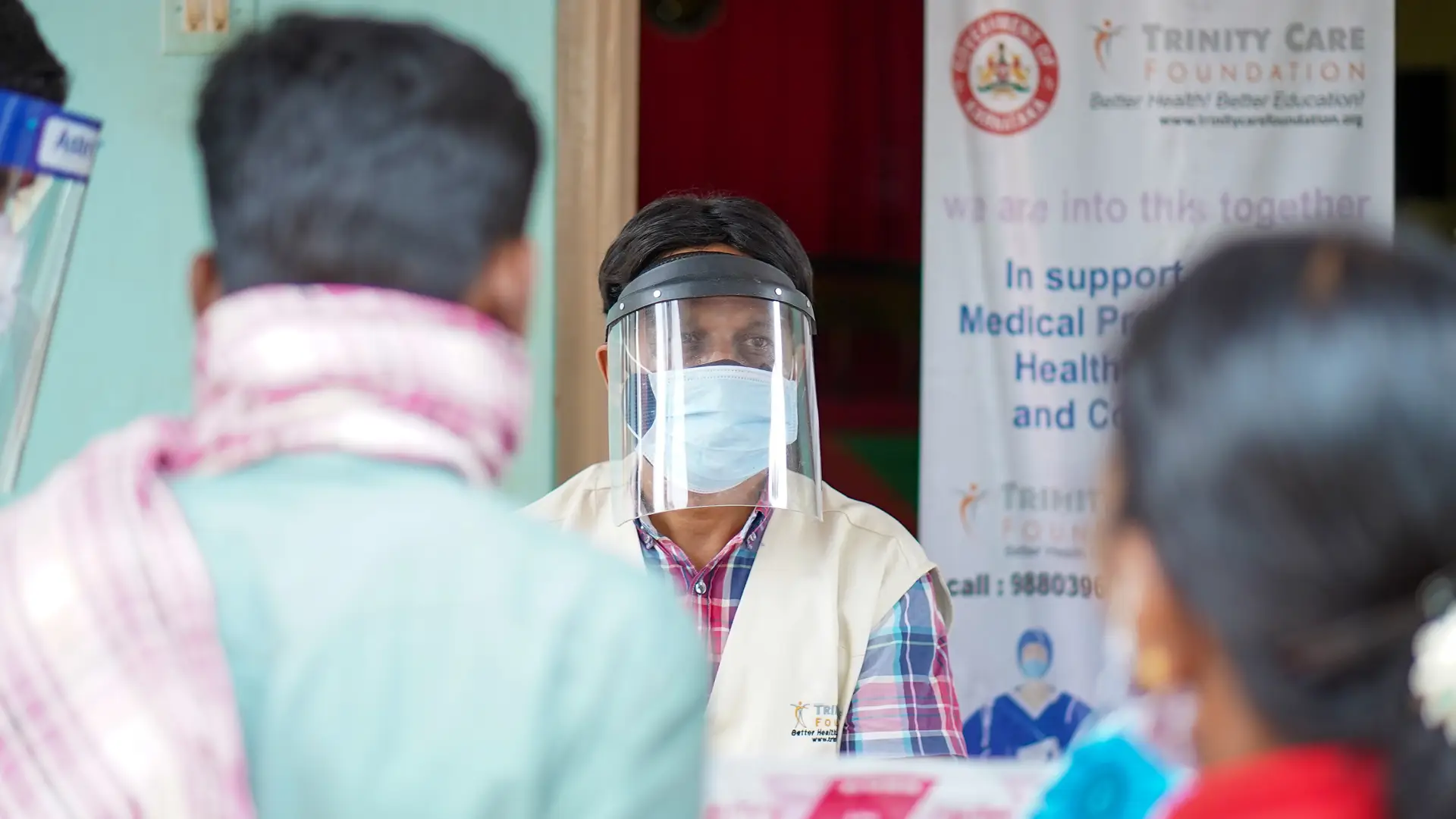
We identified five key issues for effective coordination and partnership: the availability of functional coordination structures, inclusivity of membership for example gender equity, capacity in coordination partners including on a technical and political level and political leadership and incentives.
(Image: Trinity Care Foundation via Flickr)
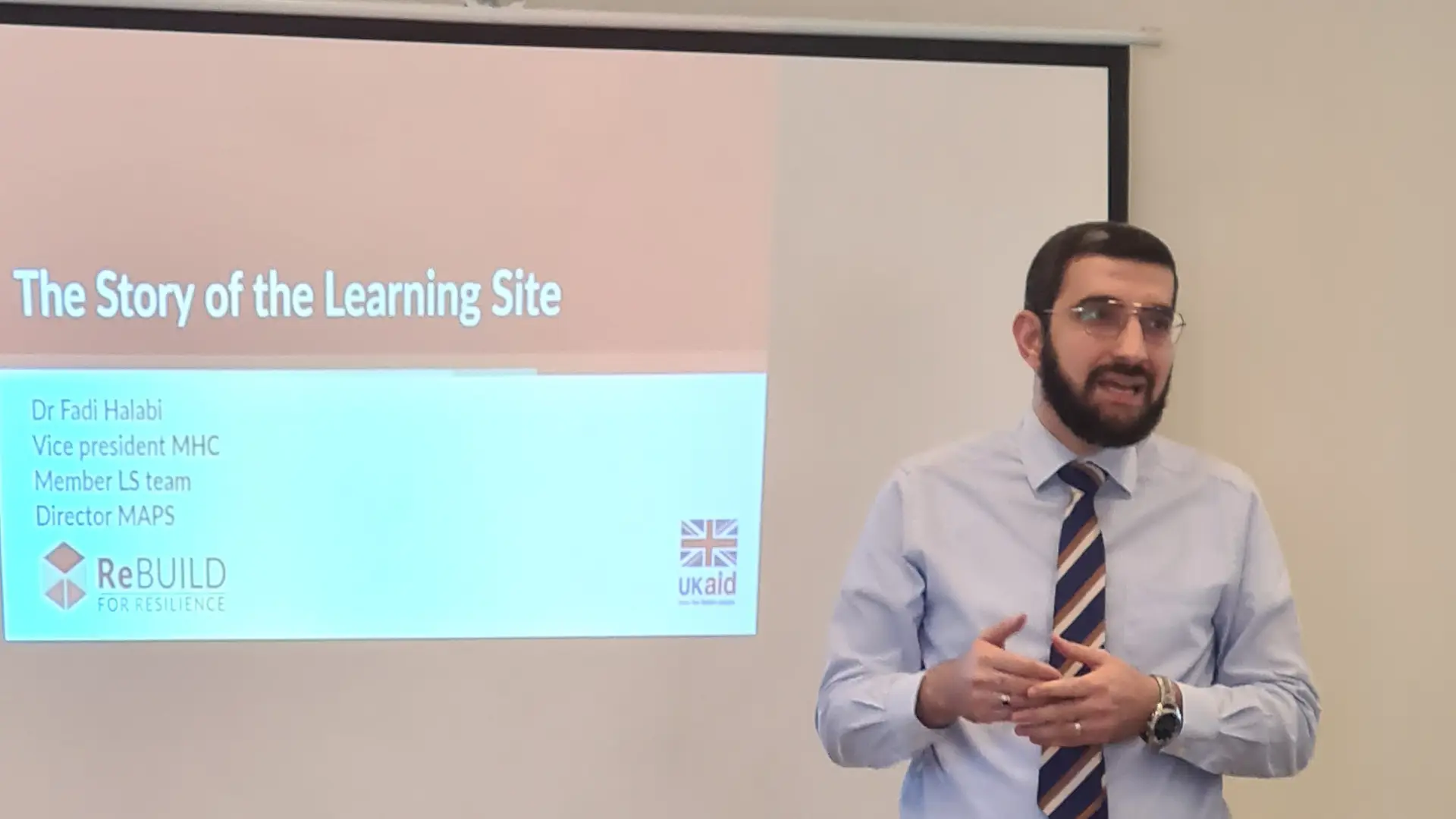
Through Participatory Action Research, a Municipal Health Committee was established, comprising representatives from the Lebanese, Palestinian, and Syrian communities, as well as local health professionals. It prioritises equitable access to healthcare for all residents, regardless of nationality or legal status. Its vision emphasises the right to health – currently absent from Lebanon’s constitution – and advocates a new model of healthcare that serves both refugees and local populations.
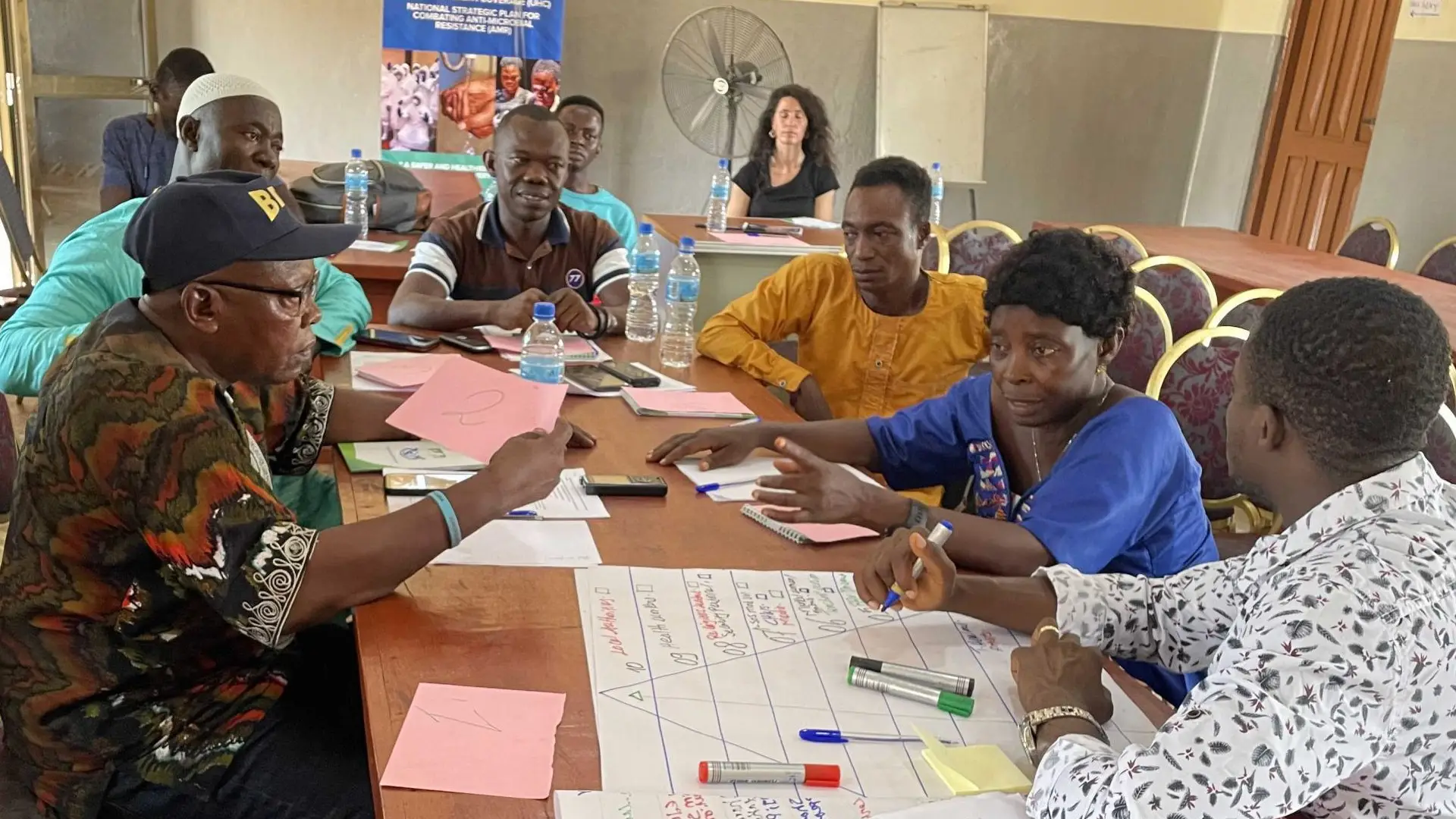
The learning site study followed participatory action research principles and methodologies, mapping key leaders and their power dynamics within the community and health system. Systemic barriers to community leader engagement in public health emergencies were identified. Co-created action agendas led to a novel radio intervention and improved coordination, prioritisation and implementation of work on sanitation, maternal health and drug use.
“In ReBUILD, health justice became a practical commitment: we tried to make power, politics and trade-offs visible in the small decisions that shape who gets heard and who gets left behind. By working together through participatory action, political economy thinking, and embedded learning, we wanted community experience to shape evidence, and evidence to shape decisions toward fairer, more accountable change.”
GIULIA LOFFREDA, WHO (PREVIOUSLY AT QUEEN MARGARET UNIVERSITY)
Key resources