
Professor Fouad Fouad speaks on health systems in limited statehood areas – stretching the boundaries of health governance
Achievements, impact and legacy
Working across civil society, government and donor convened initiatives, ReBUILD has helped create a more conducive policy environment to support resilient health systems.
In this time of massive displacement we need a new way of thinking about health systems. Global policy should shift from state-centric models and instead apply a “cross-border lens” that is sensitive to cross-border dynamics and areas of limited statehood and contested authority.
We found that national health systems face legal, financial, and capacity barriers in meeting displaced populations’ needs – restrictive laws, discretionary inclusion and underfunding often constrain access.
We found that health governance in displacement contexts is plural and fragmented. Non-state actors, diaspora networks and humanitarian agencies often act alongside or instead of governments.
Our studies also found that community-led innovations, eg refugee-run clinics, informal insurance schemes, and local provider networks fill gaps but remain precarious without funding or recognition – this needs to change.
Flexible financing, workforce recognition, and regional data systems are central to building health system resilience for displaced populations.
Forced displacement today is neither temporary nor peripheral – it is a defining feature of our era, driven by conflicts, climate shocks, and political instability. In 2025, UNHCR estimated there were 122 million forcibly displaced people globally, many of whom are in fragile or conflict-affected settings. Host and origin country health systems are severely strained, and global aid budgets are shrinking. Displaced people face profound health inequities, yet access to care is mainly dictated by their pattern of mobility and the borders they encounter.
ReBUILD has explored migrant health in Myanmar and Bangladesh and engaged in a range of global level special interest groups and policy processes, bringing local level learning to the international space.
PODCAST:
Guests discuss the intersection of migration, displacement, and health systems in fragile settings, considering the challenges and opportunities that migration presents to health systems.
Key studies
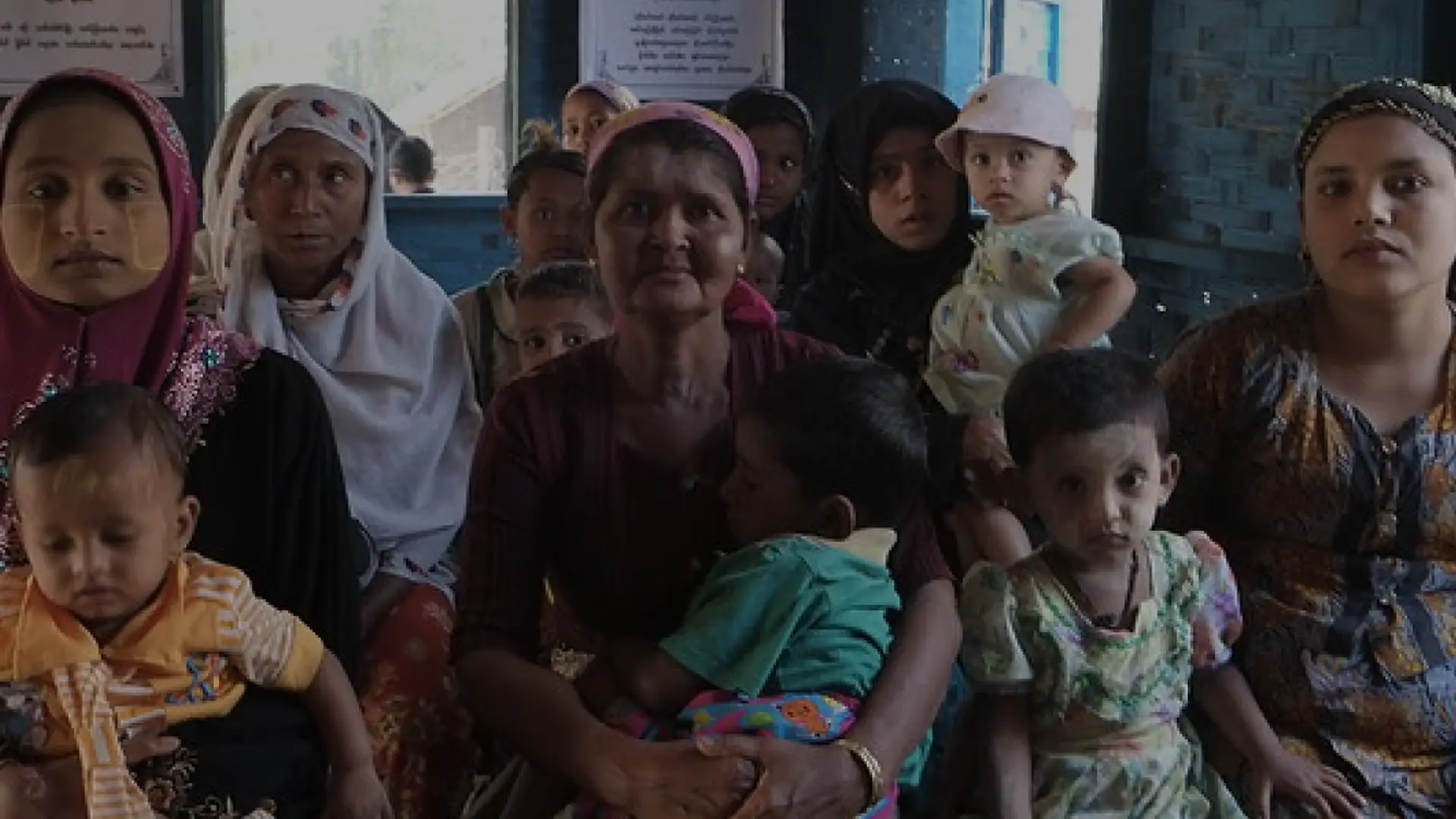
We explored how health systems operate in contexts where both internationally recognised borders and internal power lines shape the dynamics of health provision for displaced and mobile populations. Cases from Northwest Syria and Myanmar examine how health systems adapt across and beyond borders, and a new approach that recognises the roles of non-state and humanitarian actors is proposed.
(Image: © European Union ECHO Mallika Panorat via Flickr)
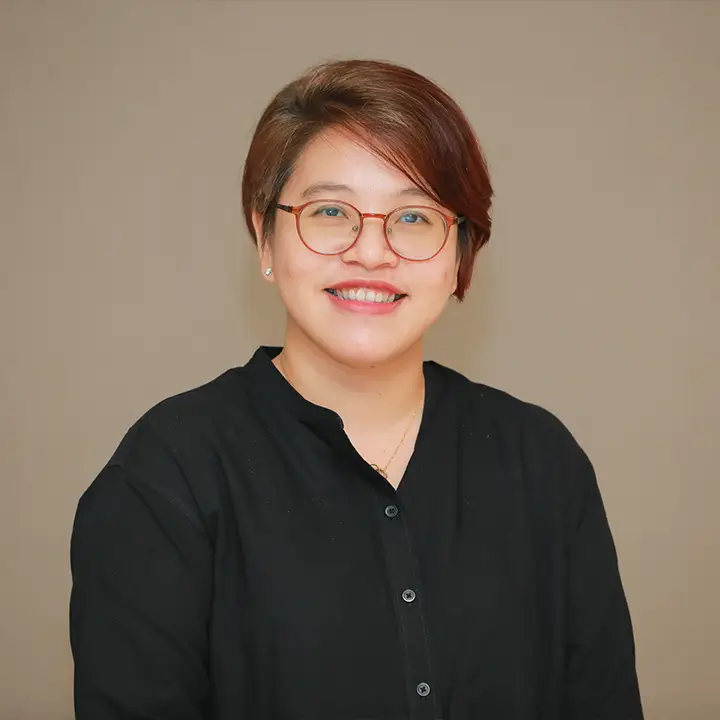
“Studying border health systems is a new and interesting area for me, since disease has no borders and collaboration between neighbouring health systems is critical. Border health systems are like a web, teaching me a lot about both formal and informal aspects of health systems.”
THAZIN LA, BURNET INSTITUTE, MYANMAR
Key resources