
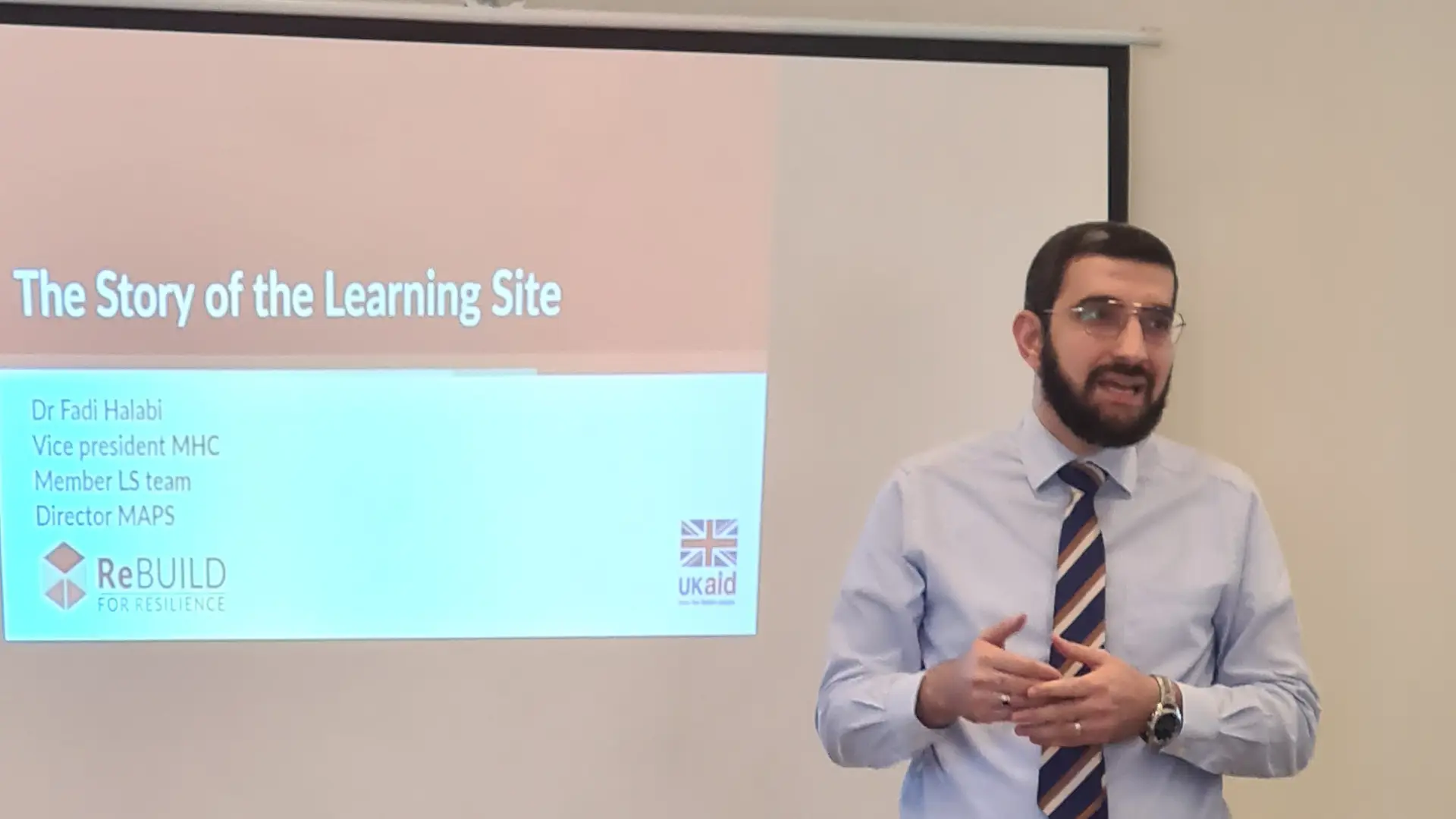
Dr Fadi of the Majdal Anjar Municipal health Committee explains their model
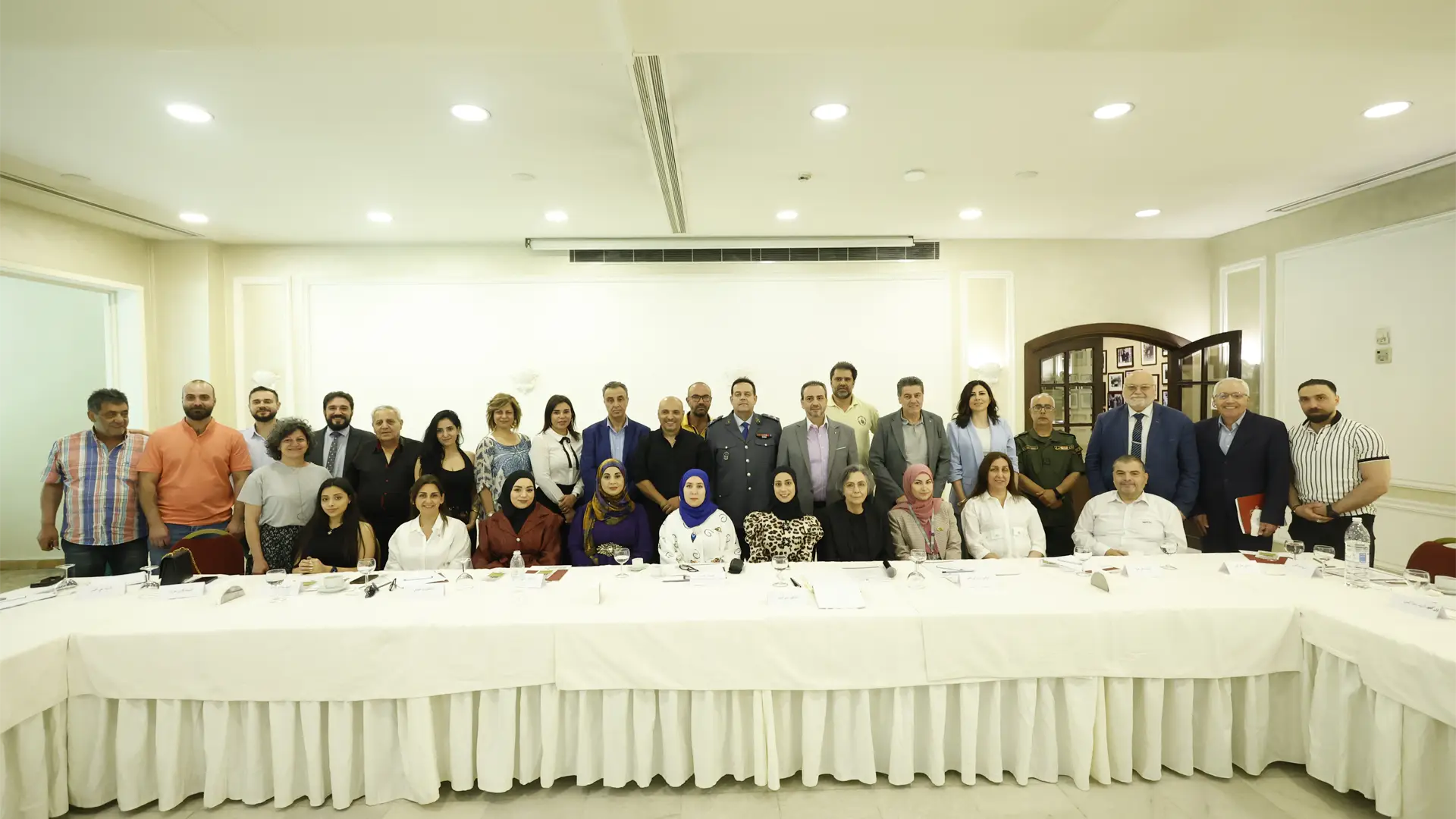
Majdal Anjar Municipal Health Committee
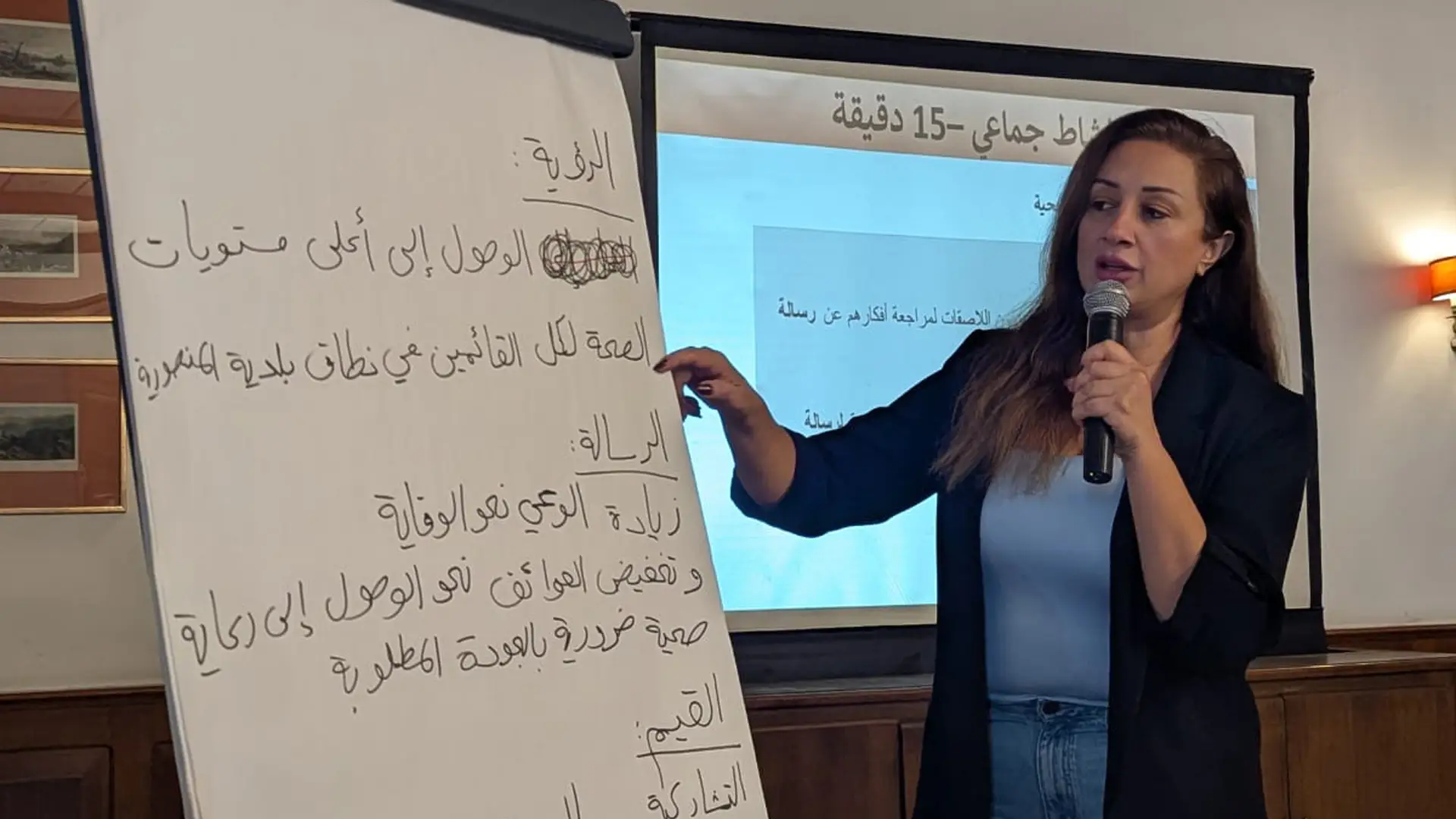
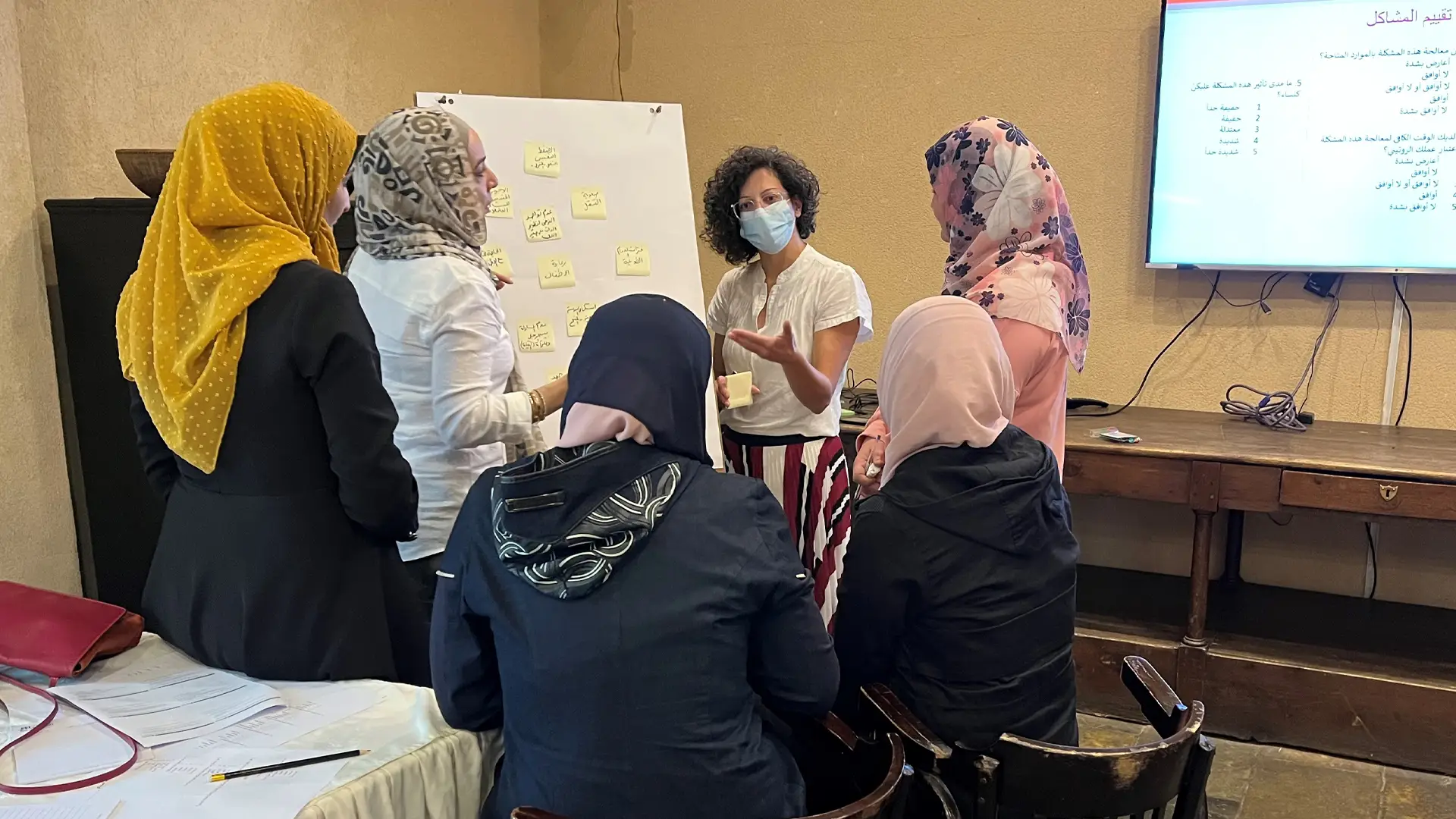
Planning workshop with health workers
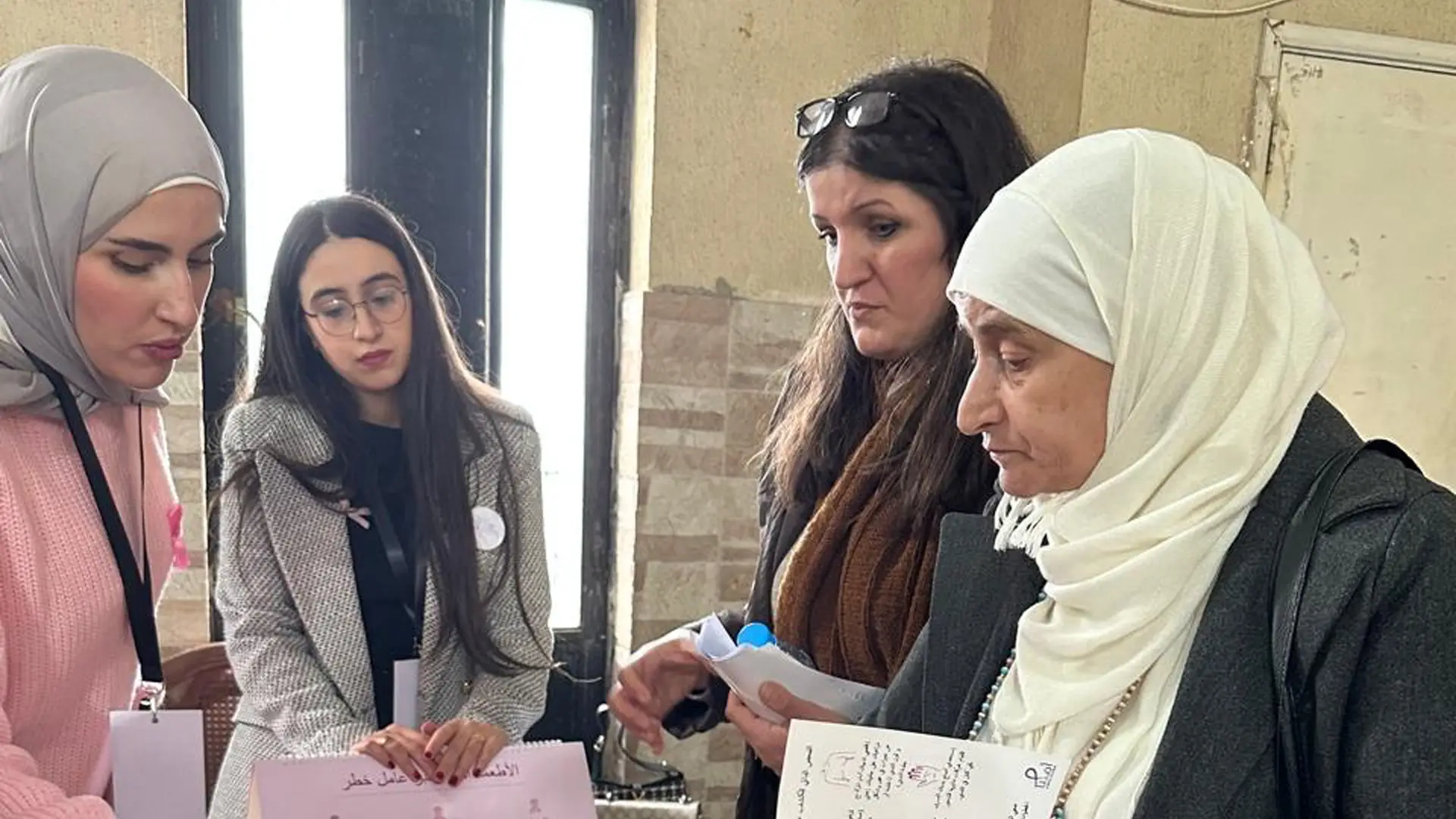
Municipal Health Cmt dissemination event, Lebanon
Our impact in Lebanon
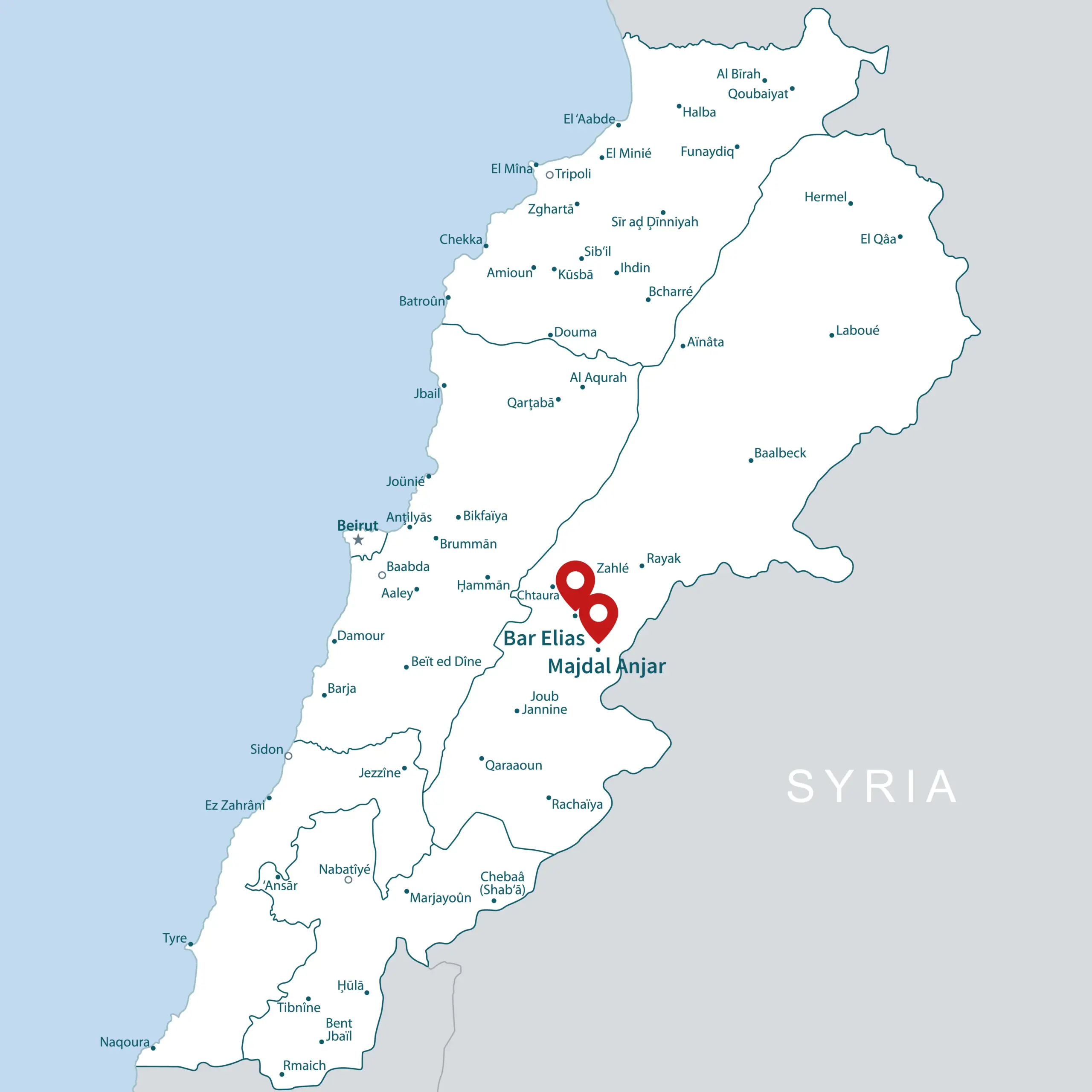
The creation of the Majdal Anjar Municipal Health Committee (MHC), enabling the Municipality to take charge of local health provision. Previously, there was no local healthcare governance structure. This model has been scaled up in other municipalities, including Ras El-Matn and Chehim.
The Majdal Anjar MHC co-developed and implemented a context-specific, evidence-based governance model to reach equitable access to essential healthcare and improved health outcomes.
The MHC developed an evidence-informed emergency response plan in early 2024 to respond to the war between Hezbollah and Israel along Lebanon’s southern border. In collaboration with NGOs they organised mobile clinics, enabled patients to access long-term care, and distributed bedding, hygiene kits, and food rations.
‘Working Women’, a community-led support group for employed women, recruited more than 200 members and established a cooperative childcare system. Awareness-raising highlights the challenges faced by women refugees in the healthcare sector, celebrates their contributions and advocates for rights and recognition.
Health Workers is a film developed with female refugee informal health workers in Lebanon’s Beqaa Valley who were involved in the participatory research
The context
Lebanon is a country reeling from a succession of crises – including COVID-19, the economic collapse, Israeli bombing, the Beirut explosion and continuing refugee challenges with the displacement of people from Syria and Palestine. Out-of-pocket spending on healthcare is very high, and services are offered by a range of parallel systems stewarded by government, the private sector, and refugee agencies. There is a complicated governance structure, and leadership and coordination structures are absent or weak at the central and decentralised levels.
ReBUILD’s research in Lebanon was conducted by the American University of Beirut, led by Professor Fouad Fouad and Professor Salim Adib. The team used a learning site approach in Majdal Anjar to explore local governance and the gendered experiences of female refugee informal health workers. That work is now being rolled out to other areas including Bar Elias. As part of multi-country teams, they contributed to the ReBUILD studies on aid cuts and the role of the diaspora on health systems resilience. They experimented with creative methods of research and communication, employing collage and filmmaking in their work.
Key studies
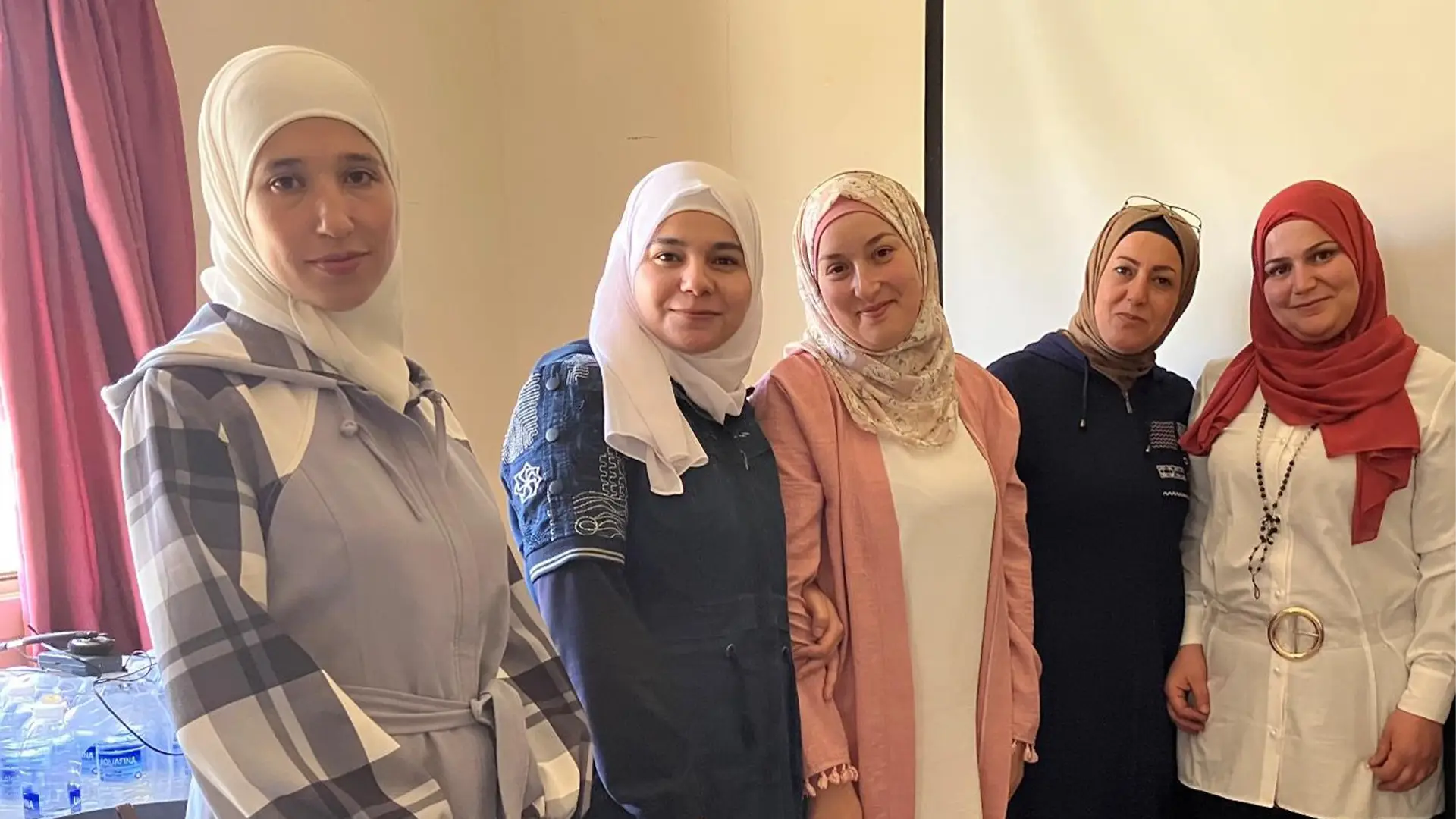
Involving working women in the leadership, design and implementation of research has raised awareness and skills among workers, enabling them to take collective steps towards realising their rights, such as through the provision of childcare to help address their double home-work burden.
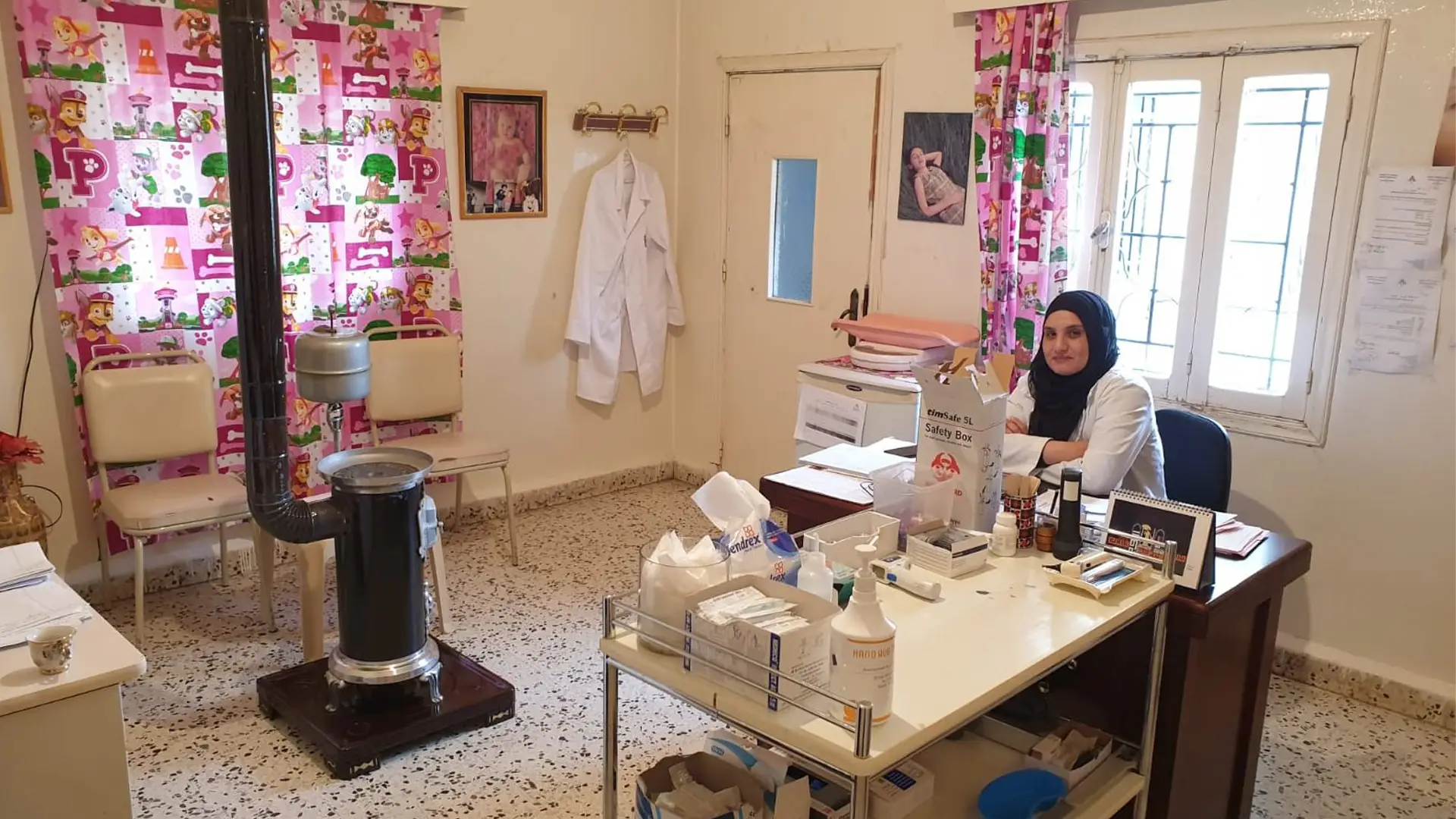
The Participatory Action Research process led to the development of a management model for Municipal Health Committees that can and has been replicated outside of the study site.
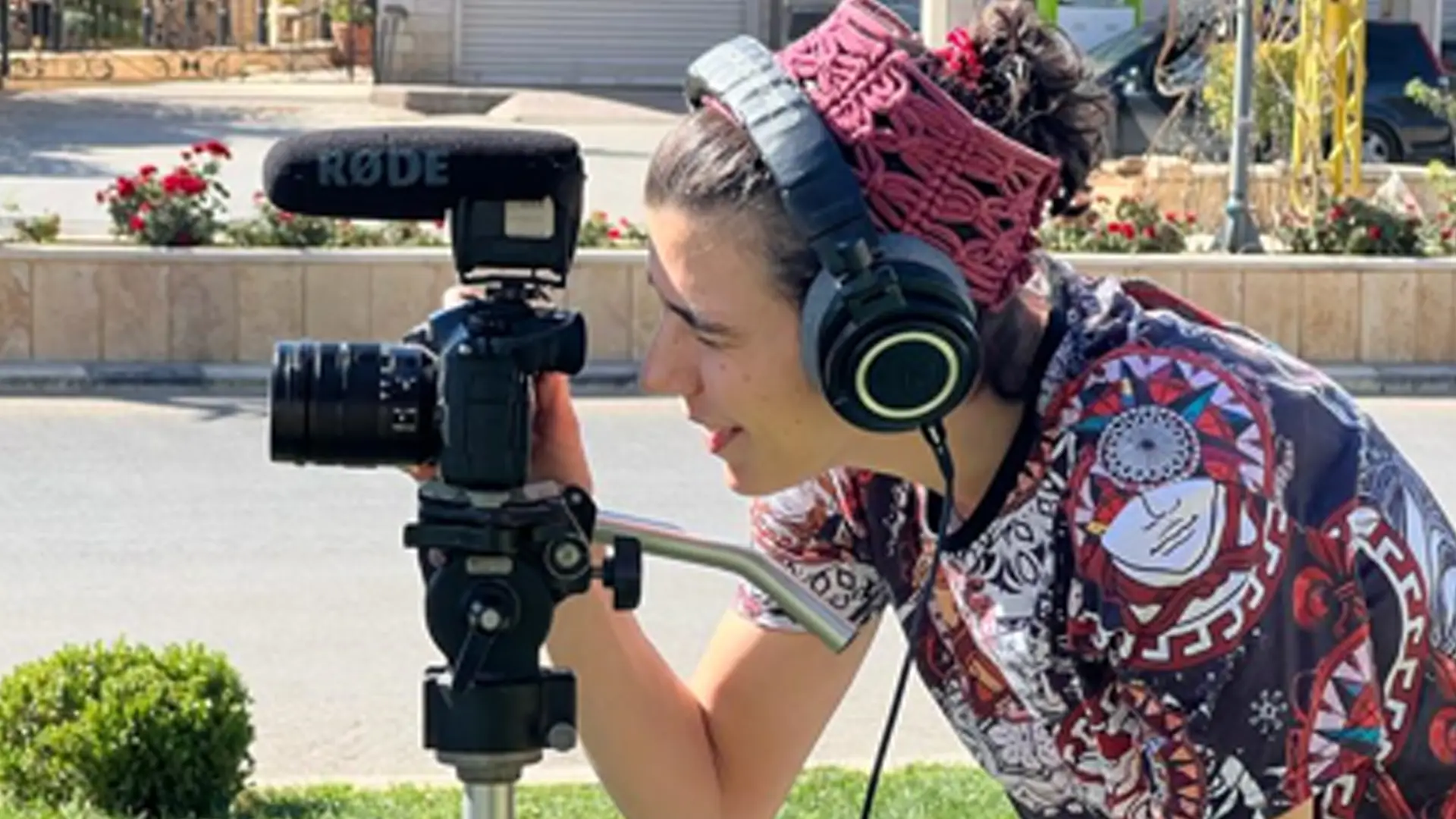
Creative methods and partnerships with artists have the potential to assist communities in telling their stories in a manner that does not flatten the emotional content and nuance.
More findings, studies and outputs from ReBUILD for Resilience partners American University of Beirut
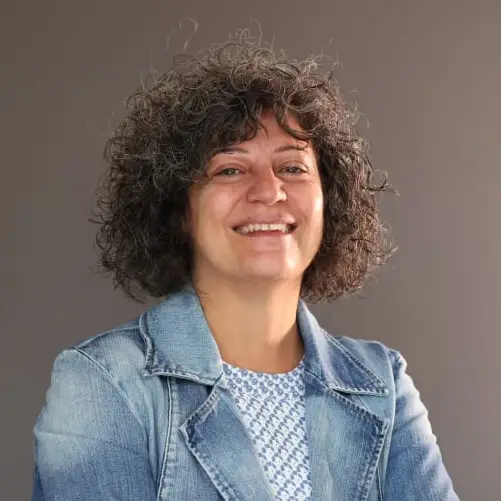
“Being part of ReBUILD as a member of the Early Career Researcher Group has been transformative for my professional growth as both a researcher and a leader. Through peer learning, mentorship from senior colleagues, co-facilitating capacity strengthening sessions, and opportunities to present at webinars, conferences, and trainings, I strengthened my technical expertise and leadership skills while gaining the confidence to co-lead research projects and engage in research uptake at national and global levels. What makes this experience especially powerful is its hands-on approach to learning and leadership, positioning us to contribute more effectively and strategically to health systems research.”
JOANNA KHALIL, AMERICAN UNIVERSITY OF BEIRUT, LEBANON
Key resources