
Shophika Regmi explains how participatory research and learning sites were used to study health system resilience in Nepal
Achievements, impact and legacy
ReBUILD has influenced how resilience is conceptualised as well as how health systems strengthening interventions are designed and tracked.
Learning sites were developed in Lebanon, Sierra Leone, Nepal and Myanmar and have reacted to a variety of shocks and emergencies, using evidence to guide action and decision-making.
Participatory Action Research led to community and local health systems interventions which have been evaluated. Creative and artistic methods - such as filmmaking, photo elicitation, community art, animation and collage - have augmented this work.
Toolkits on research capacity development, political economy analysis, gendered approaches, community engagement in Sierra Leone, and working with the media in Nepal have been developed to share learning.
Over the programme lifetime, 39 capacity strengthening sessions were held, 12 people were supported with external training, and informal mentoring and support were provided.
Our work is underpinned by a Resilience Framework, grounded in a view of health systems as complex adaptive systems. We used the framework to examine the capacities which underlie resilience and how these can be built to create responsive, effective, inclusive, gender-equitable and sustainable systems.
We delivered our programme using mixed methods, including learning sites to embed research and a small grants mechanism that enabled responsive research where needed. Learning sites are research platforms in a specific geographical area, where researchers and local actors collaborate over an extended period of time to develop contextually tailored interventions. In the learning sites we employed a range of participatory research methods to build capacity for action. Capacity strengthening, at the individual, institutional and systems levels, was central to the consortium approach and a key component of our research at the local level.
PODCAST:
Guests discuss how different governance challenges, external actors, and political landscapes shape health financing.
Key studies
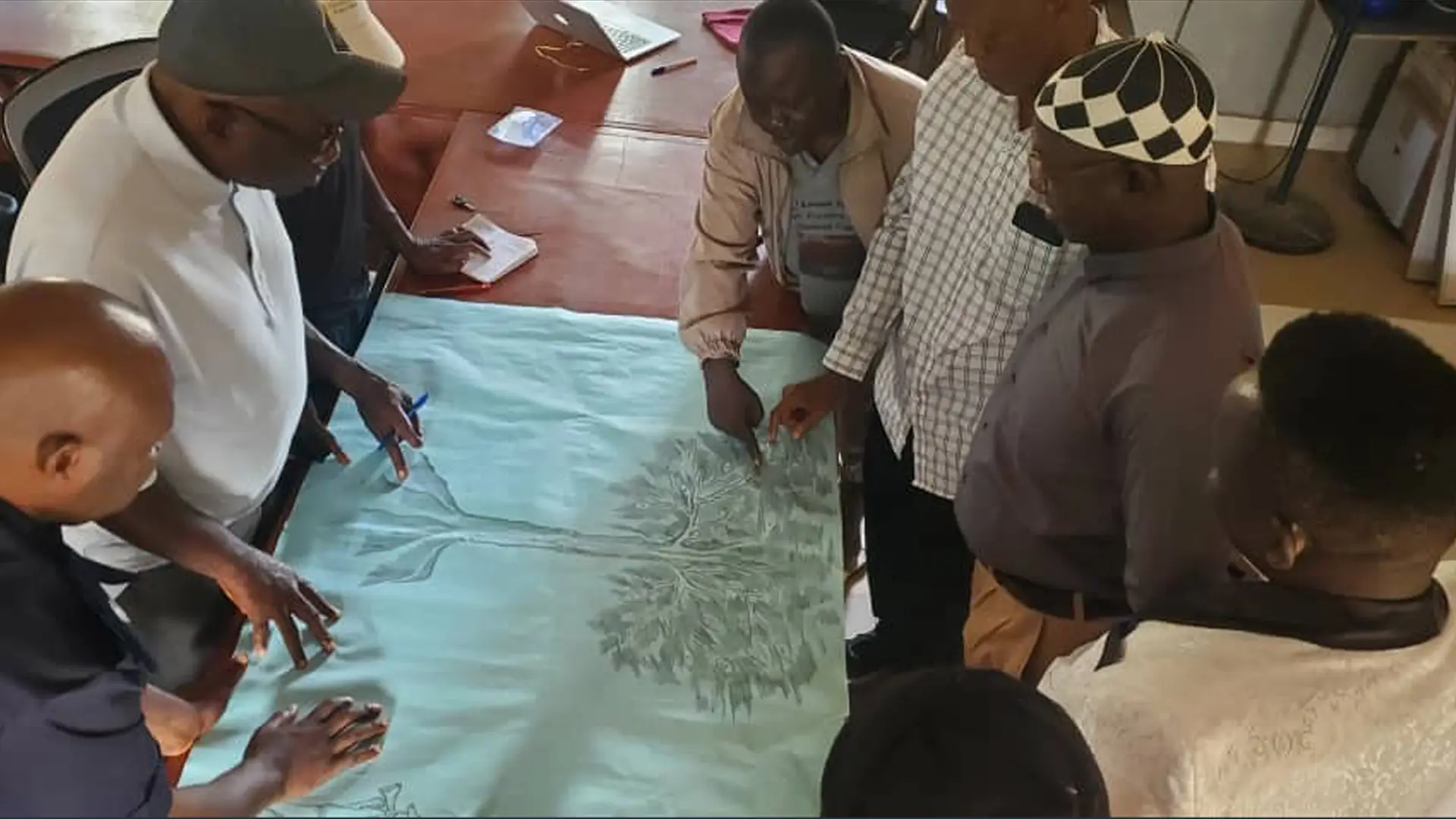
ReBUILD engaged with non-governmental organisations working on health systems strengthening programmes in fragile and shock-prone settings across the humanitarian and development spectrum, to share evidence on the principles of health systems strengthening and develop operational guidance on .
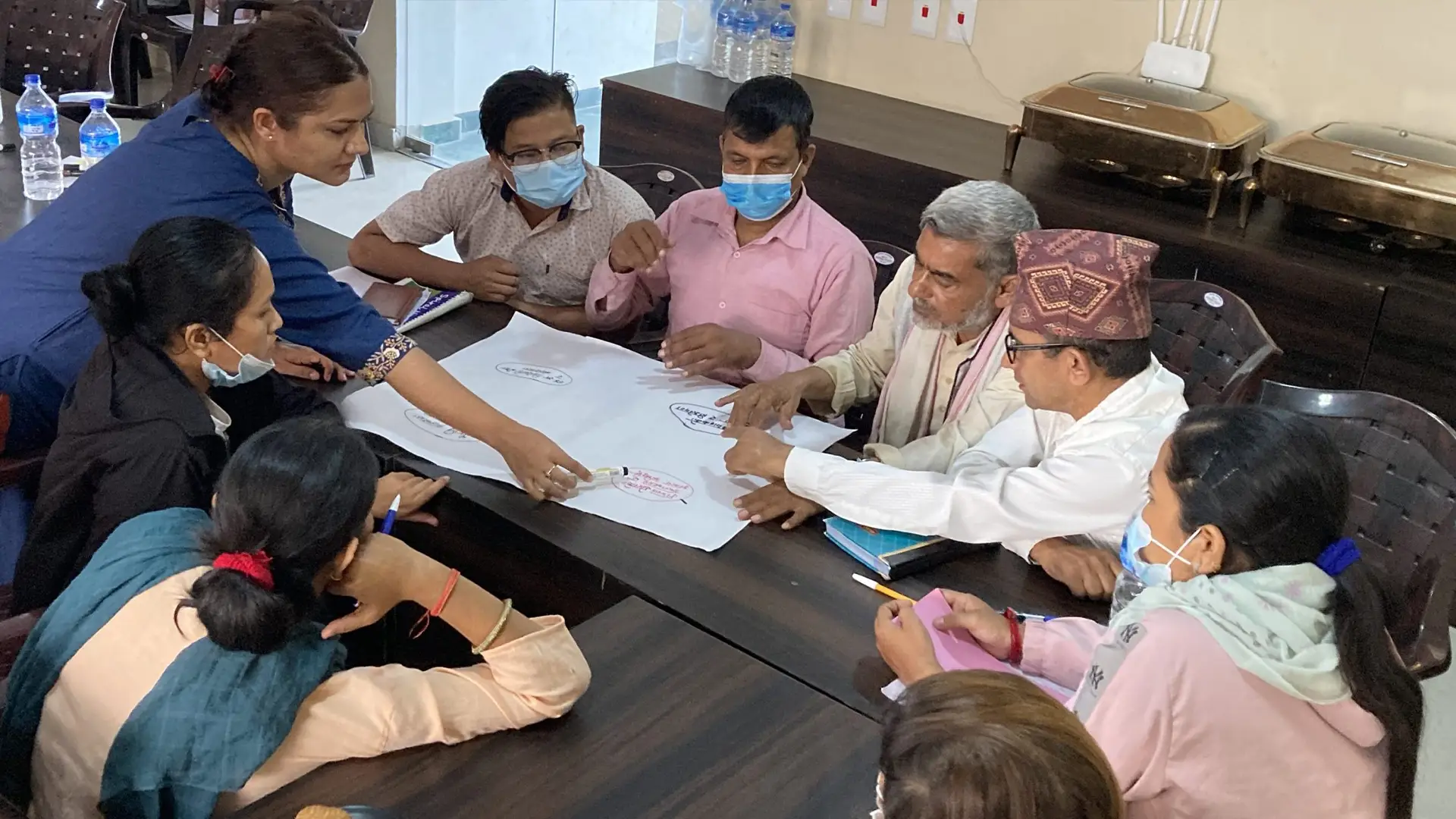
In Nepal, a municipality in Kapilvastu district was supported to integrate data into decision-making processes, particularly in planning for immunisation, nutrition and safe motherhood services to ensure equitable service delivery. In Sierra Leone, learning sites were established in Kailahun and Moyamba, bringing together community members and health system stakeholders in regular meetings. The team has engaged in a participatory project with a community radio show to improve health literacy, empower communities, and address local health priorities. In Lebanon, the learning site in Majdal Anjar has led to increased agency among Syrian informal providers of health care and a new model for Municipal Health Committees that has spread around the country. In Myanmar, our work has focused on engaging non-governmental organisations on disability inclusion.
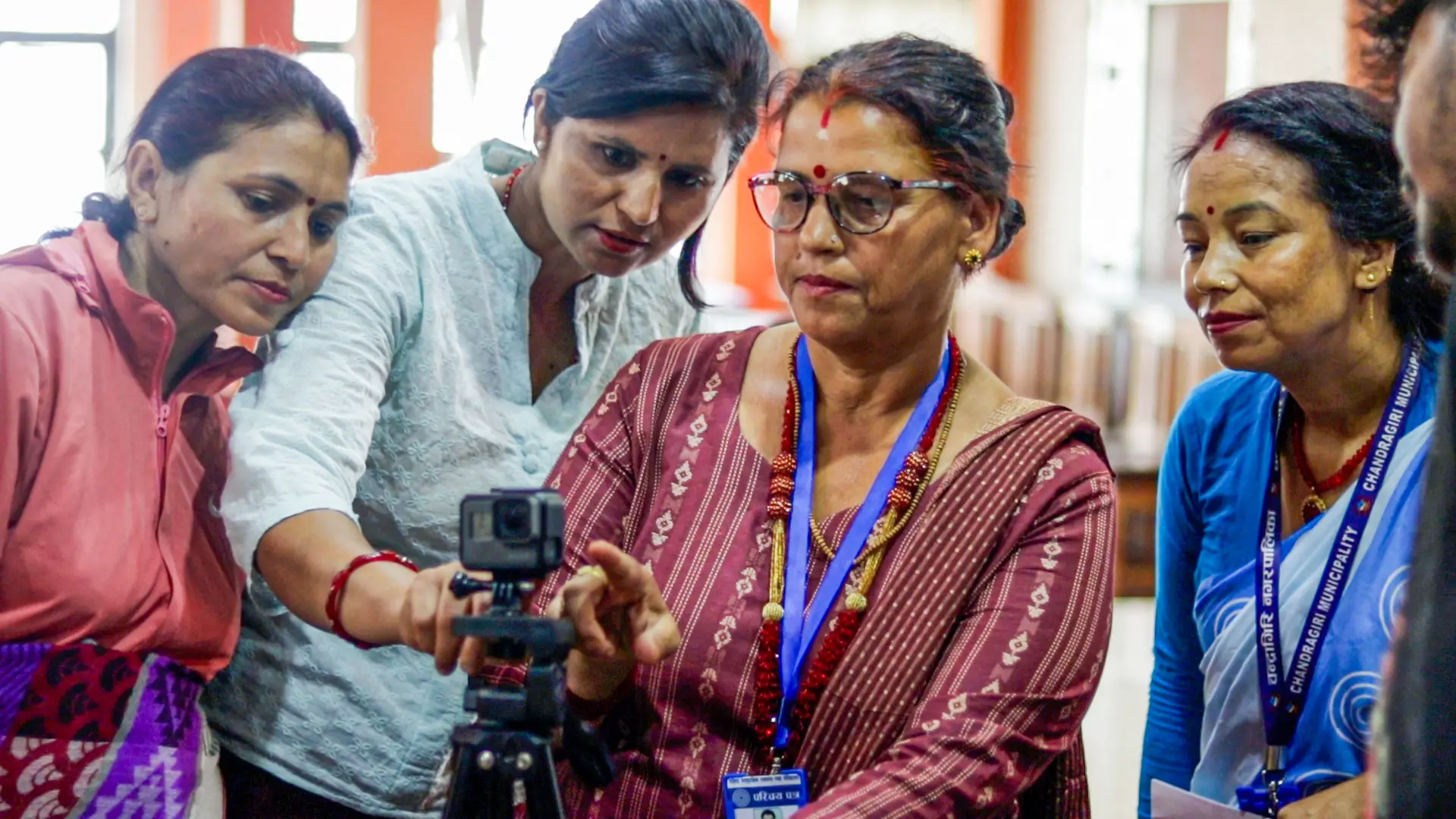
Based on a needs and assets assessment, a strategy was embedded in the consortium’s operations and adapted to local needs. Southern partners and early career researchers increasingly led initiatives, while mentorship and practical learning were emphasised. Community members were trained and actively contributed to research design and implementation. Our reflections on how to do this work have been synthesised into a toolkit for researchers.

“As an early career researcher, I was honoured to be first author on our cross-country paper examining COVID-19 responses in fragile settings, drawing on lived experiences from communities and health workers in Sierra Leone, Liberia, Lebanon and Gaza Strip. What struck me most was how clearly our findings showed that pandemic measures only work when they align with people’s realities, reinforcing ReBUILD’s long-standing emphasis on trust, equity and meaningful community engagement as central to resilient health systems.”
MARIEL HORNCASTLE, QUEEN MARGARET UNIVERSITY, UK
Key resources