
Malak El Kassir of the Working Women group talks about her role as a Syrian community nurse in Lebanon and ReBUILD’s impact on her community (watch an Arabic version here)
Achievements, impact and legacy
ReBUILD partners conducted a multi-country study into the gendered experiences of close-to-community health care providers during a pandemic, providing up-to-date knowledge for both policy and practice. We found that crisis responses must address gendered barriers in the health workforce.
Our team in Nepal supported Female Community Health Volunteers in the production of a film about their lives, changing community perspectives on the importance of the women’s roles and their need for family support and remuneration.
The Working Women collaborative in Lebanon is supporting hundreds of women to engage in mutual support, collective bargaining, childcare support, advocacy etc. This is making a real impact on women’s lives and those of their families.
Our COVID-19 studies also showed health workers cannot deliver care without safety, protection, and the right resources, resulting in recommendations for managers. Fair pay, recognition and psychosocial support are essential.
Amongst all of the crises we studied, we saw that health workers’ agency sustained care and reconfigured power when formal systems falter.
The resilience of a health system depends on its health workforce. This is especially the case in fragile and shock-prone settings, where the challenges faced are often greater than in stable environments. Conflict intensifies workforce pressures, disrupting service delivery, training systems, governance, and staff wellbeing, while adding risks such as violence and displacement. In an era of polycrises and permacrisis, understanding workforce roles and how they are managed and supported is critical to health system resilience and strengthening.
ReBUILD’s research spanned multiple countries and regions, providing evidence-based insights from a wide range of health staff, from community health workers to local managers and policy makers, working across public, private, and informal sectors, including in contested, transitional, or non-state spaces.
A Story of Female Community Health Volunteers (with English subtitles)
Female Community Health Volunteers are an integral part of Nepal’s healthcare system. These volunteers work closely with the community to improve utilization of healthcare services, provide community-based health education and counsel on safe motherhood, family planning, nutrition and immunization. They encounter multiple problems and challenges while providing services to the community. In this video, take a close look at their contribution to the society and the challenges they confront. The entire conceptualization, execution, direction, and cinematography were all undertaken by the women, with the technical support from HERD International.
PODCAST:
We discuss the challenges faced by the health workforce in fragile and shock-prone settings such as conflict zones and areas hit by political and economic crises. Our guests share first-hand experiences and insights on how health systems and workers strive to provide care under extreme conditions.
Key studies
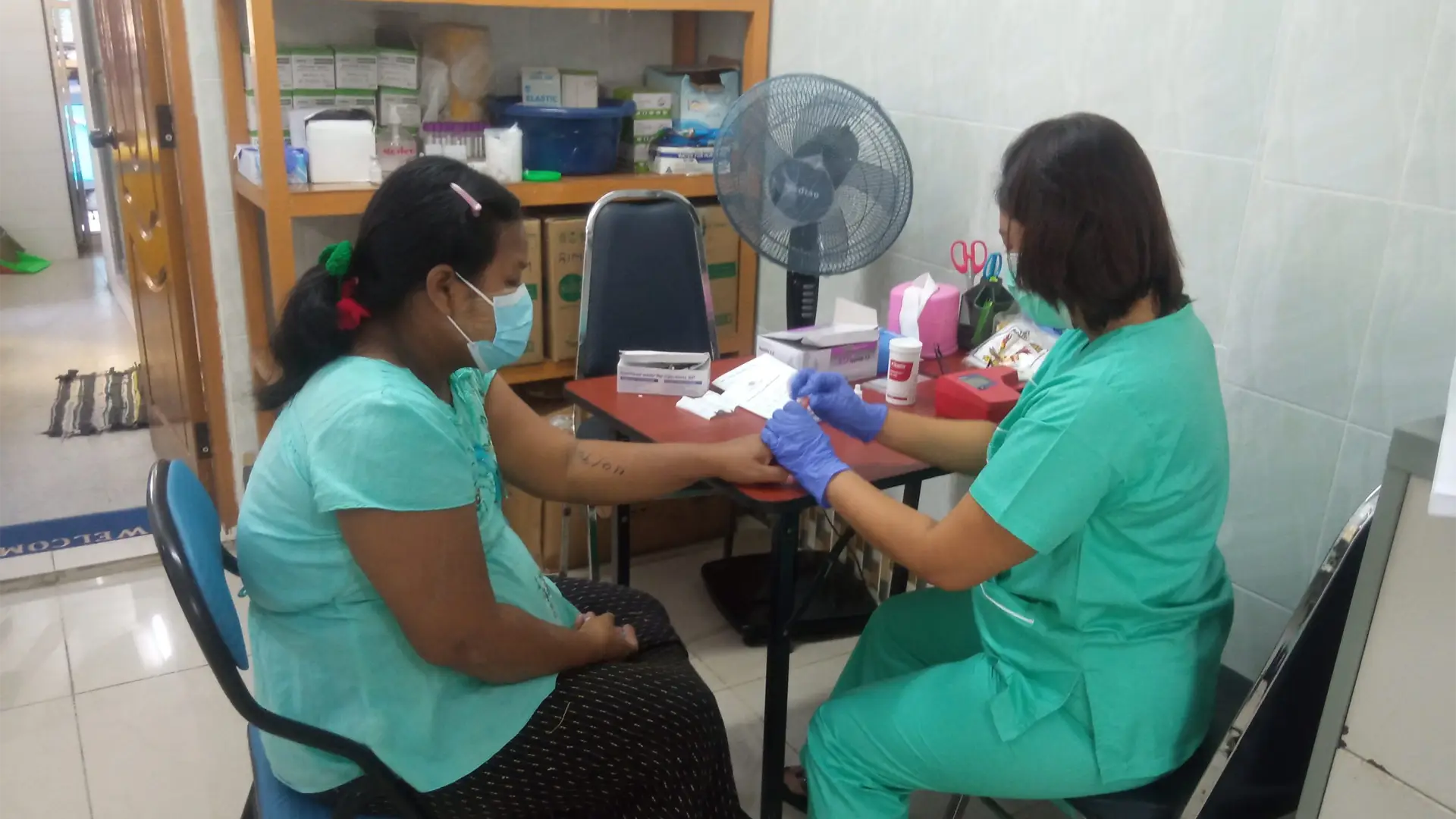
Health workers reported increased stress during COVID-19. Despite being poorly remunerated, stigmatised, unsupported and at risk there was a strong willingness to serve their communities. There was a stark gender divide, with women bearing the double burden of work and home responsibilities during lockdown.
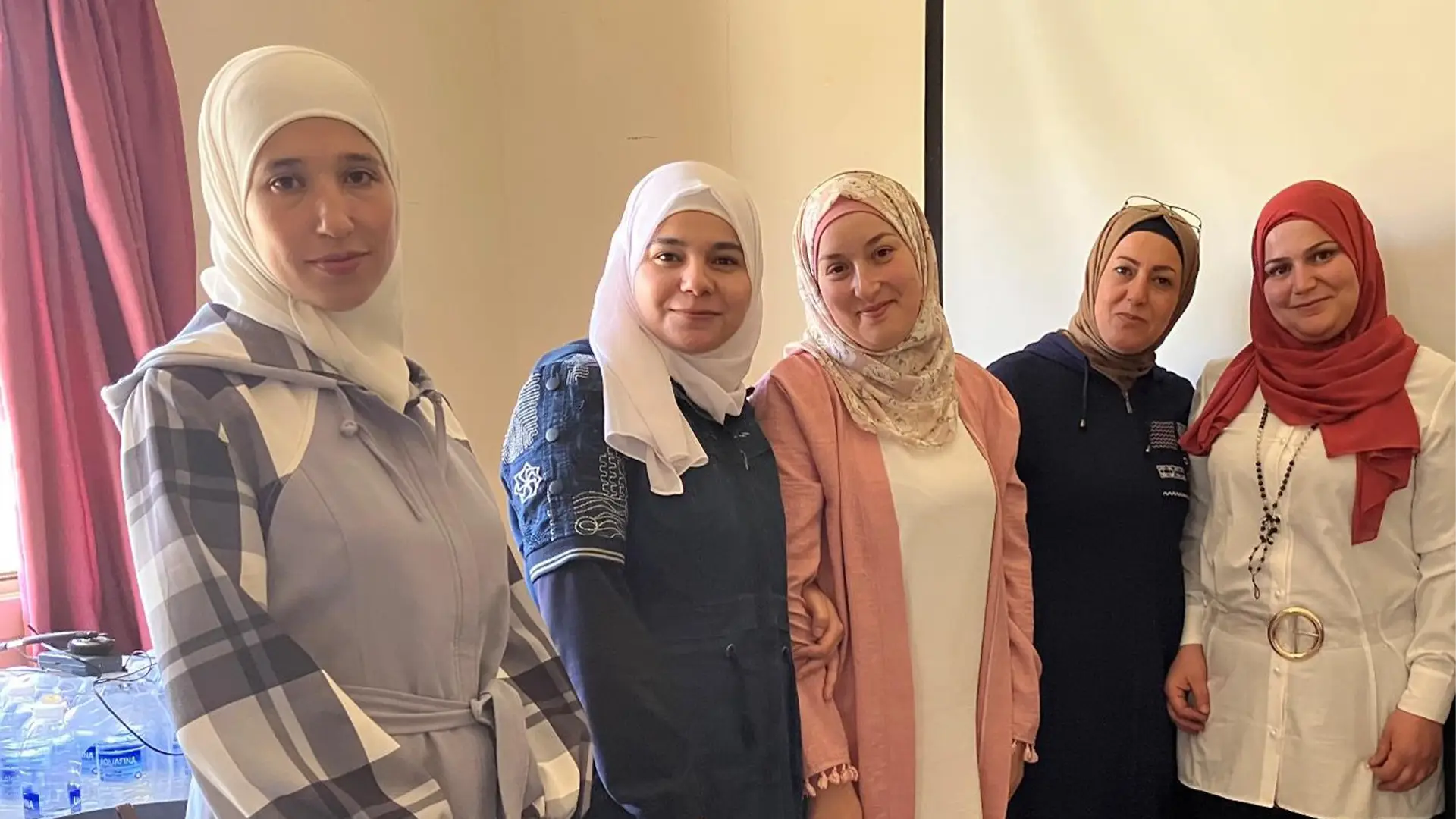
Following on from the previous study, teams in Nepal and Lebanon worked with female close-to-community health workers to identify and address community gender norms and power dynamics within health systems that affect their work and undermine their agency. This has resulted in several impactful initiatives including the formation of the Working Women support group in Lebanon and short films on and by the women in both contexts.
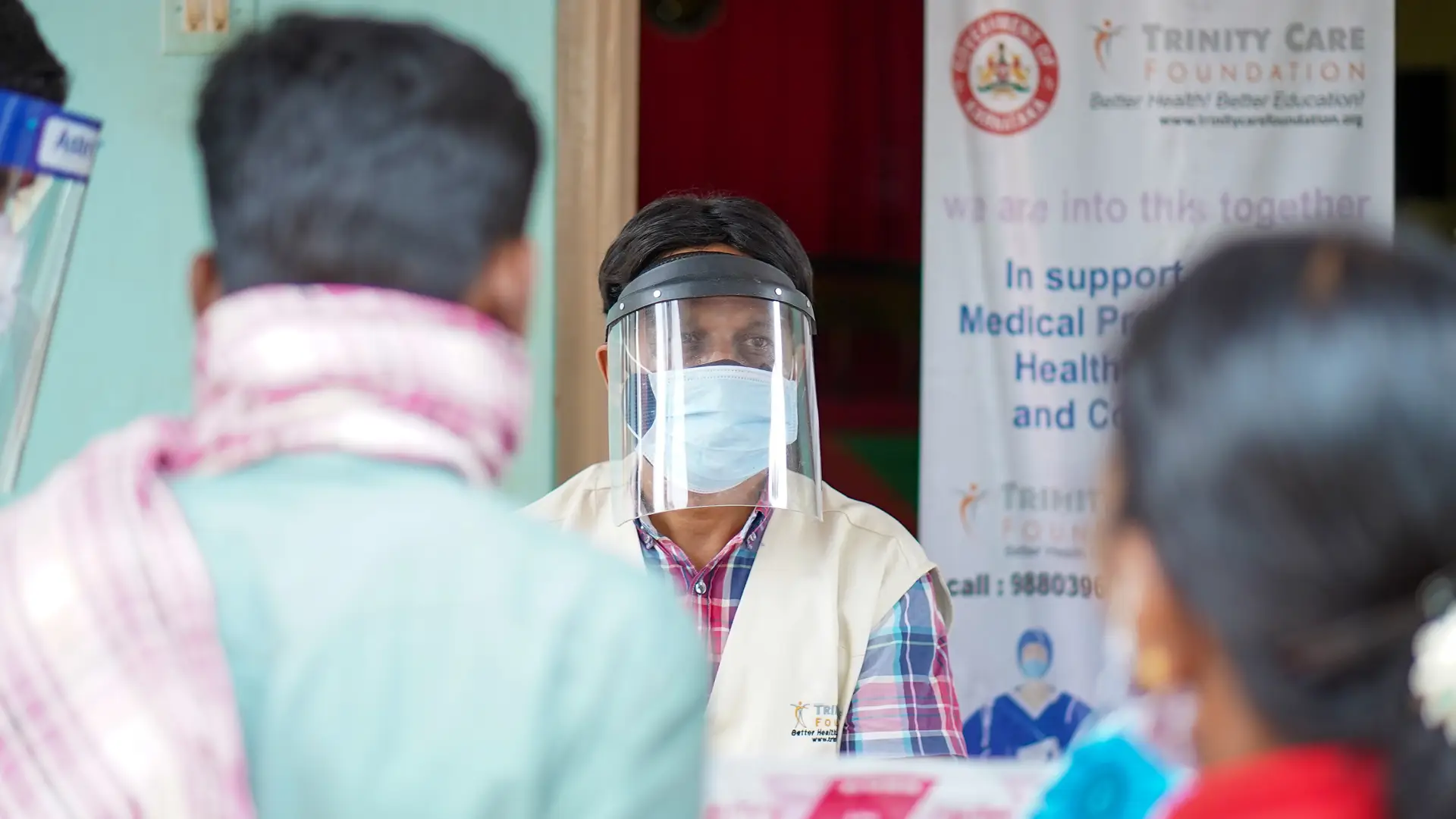
This Oxford Policy Management study asked what can be learned from community health workers’ roles during COVID-19 about building resilience capacities. We found they were critical to effective responses to disease outbreaks – despite inadequate support – and that to support their contribution and protect their wellbeing, health workers need adequate resources, managerial support, and motivation.
(Image: Trinity Care Foundation via Flickr)
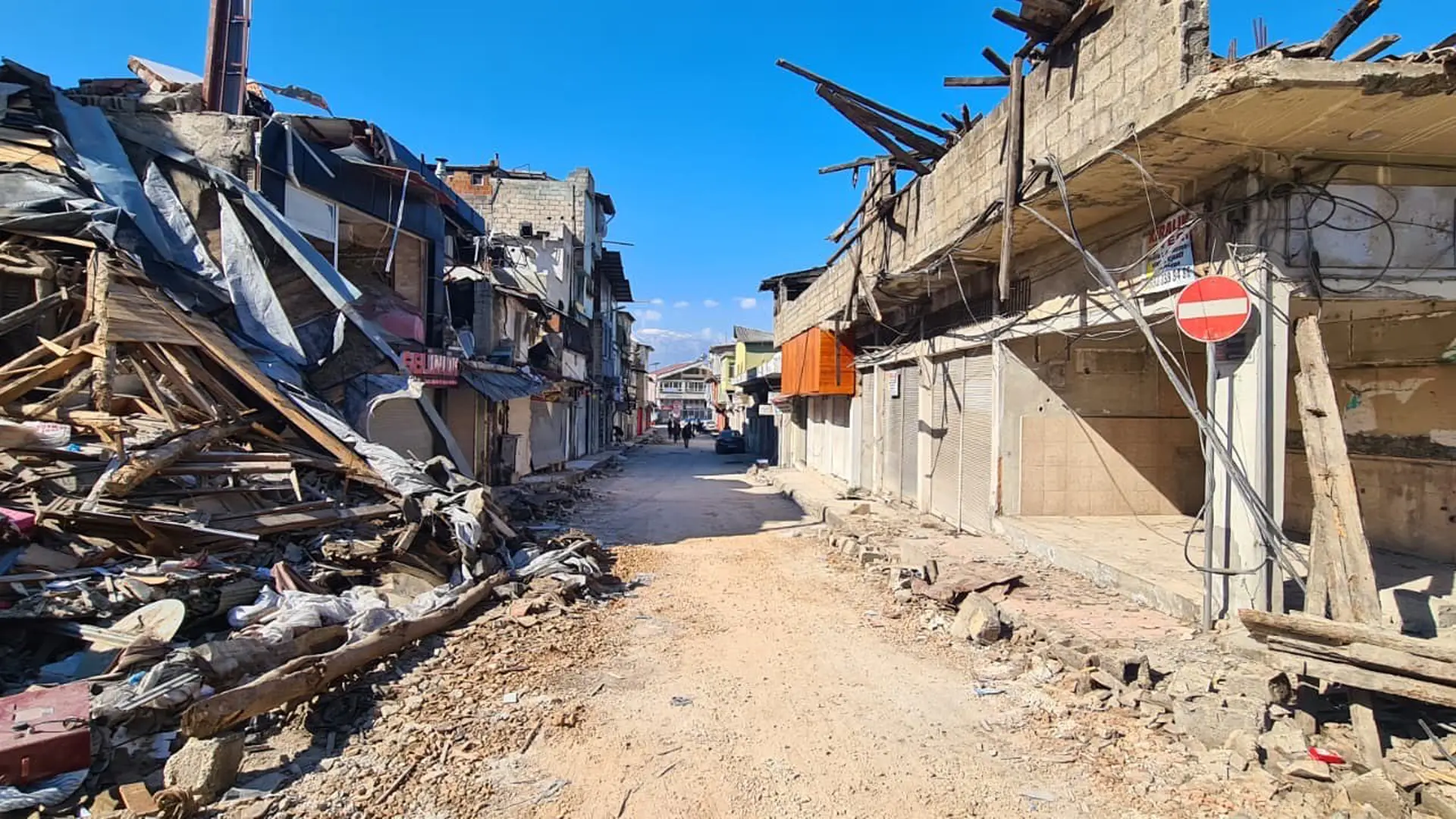
This study assessed the health system’s preparedness and response to shocks, using local-level health workforce management systems in the wake of the 2023 earthquakes as a tracer for the wider system. Despite extraordinary individual responses and strong national structures, major gaps in sub-national preparedness, coordination, mental health support, and volunteer management were exposed.
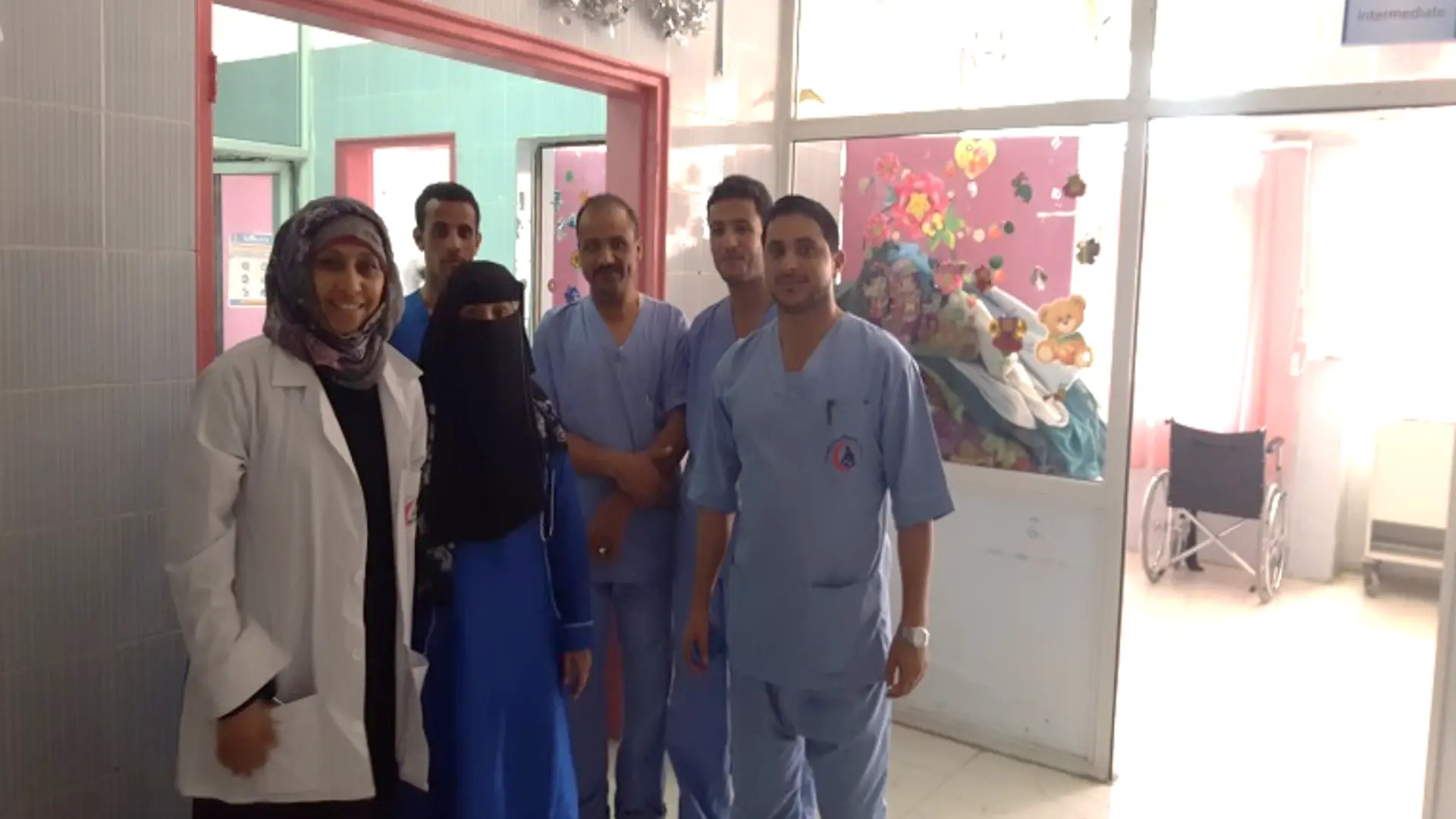
The study highlighted the daily challenges faced by health workers in conflict zones, including resource constraints, insecurity, economic hardship, and psychological strain. Despite these constraints, health workers developed coping mechanisms and demonstrated strong commitment to maintaining health services for their communities. They also identified and prioritised interventions to support continued service provision, providing important insights to inform health workforce policies and resilience strategies in fragile and conflict-affected settings.

“By leading a participatory study, I realised how engaging Female Community Health Volunteers in identifying the root causes of problems and co-creating solutions can address the gendered barriers they face. The co-created film became a powerful tool to make these experiences visible, shifting perceptions and strengthening recognition and support for their work across families, communities, and local systems.”
ABRITI ARJYAL, HERD INTERNATIONAL, NEPAL
Key resources