
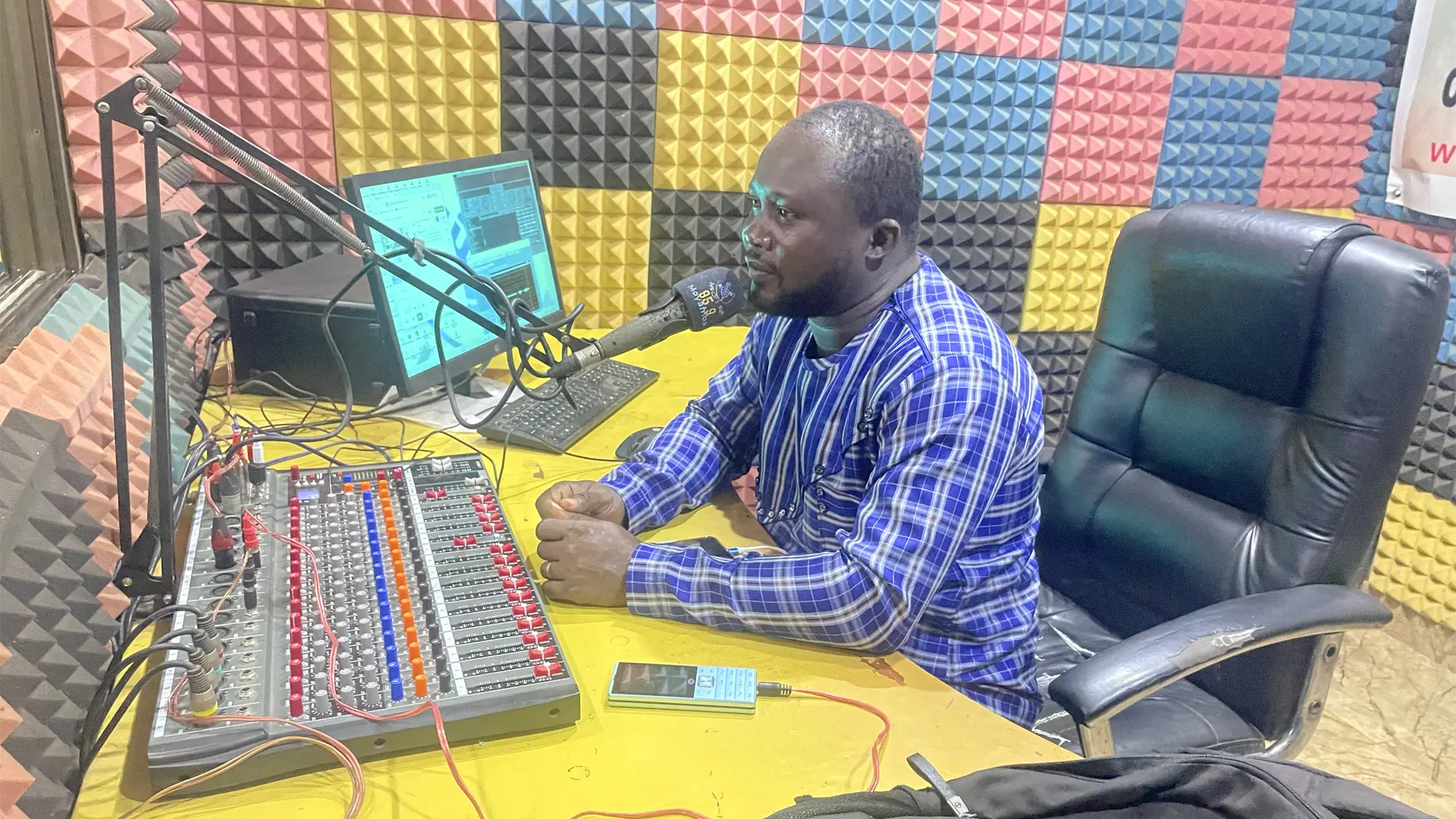
Presenter of ReBUILD Radio in Heart FM, Moyamba
Heart FM, a community partner in the Moyamba learning site
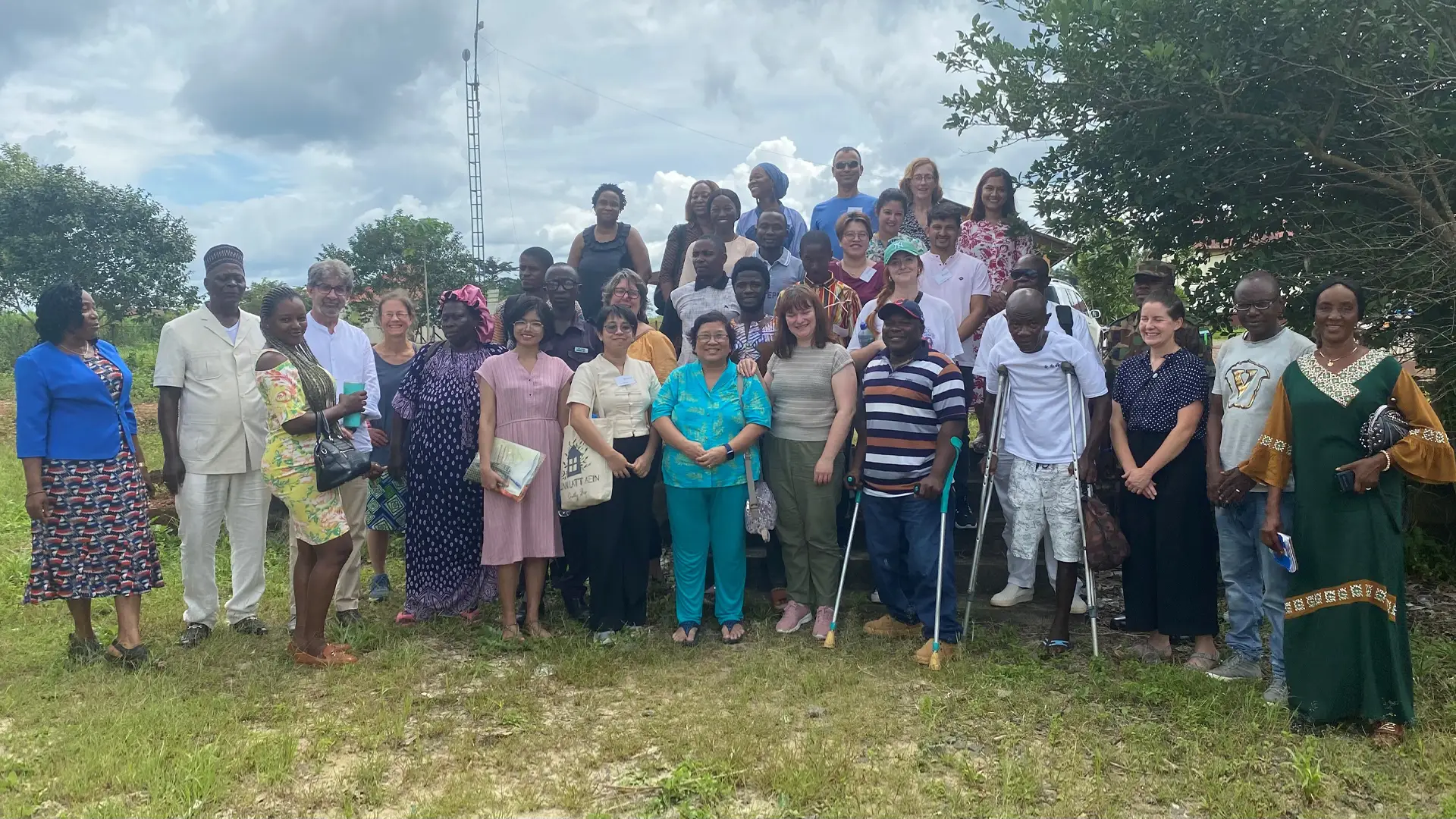
Moyamba District Stakeholder Group and ReBUILD for Resilience team after our meeting
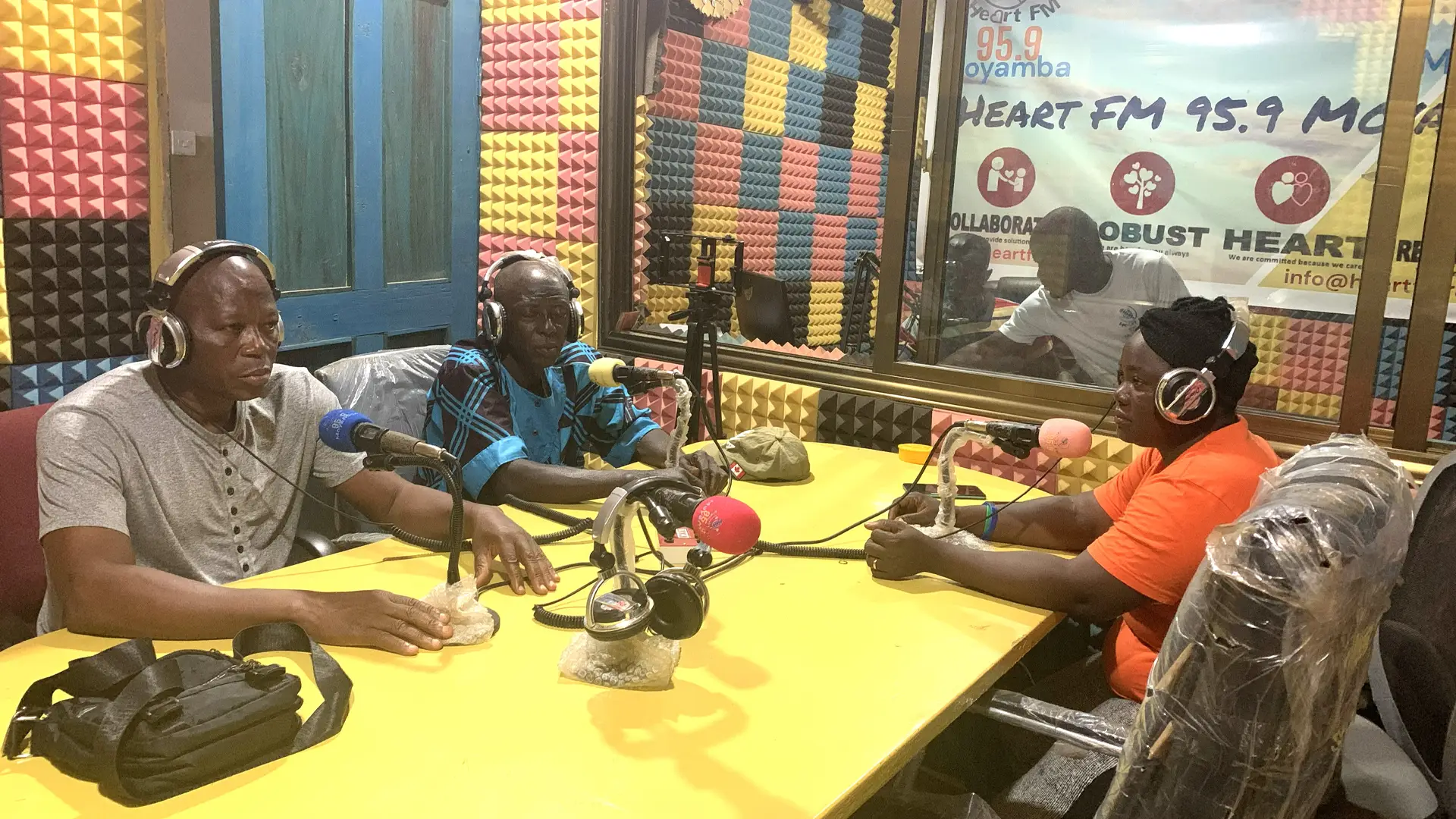
Heart FM radio studio, Moyamba
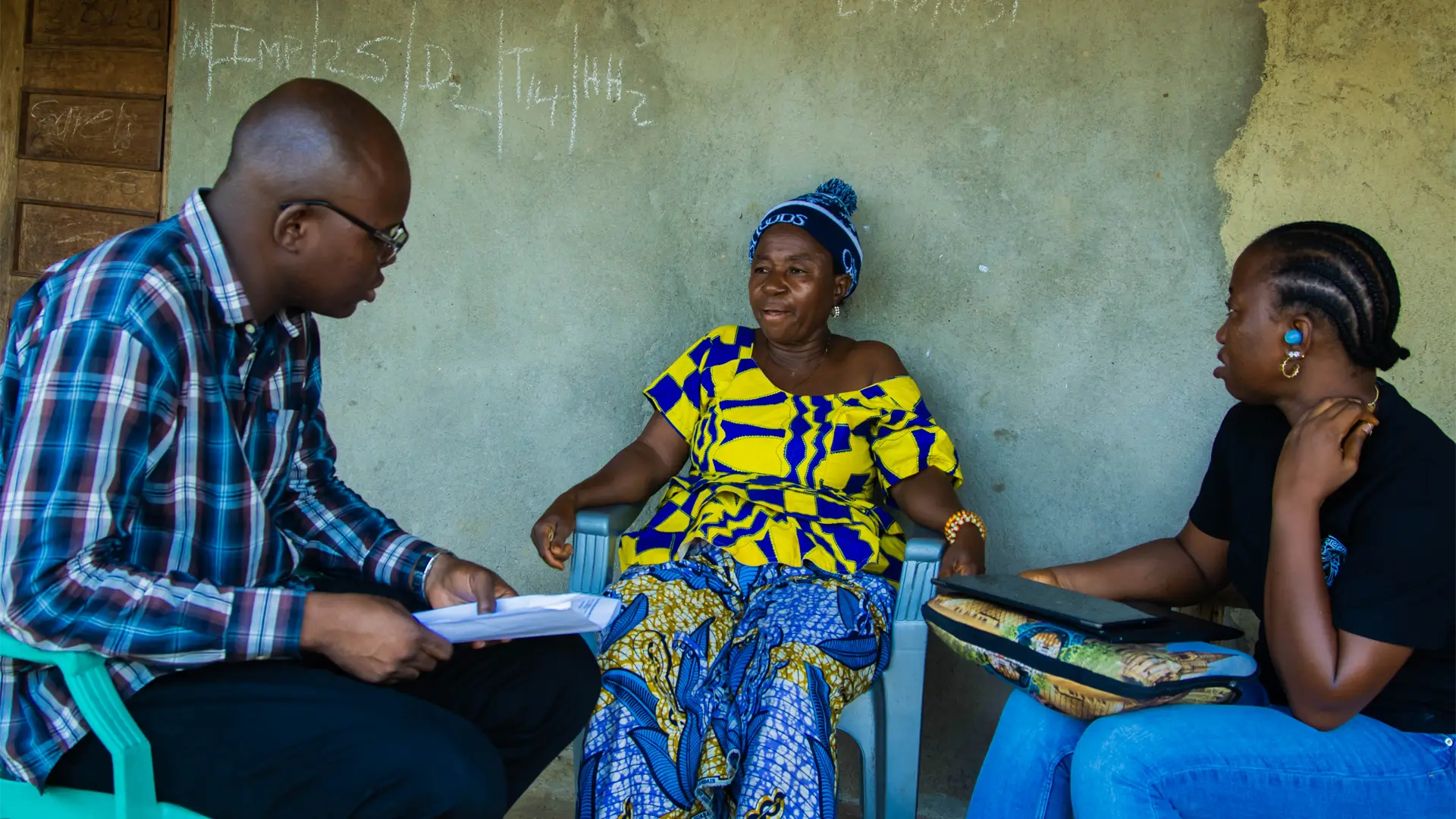
Speaking to the community
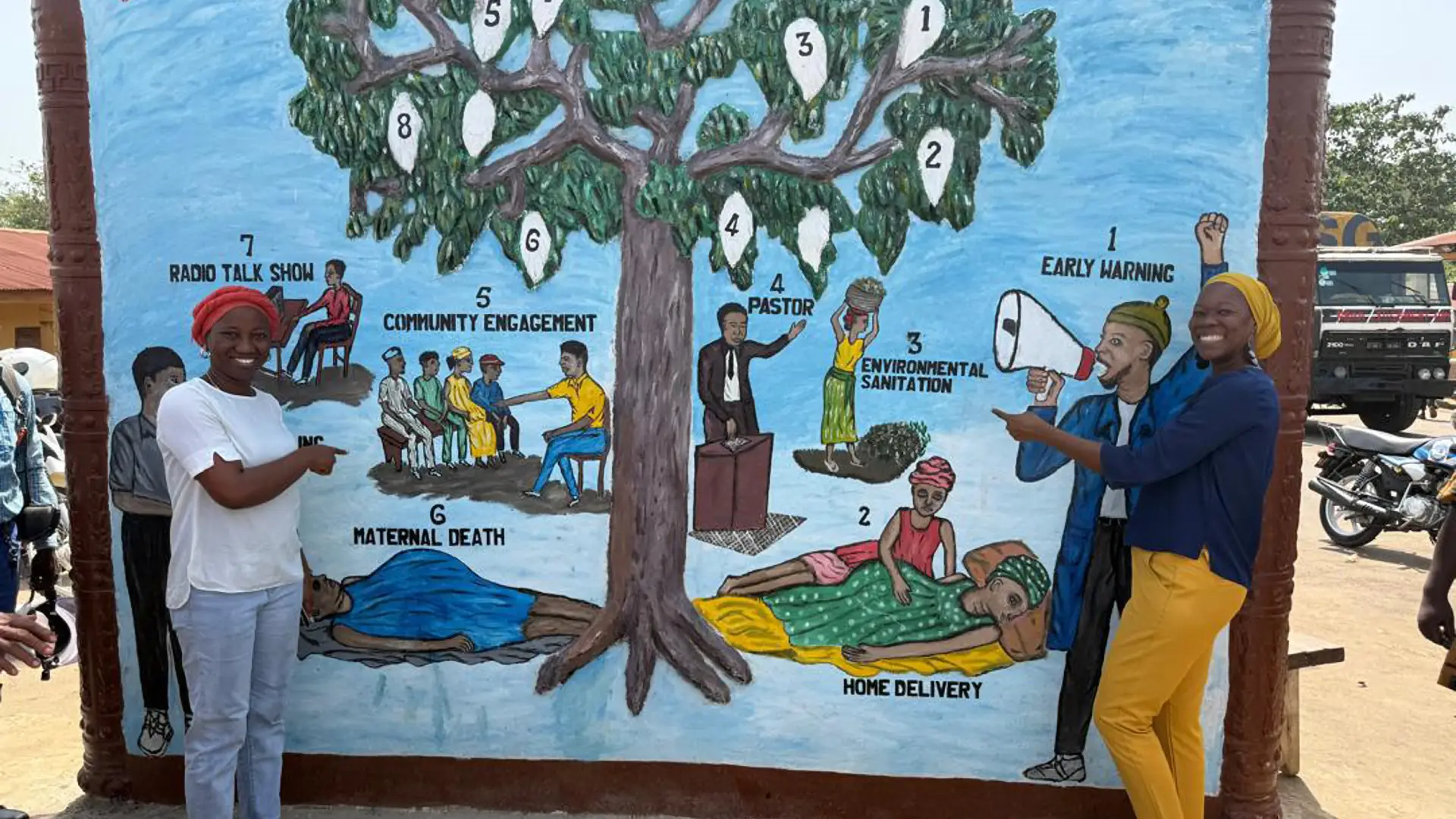
Mural, Sierra Leone learning site
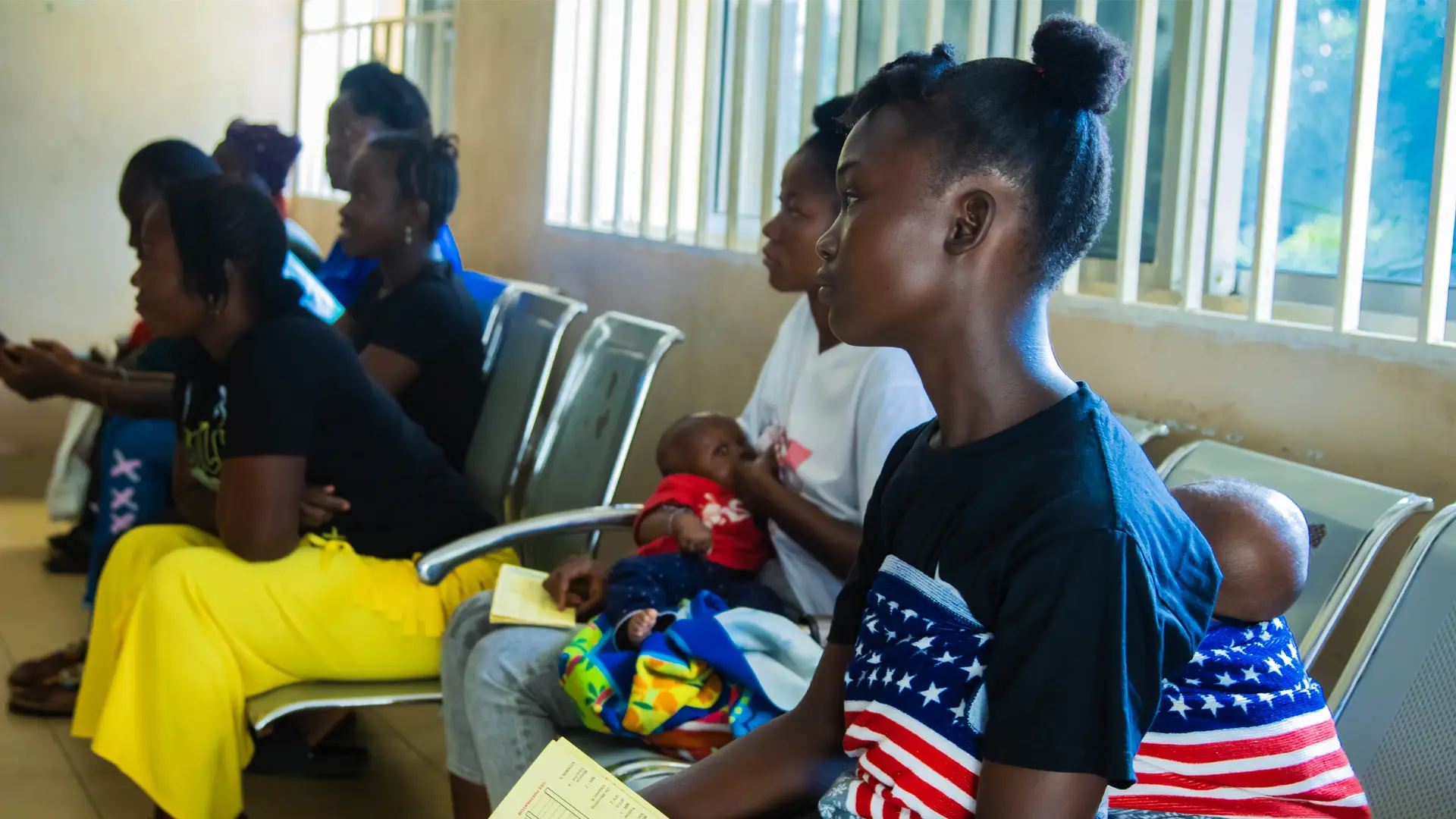
Maternal health in Sierra Leone
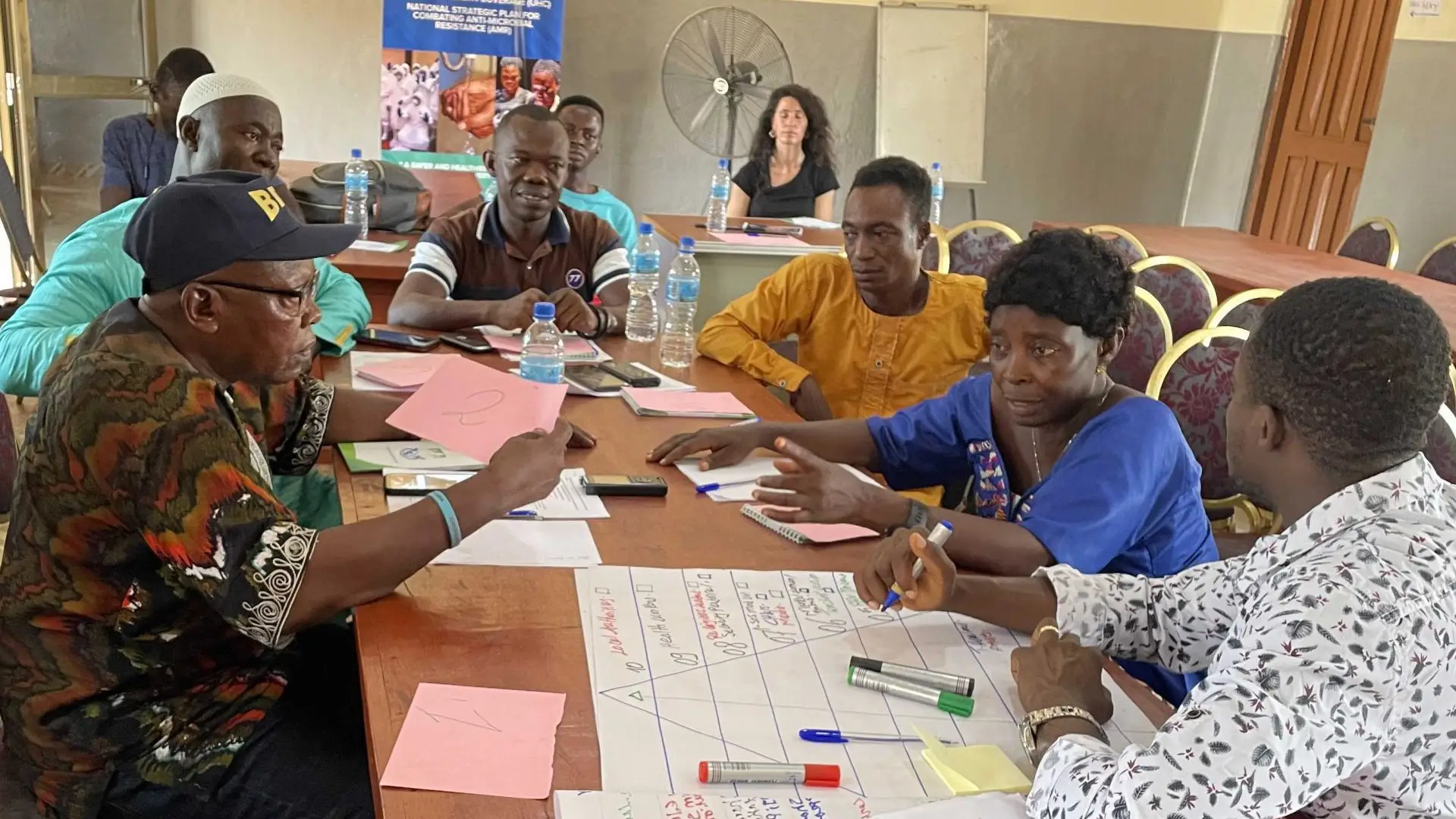
Community-leaders, Sierra Leone learning site
Our impact in Sierra Leone
Established multi-stakeholder platform linked diverse community leaders with the District Health Management Team.
Improved community engagement with the health system and strengthened their role in priority setting.
Improved trust and accountability between communities and health authorities.
Increased community knowledge and health literacy, especially on maternal and infectious disease prevention.
Improved community awareness and engagement contributed to positive behavioural changes, including reduced home births, increased facility use, and improved hygiene practices.
Enhanced leadership and ownership among local actors to sustain engagement post-project.
Sylvanus Vann Fannah, National Programme Coordinator, DISL, talks about the inclusion of persons with disabilities in the health system of Moyamba
The context
A post-conflict setting, Sierra Leone has been rocked by disease outbreaks during our years of research. Ebola Virus Disease was followed by COVID-19 and outbreaks of Mpox. The country remains extremely fragile and has been affected by recent cuts to development assistance by the United States, United Kingdom and other bilateral donors.
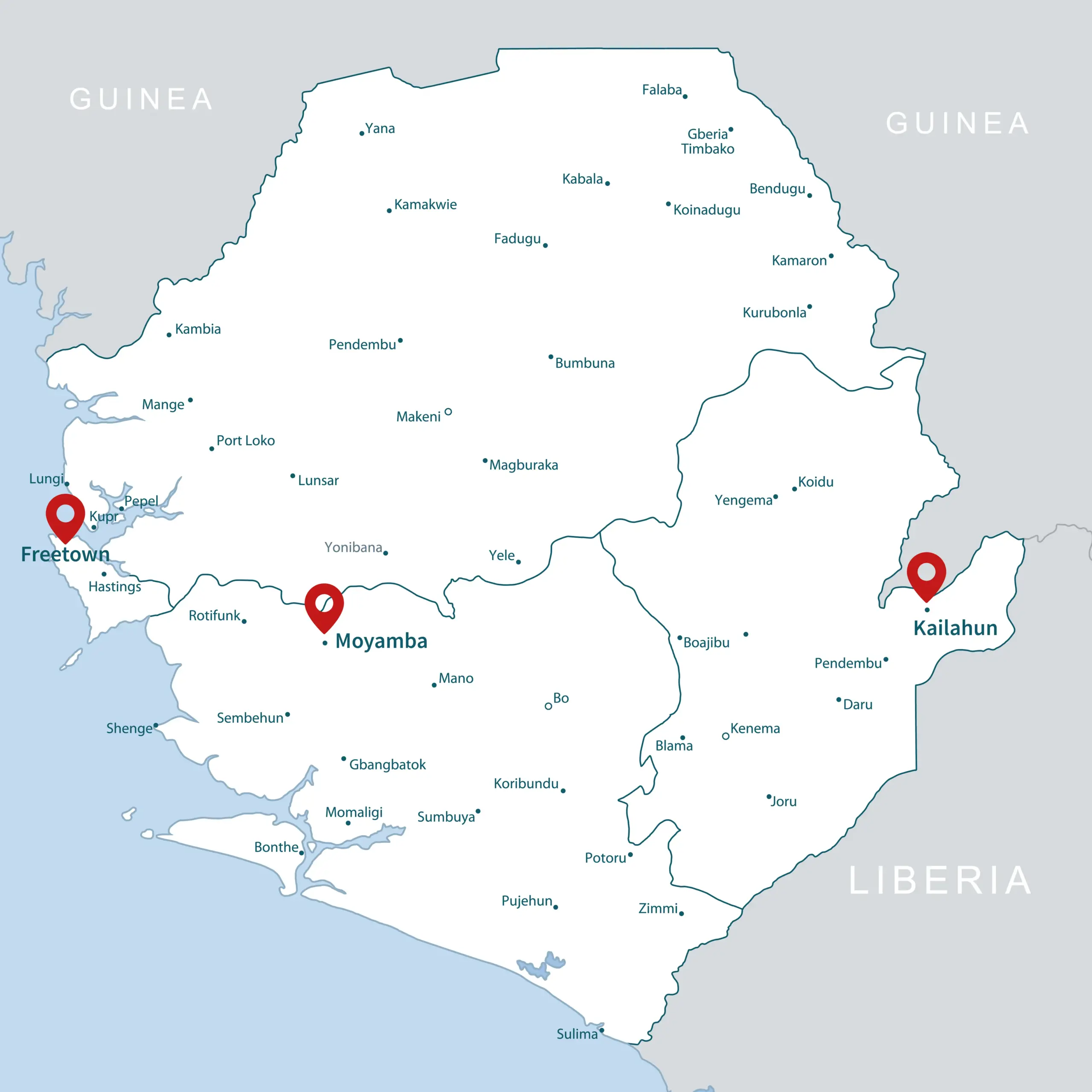
ReBUILD’s research in Sierra Leone was initially conducted by COMAHS (College of Medicine and Allied Health Sciences) and later by IfD (Institute for Development), led by Dr Ayesha Idriss and Regina Mamidy Yillah. The team’s work has been primarily based at their learning sites in Kailahun and Moyamba Districts.
Using participatory and embedded approaches, the team explored social networks and collaboration, leadership and distributed control and inclusive and open governance and decision-making. They have also experimented with radio discussions to raise awareness and facilitate communication between communities and health authorities. In Kailahun, this work incorporated a dedicated study on Kush use, which is a particular concern for the community.
The Sierra Leone team is also involved in the multi-country studies on aid cuts and the diaspora and contributed work on community health workers during the emergency phase of the COVID-19 pandemic.
Key studies
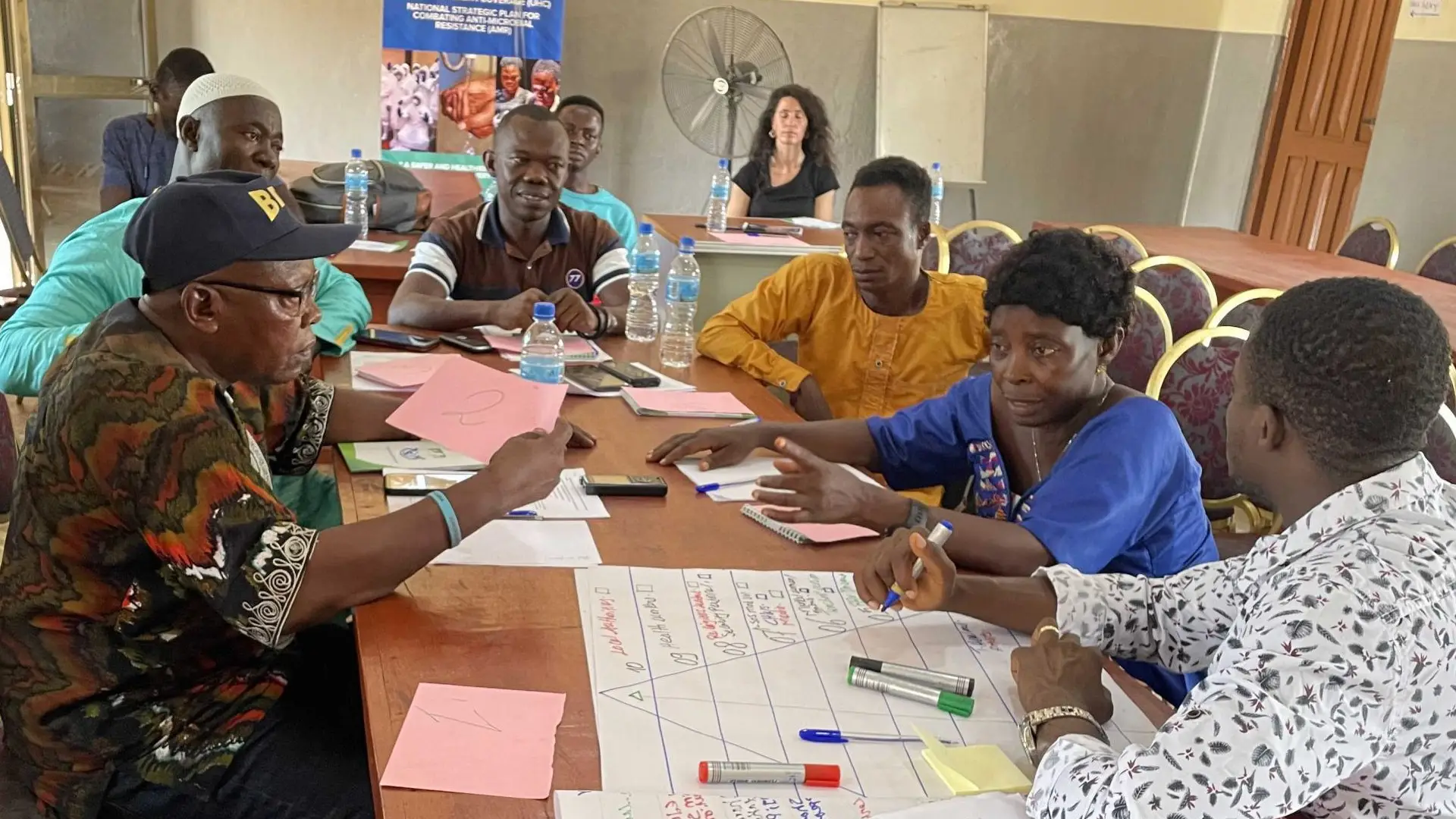
The learning site study followed participatory action research principles and methodologies, mapping key leaders and their power dynamics within the community and health system. Systemic barriers to community leader engagement in public health emergencies were identified. Co-created action agendas led to a novel radio intervention and improved coordination, prioritisation and implementation of work on sanitation, maternal health and drug use.
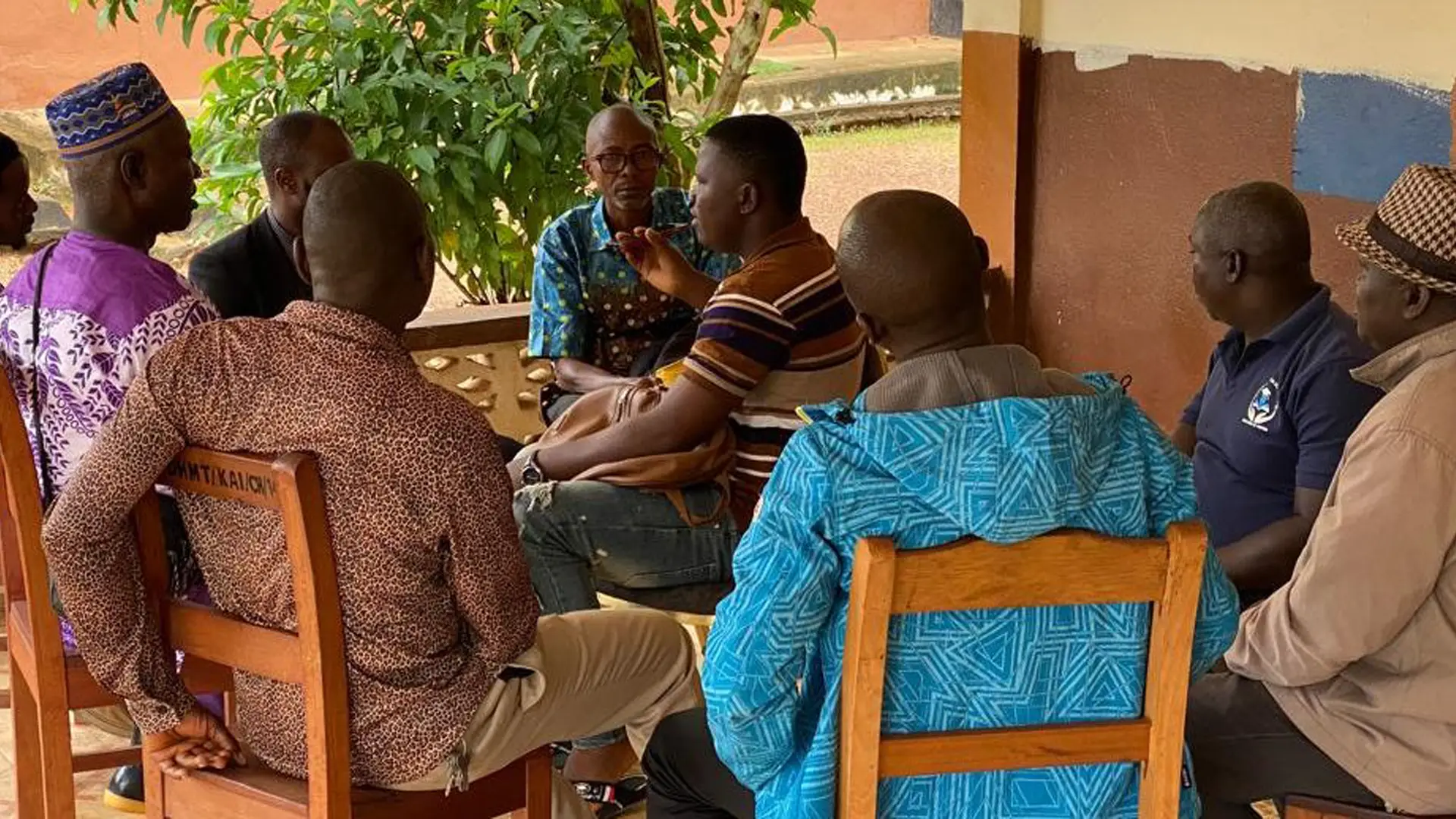
Kush use is widespread, particularly among the unemployed. There are few rehab options, limited mental health support, and almost no transitional pathways back into training or jobs.
More findings, studies and outputs from ReBUILD for Resilience partners Institute for Development
“It has been an honour and privilege to lead the ReBUILD for Resilience team in Sierra Leone in my first role as Principal Investigator, and to witness the power of local community leadership in action. Through this work, I have gained firsthand insight into how, when local leaders are empowered and community voices heard, communities themselves become the driving force behind solutions to challenges in health, sanitation and beyond.”
DR AYESHA IDRISS, INSTITUTE FOR DEVELOPMENT
Key resources