
Achievements, impact and legacy
Our findings have direct relevance for policymakers and practitioners in fragile and crisis-affected contexts, highlighting the importance of decentralisation, local leadership, and institutional learning in building resilience, while also showing that transformation is rare and often hindered by political and institutional constraints.
Our era of polycrisis demands greater understanding of how health systems respond over time to compound, repeated, or protracted crises. Using our Resilience Framework, we found most shock responses in our study contexts can be classified into absorptive, adaptive, and transformative strategies.
COVID-19 presented ReBUILD with an opportunity to explore health system resilience at the individual, community, sub-national and federal levels. We identified weaknesses in, and strategies to support, each level.
Our post-earthquake studies in Myanmar and Türkiye have provided evidence on how future responses to crises might be improved and health systems strengthened.
ReBUILD for Resilience set out to understand how health systems in fragile and shock-prone settings might strengthen and develop resilience capacities, enabling them to better serve their populations in times of both calm and crisis (find our resilience framework here). Since then, all our study contexts, and our researchers themselves, have been impacted by profound shocks, including a pandemic, a military coup, war, civil unrest, economic collapse, earthquakes and the impact of climate change. We examined the patterns of shocks and responses across partner settings, aiming to derive lessons for resilience and health system strengthening in fragile and shock-prone contexts.
Strengthening climate-resilient health systems: opportunities & challenges
ReBUILD for Resilience and Oxford Policy Management (OPM) presented a webinar which shared experiences on supporting climate-resilient health systems and drew lessons for both the policy and facility levels.
Getting on the same page: the concept and assessment of ‘health systems strengthening’ webinar
Recording of a ReBUILD for Resilience webinar from May 2021 entitled, ‘Getting on the same page: the concept and assessment of health systems strengthening’. The session explored the latest thinking on the conceptualisation of health systems strengthening and the prospects for adopting shared tools and approaches for its assessment.
Key studies
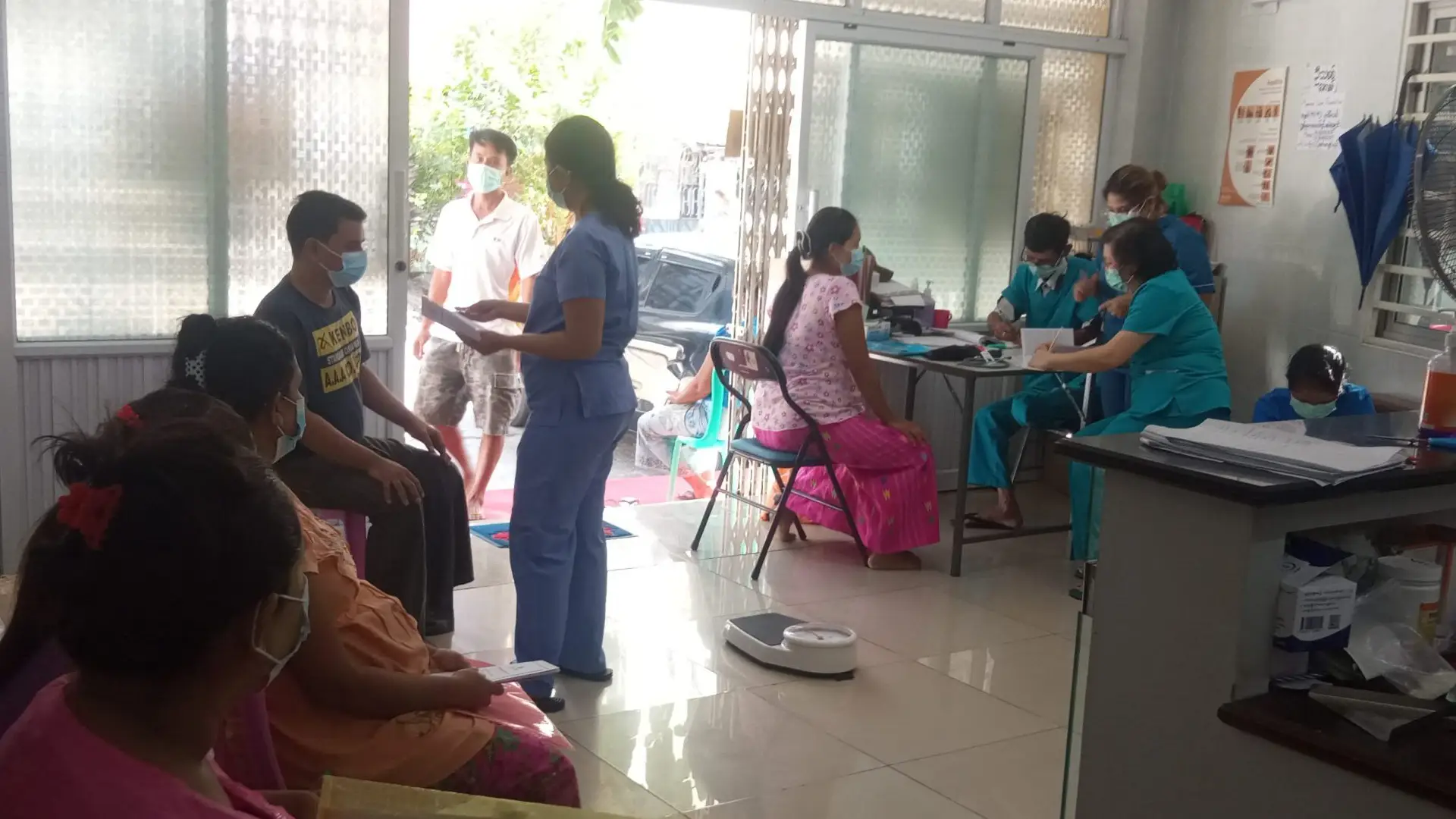
Several ReBUILD studies looked at health systems resilience and the health workforce in relation to the pandemic, providing insight into how systems might prepare for future shocks. They included Understanding health system resilience to respond to COVID-19 in a federalised context: a case study of health workforce management at sub-national level in Nepal, Community stressors and coping mechanisms in accessing the health system during a double crisis: a qualitative case study from Yangon Region, Myanmar, and Cross-country learning on health system resilience.
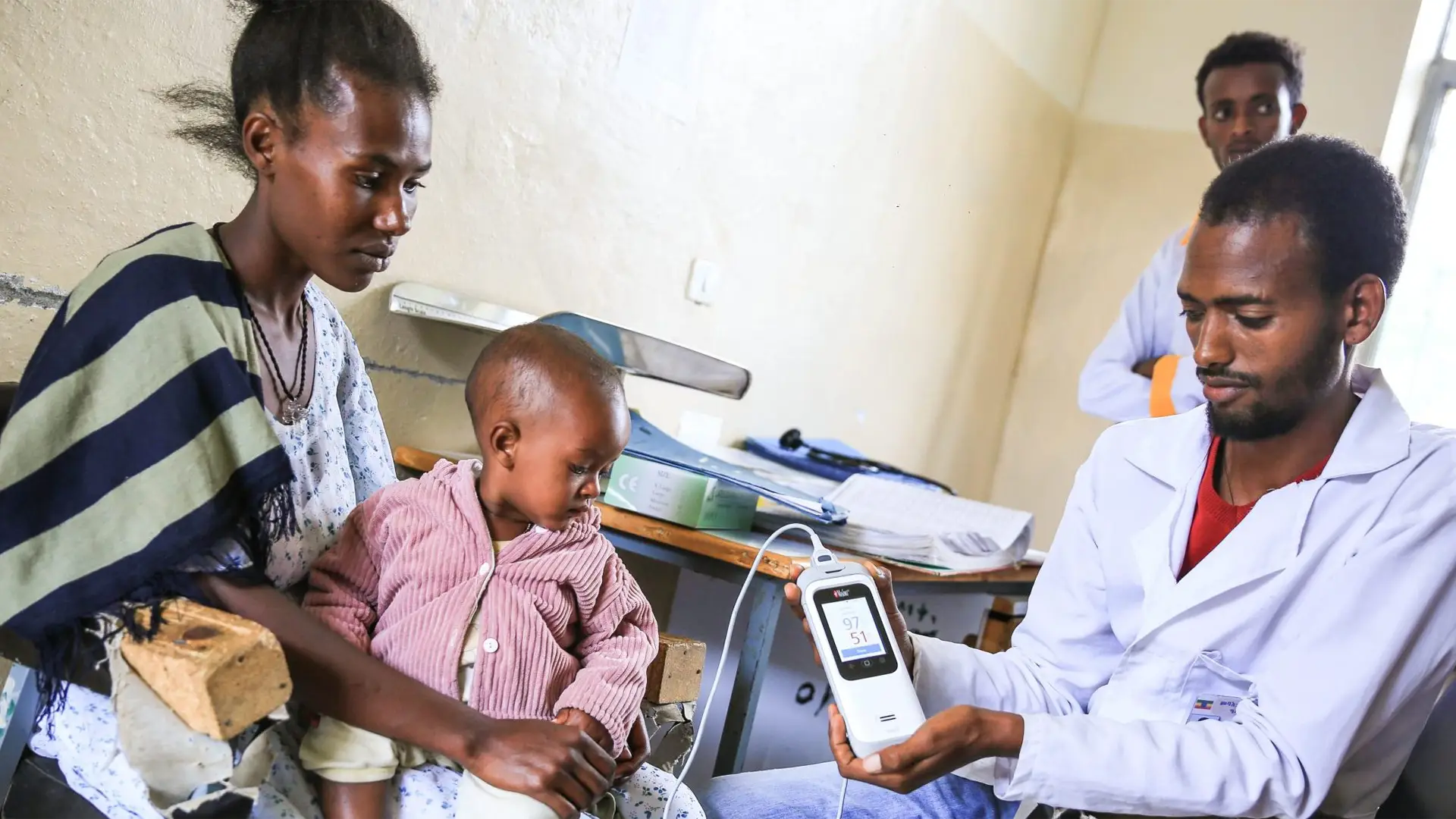
The resilience of the health system in Tigray, following decades of war was examined in this study. Analysis identified several resilience strategies, deployed across different elements of the health system to sustain some degree of functionality during conflict and to ensure some health system recovery.
(Image: UNICEF Ethiopia via Flickr)
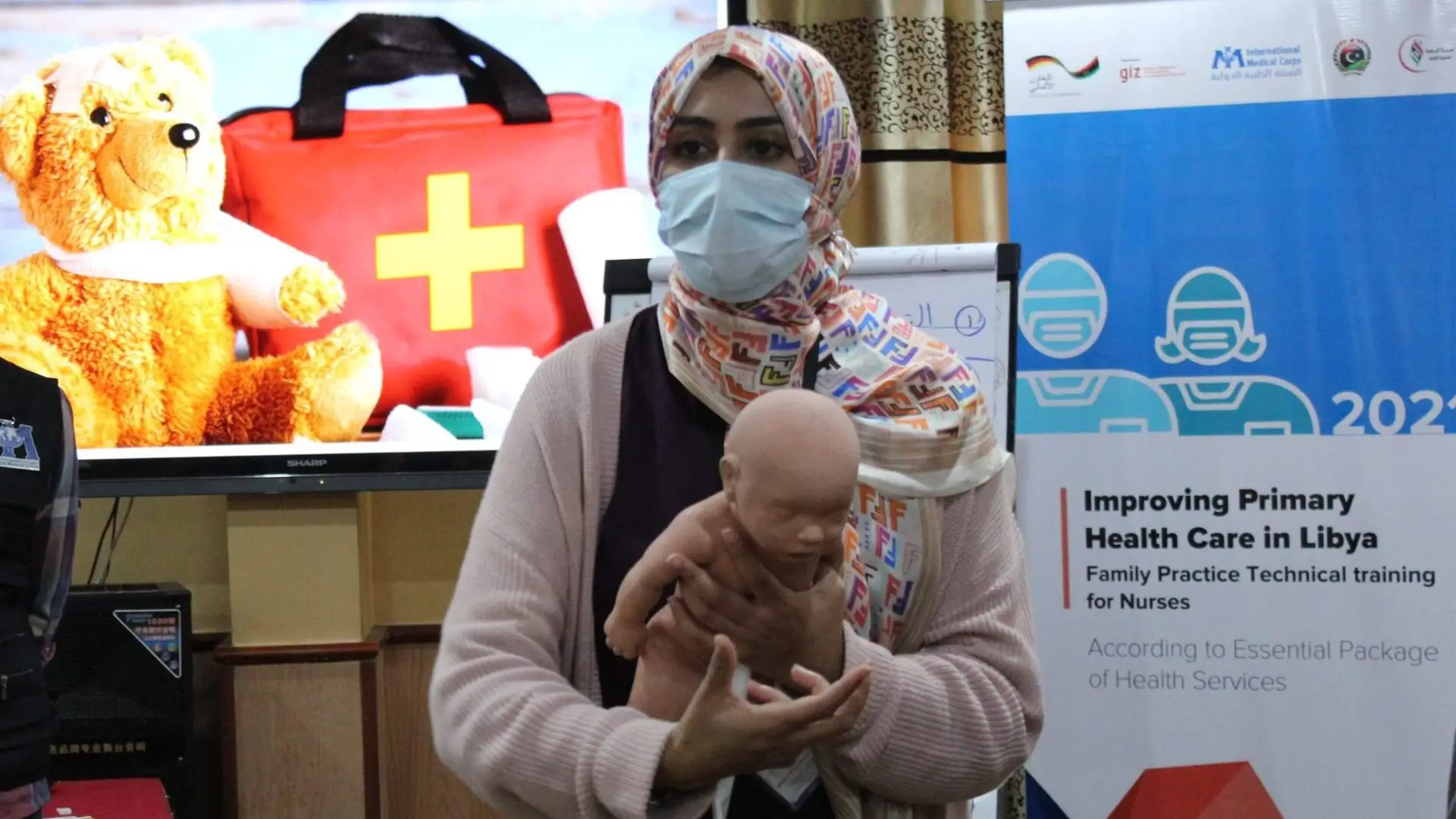
How to operate health systems strengthening programming in fragile and shock-prone settings at the intersection of humanitarian and recovery phases was the question for this study. We aimed to gather the experiential and operational perspectives of practitioners who participate in such research, based on the acknowledgement of the importance of their views and richness of experiences.
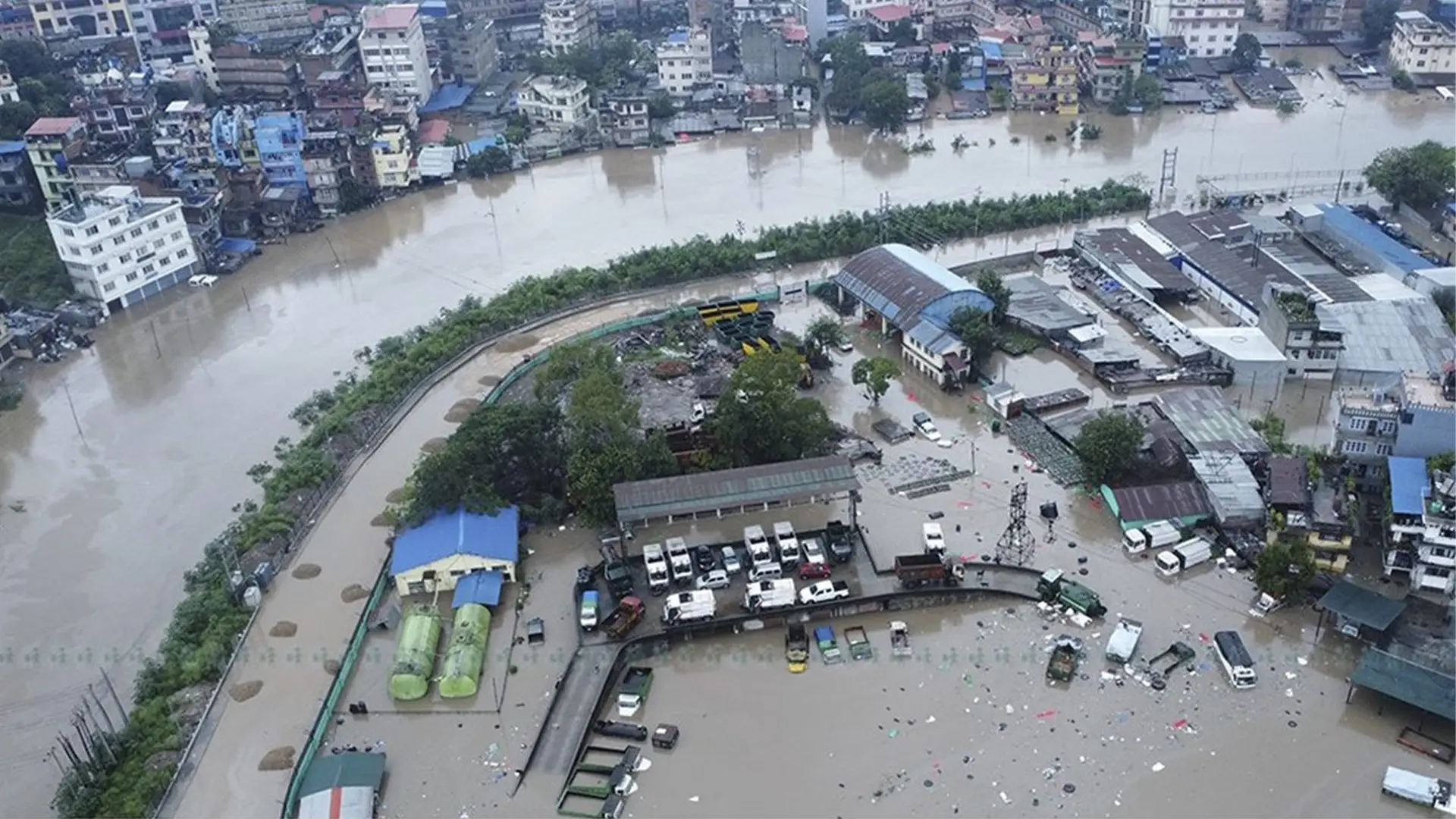
The study explored the policy context and assessed the climate resilience capacity of health systems in Nepal, especially at the local level, to address the health risks of climate change in the country. Despite federal policies, the study found local health systems remain under-prepared for climate crisis, highlighting the need for stronger support, communication, and integration of climate resilience into local health governance.
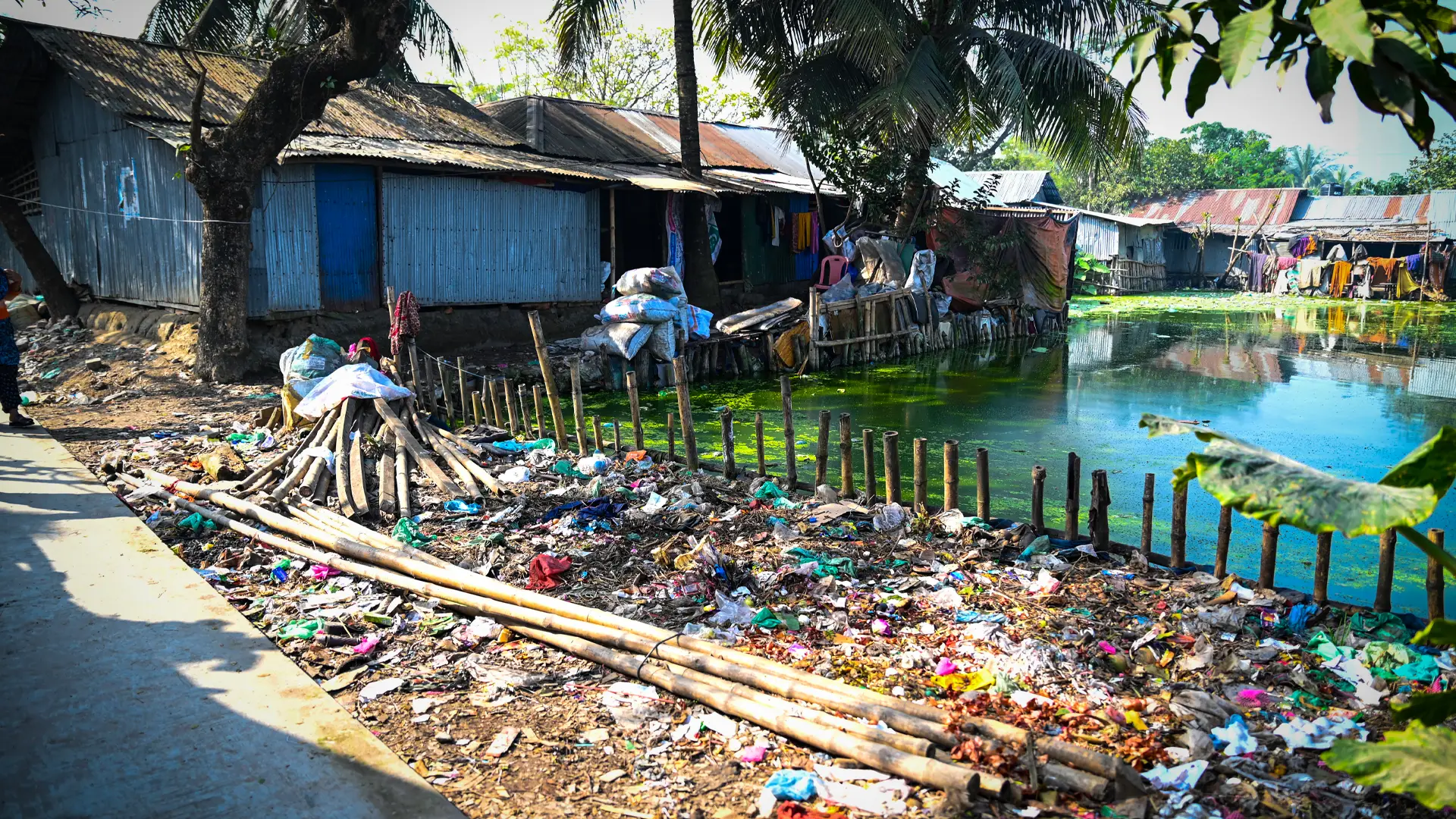
Two studies aimed to fill gaps in how climate change impacts on health systems might be overcome. INTEGRATE identified how to overcome barriers to coordination between climate change and health stakeholders in Bangladesh, providing a roadmap towards a proactive, integrated governance framework that prioritises health system resilience. Urban Echoes aimed to understand how migration, climate change, and informal urban spaces impact the health and well-being of internally displaced climate migrants. It found that current strategies provide negligible formal support, shrinking social capital, predatory debt, and little trust in the government, with support networks, health system integration and longitudinal research needed.
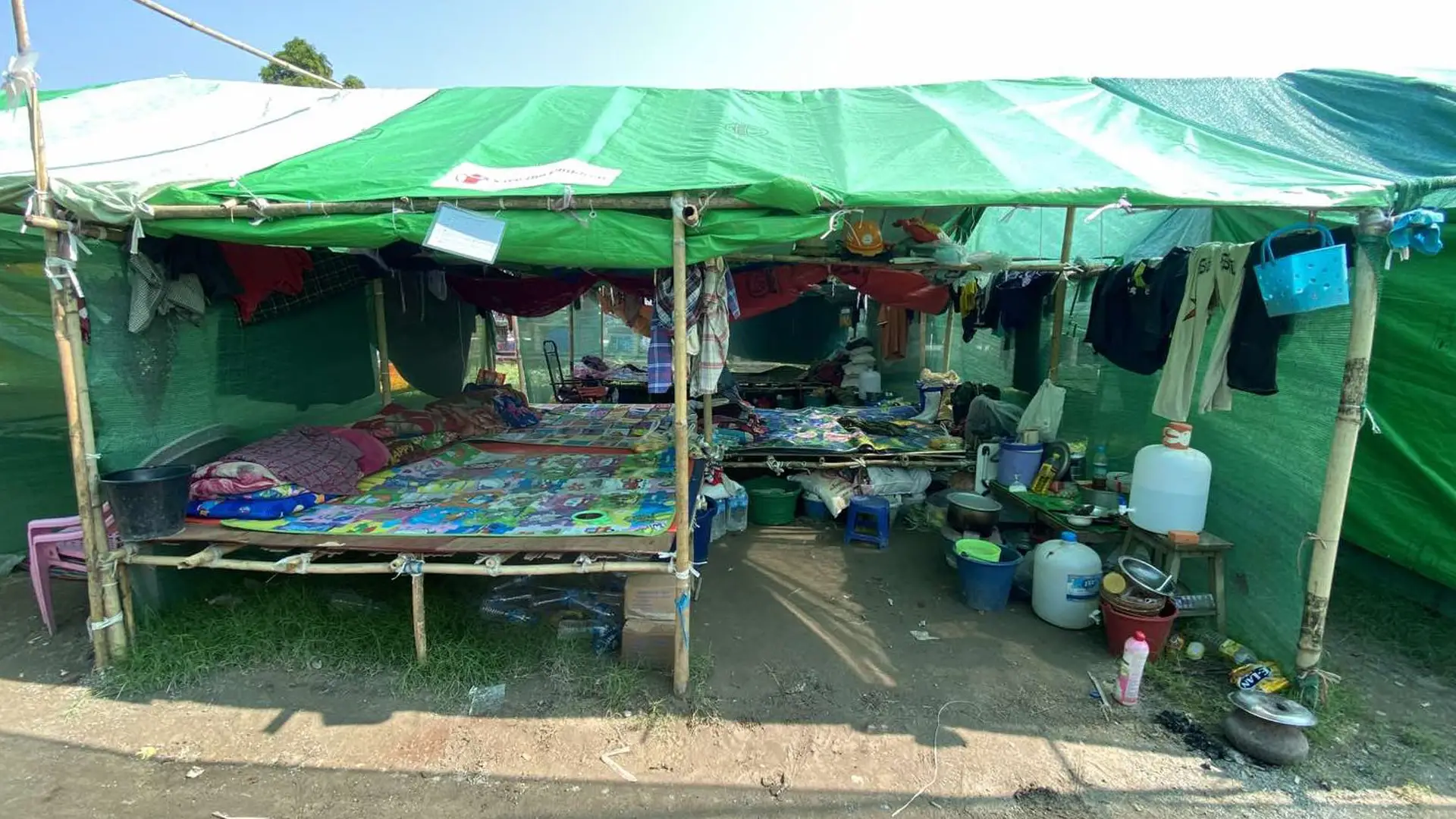
Both Myanmar and Türkiye experienced devastating earthquakes during ReBUILD. Our study in Myanmar generated insights for implementing partners how they might tailor public health emergency responses to address urgent community health needs. In Türkiye, we examined the strengths and weaknesses of the health workforce emergency response, identifying policy actions to strengthen future emergency preparedness and build a resilient health system in Türkiye.

“In the aftermath of the Myanmar earthquakes, I learned that resilience is not built by emergency aid alone, but by strengthening systems that protect dignity, continuity of essential health care, and hope. True recovery begins when even the most vulnerable can access health, safety, and support without interruption.”
YIN MIN AYE, BURNET INSTITUTE, MYANMAR
Key resources