
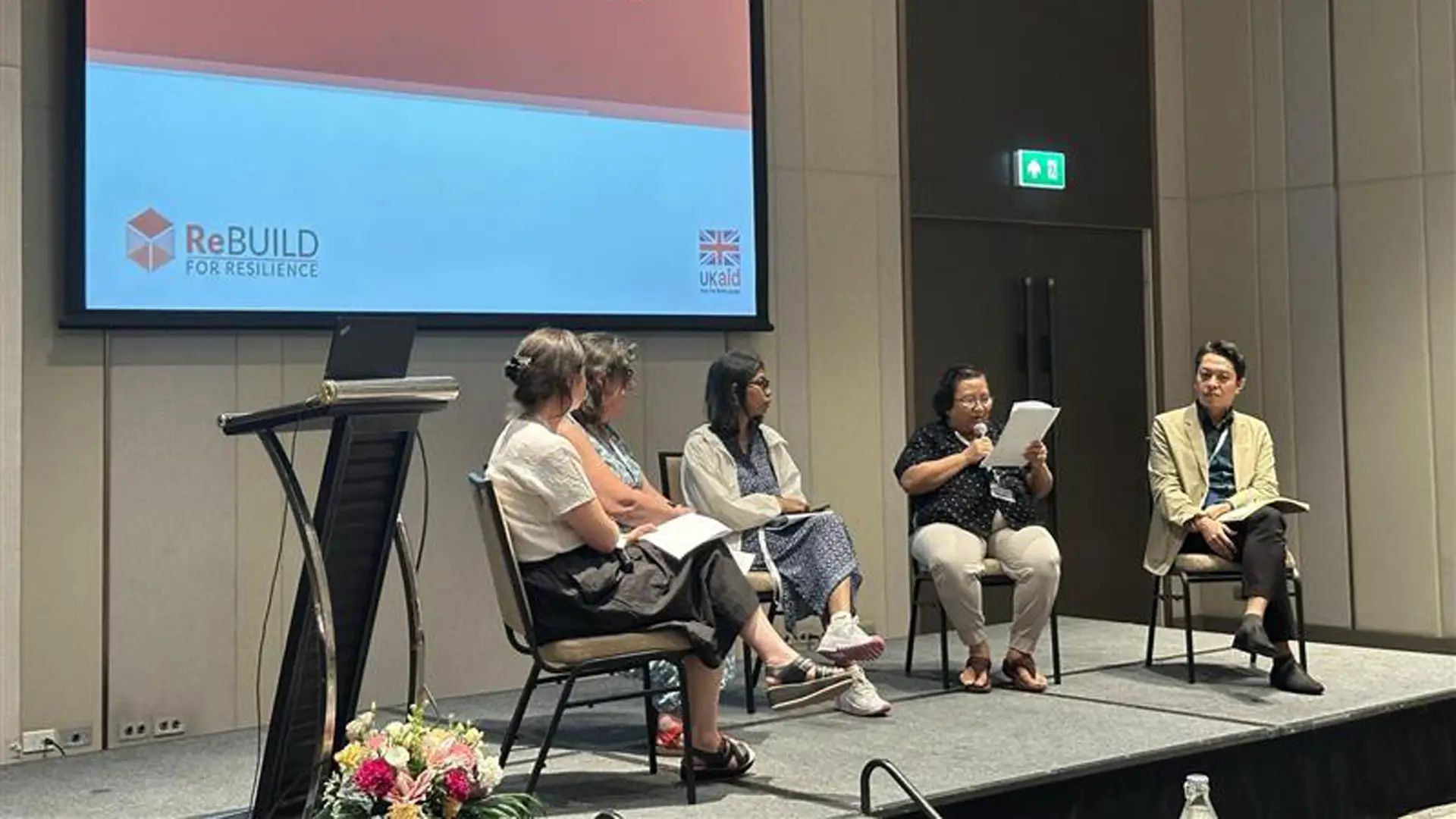
Burnet Institute disseminate their findings to stakeholders
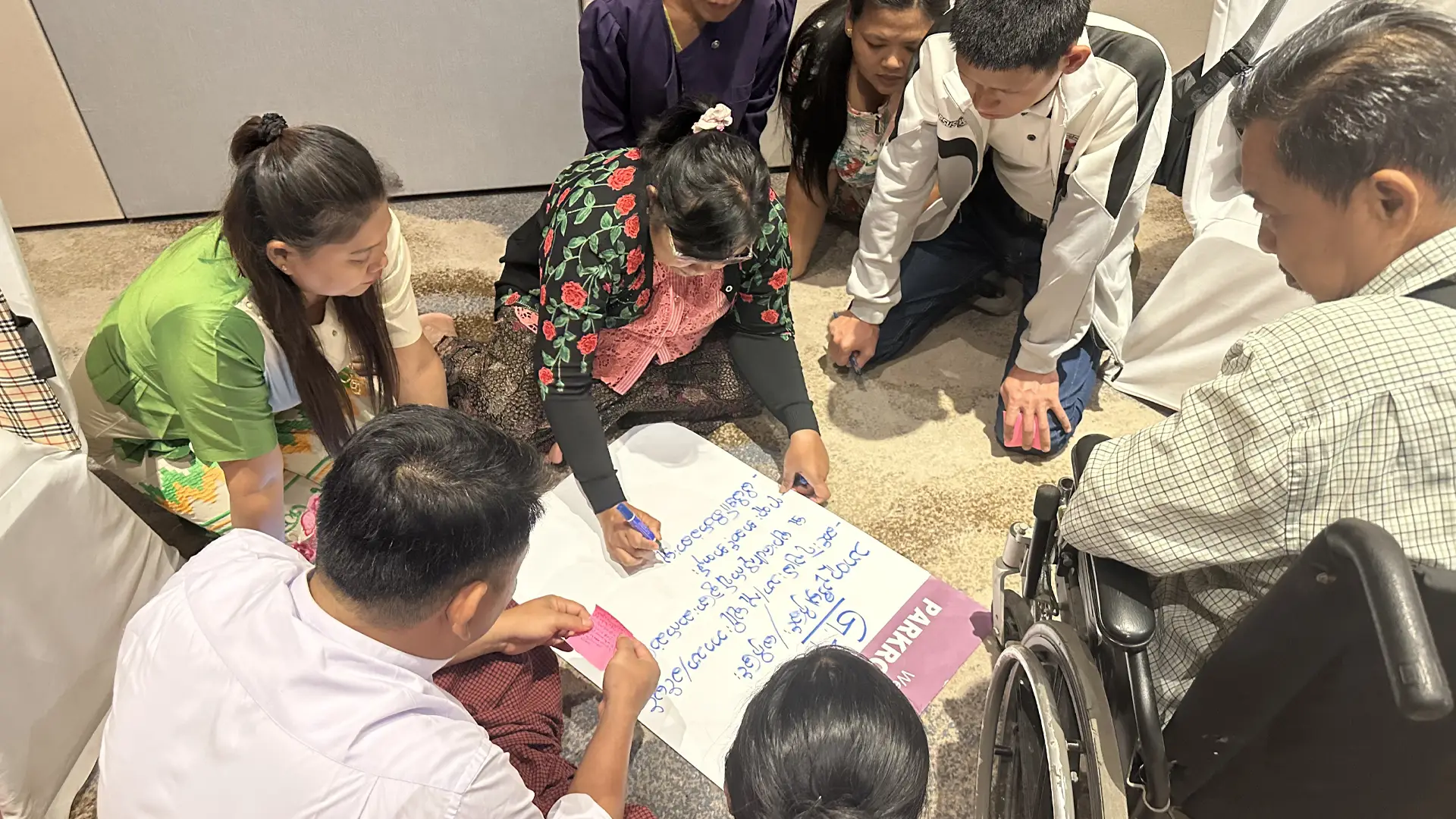
A disability-awareness workshop
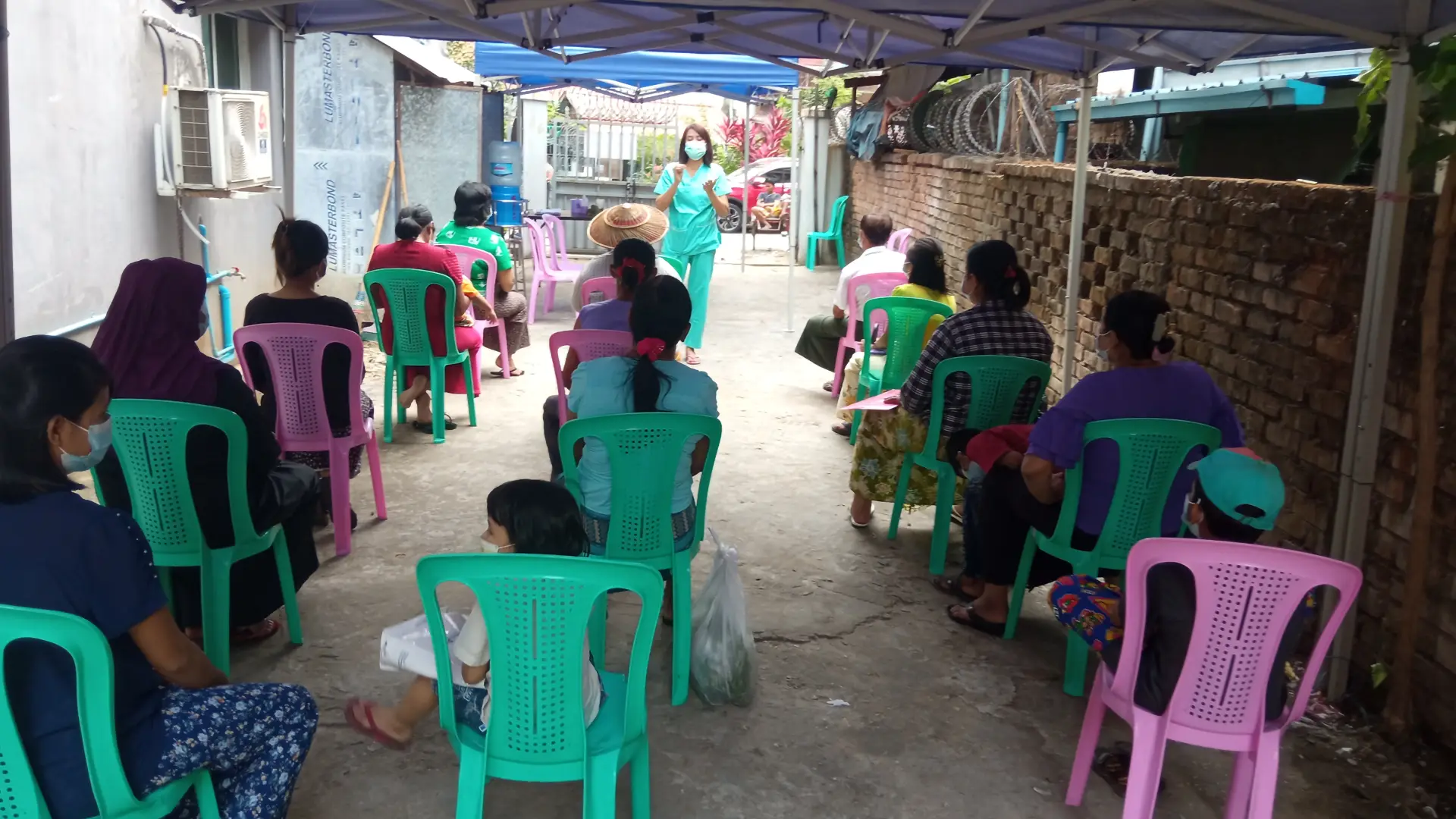
Non-state health education session
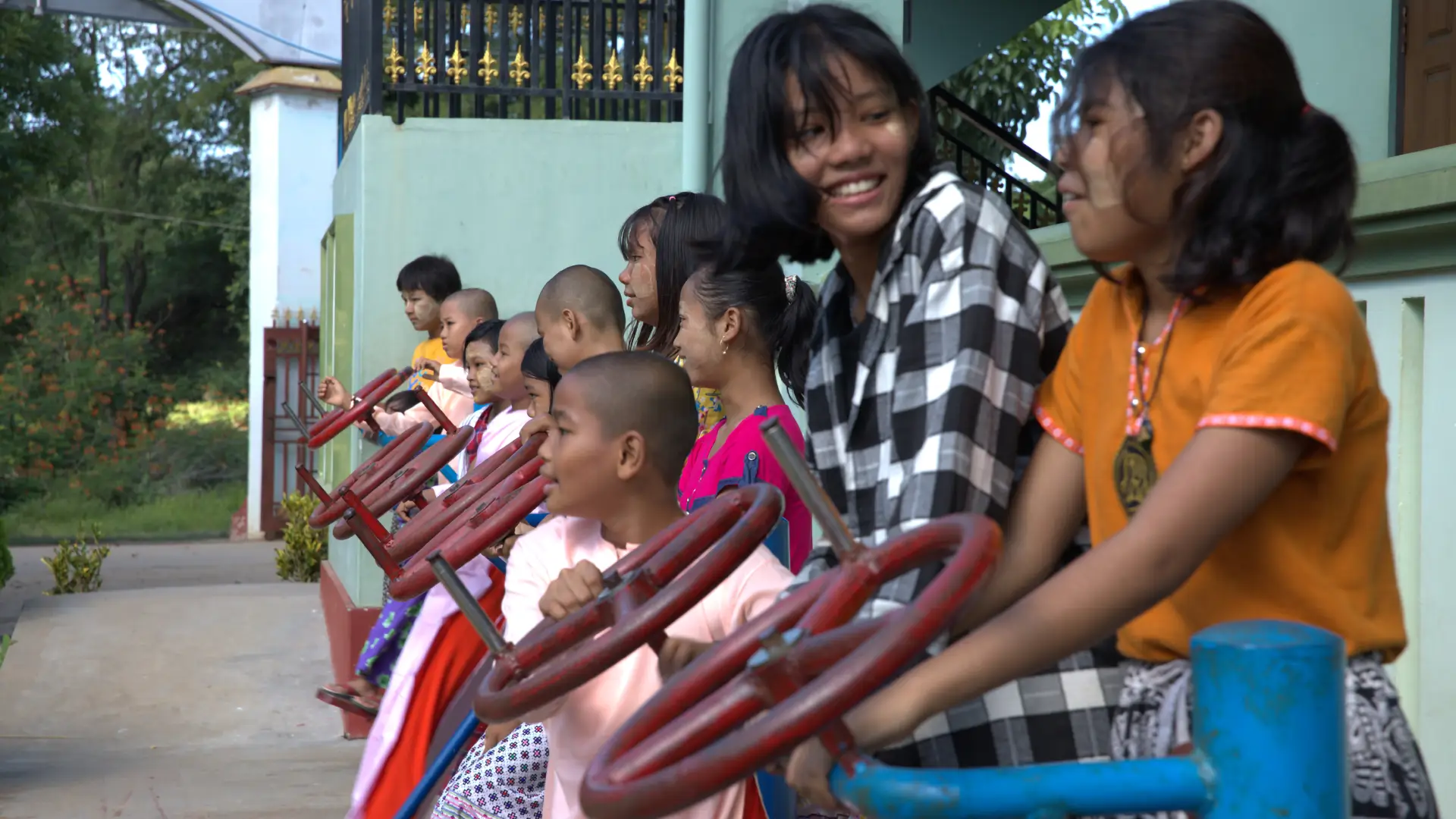
Participants in the young people’s mental health study
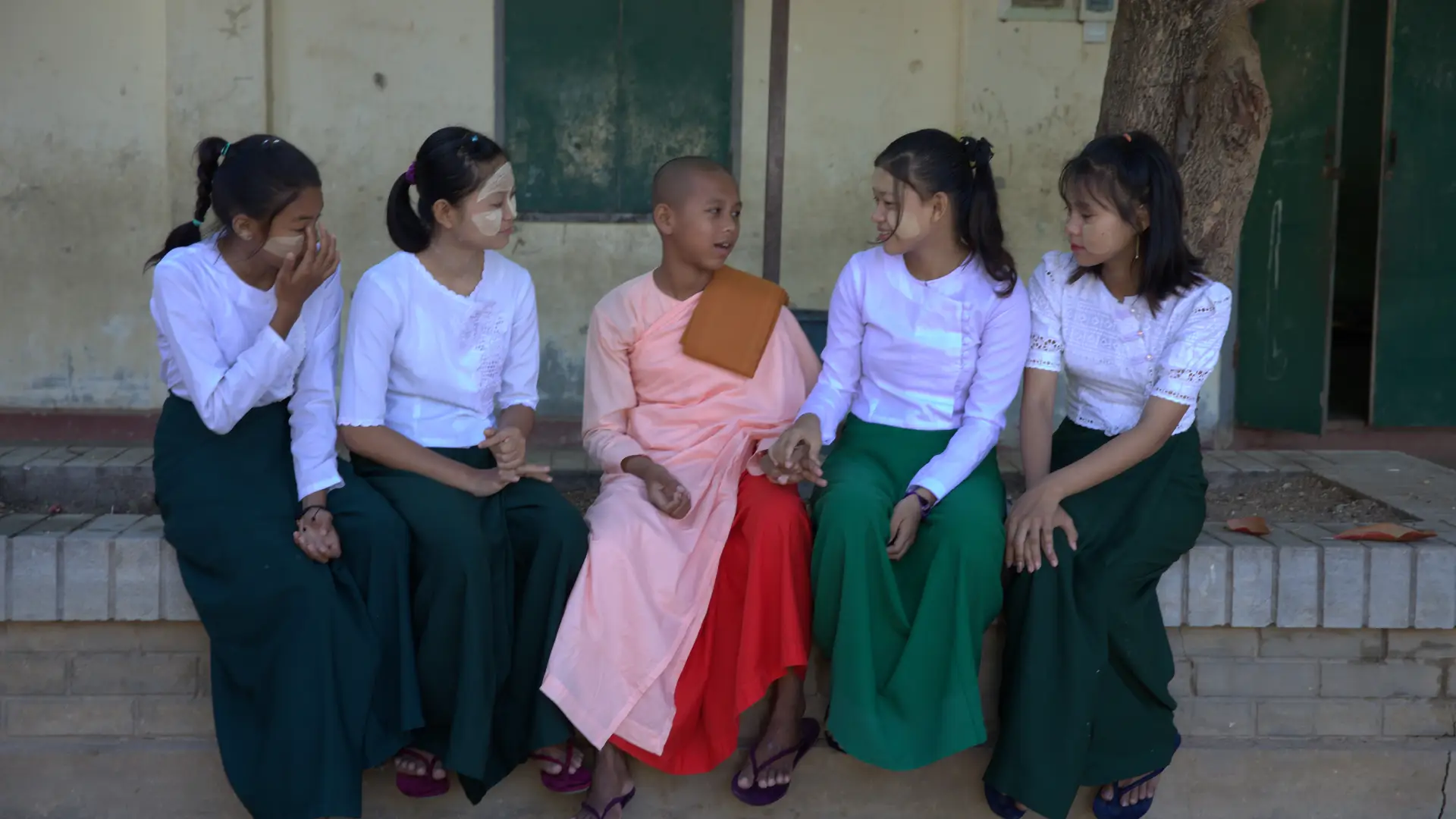
Adolescnet mental health study
Our impact in Myanmar
The team engaged in two-way learning with people with disabilities and organisations supporting them, capacitating them in health system research and co-creating animations which tell those people’s stories. Co-designed community-based health system strengthening initiatives are helping ensure people with disabilities are not left behind.
Evidence was generated post-earthquakes to inform implementing partners on how they might tailor public health emergency responses to meet future urgent community needs.
A new community-based Mental Health and Psychosocial Support Intervention Package, aimed at young people suffering due to cultural, economic and financial stressors, is being informed by evidence generated by the team.
How individuals and non-state actors cope during crises has been explored. People are supported by family, social networks and the emergence of new forms of provision. Non-state actors absorb and adapt, drawing on past experiences and previously developed resilience capacities.
Animation examines and challenges the barriers faced by people with disabilities when accessing the Myanmar health system.
The context
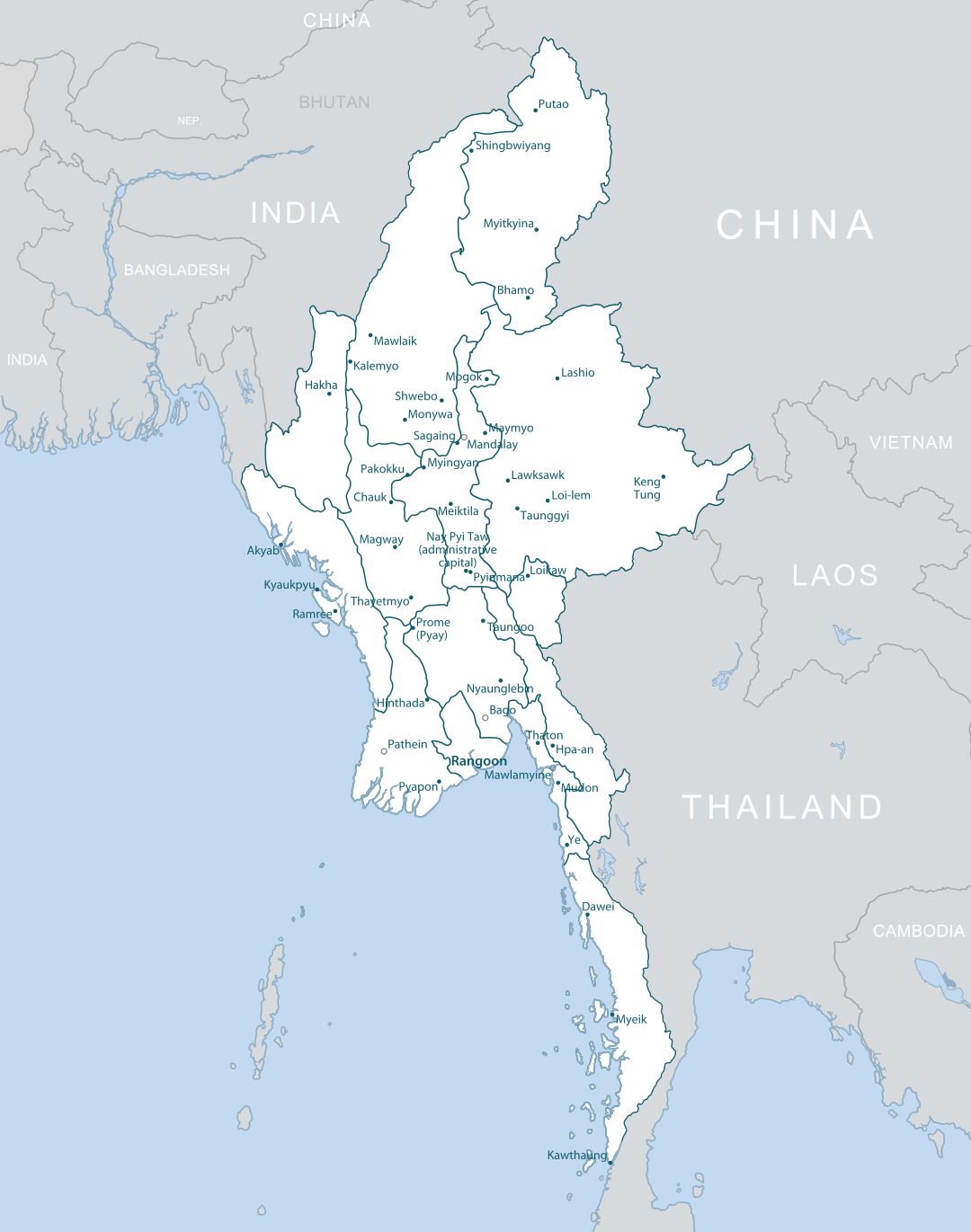
Myanmar has a long history of political crisis and was considered highly fragile when ReBUILD began in 2020. A period of health policy convergence and system strengthening was soon halted, first by COVID-19 and then by a military coup which shook the country. Thousands of people, including health workers, either died or fled to neighbouring countries and border areas. Powerful earthquakes in 2025 further challenged the country’s collapsed health system.
ReBUILD’s work in Myanmar was conducted by Burnet Institute, led by Dr Kyu Kyu Than. The team primarily explored the role non-state actors played in the country’s shifting political, security and socio-economic environment, including the complex web of liminal systems on the Thailand-Myanmar border. Studies on health workers’ roles during the pandemic, young people’s mental health, access to the health system for people with disabilities, the role of the diaspora, the impact of aid cuts, and health care in earthquake-affected areas were also conducted.
Key studies
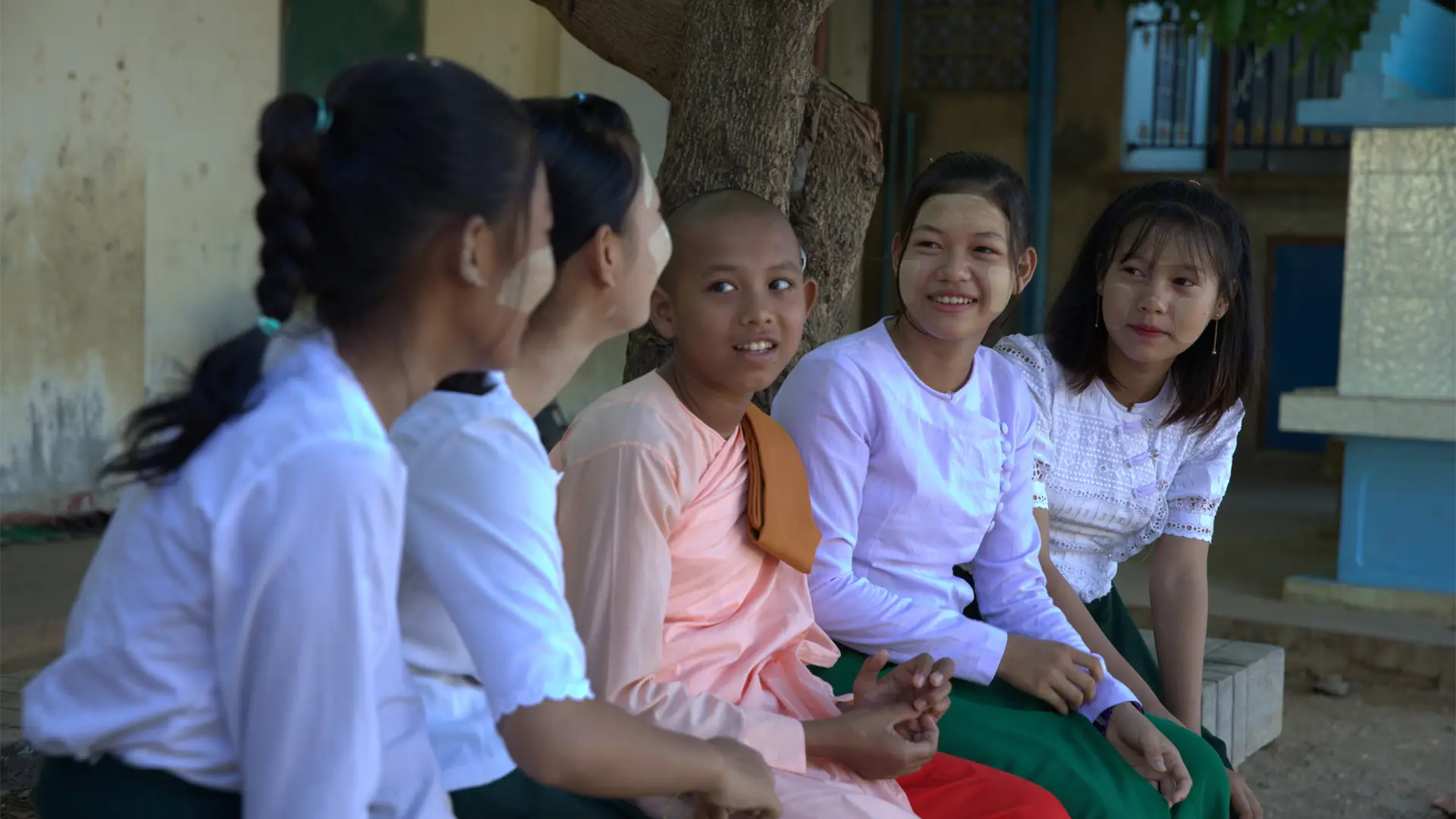
Involving young people in the co-design of research and its implementation increases impact. Timely community-based interventions using innovative delivery models can promote understanding of and prevent mental health issues in young people.
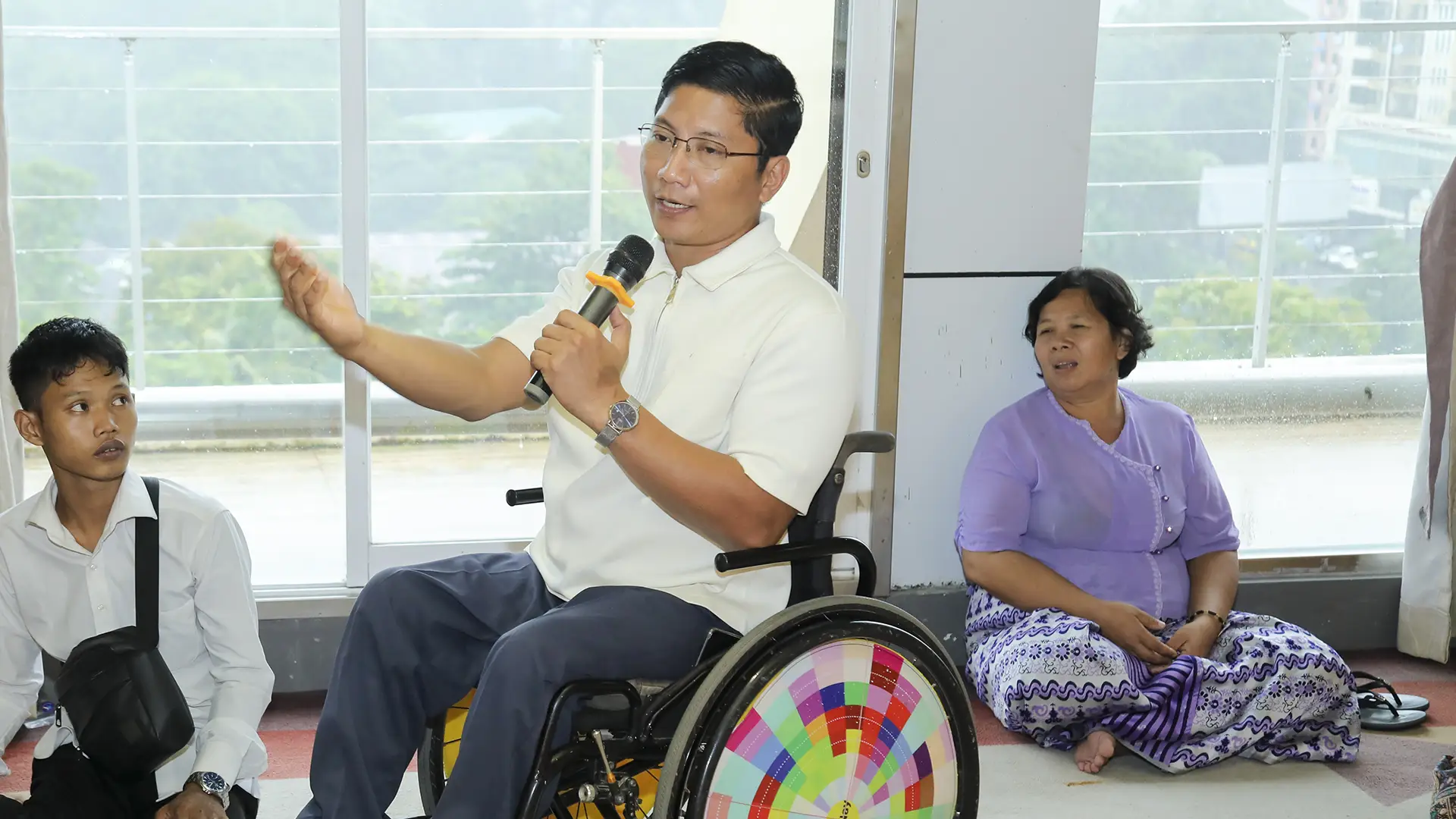
This work aimed to examine the barriers that people with disabilities face in accessing the health system in Myanmar, co-designing interventions to make the system more holistic.
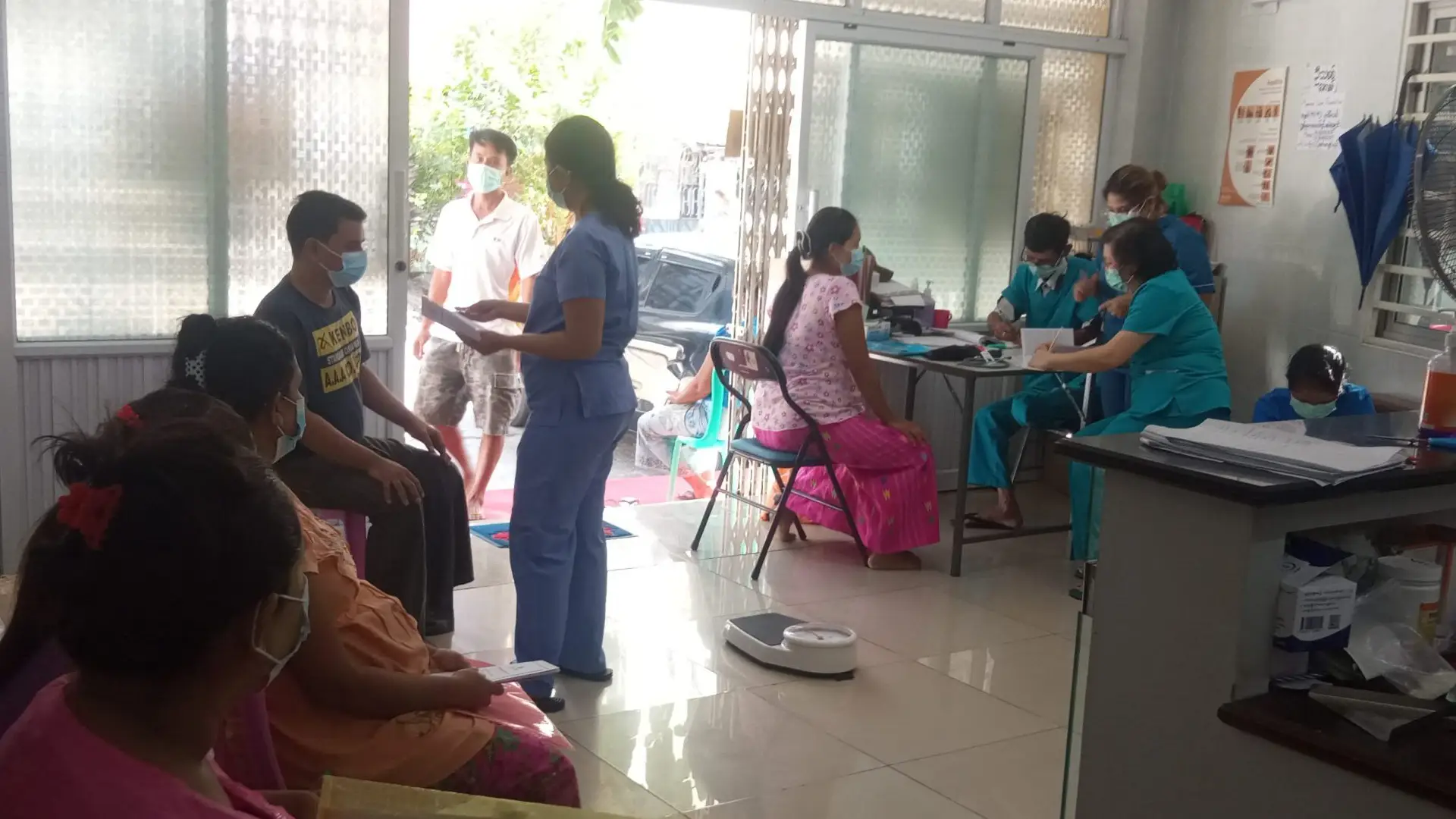
During crisis, people rely on community-based social organisations for transport and essential medicines. Cohesive, organised family support structures and extended, deep social networks play important roles in accessing health care during emergencies.
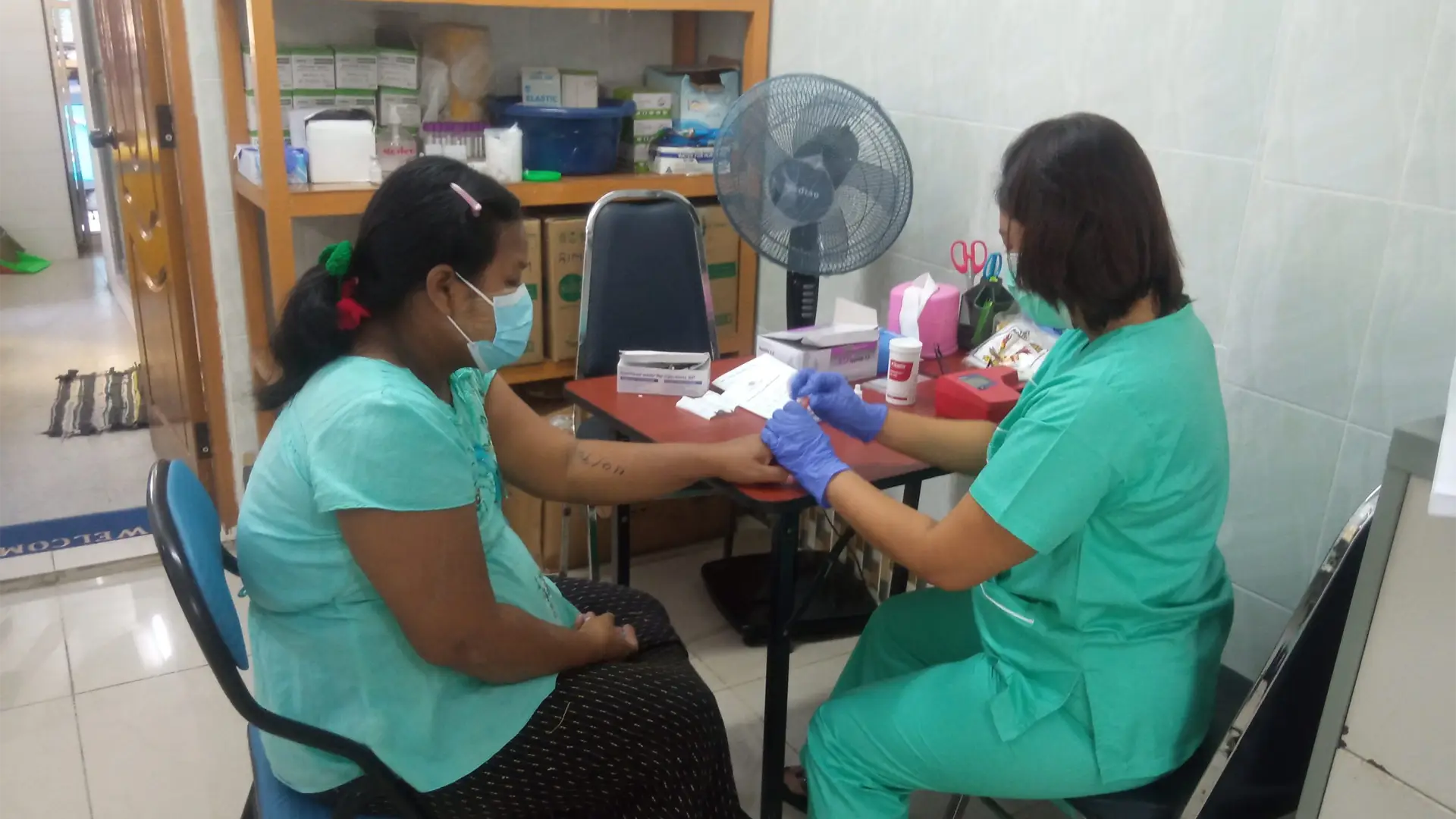
Health system resilience, and the capacity to absorb, adapt and transform in the face of shocks, is informed by past experience, local actors’ relationships with the state, and previously developed resilience capacities.
Amidst conflict and instability, a distinct liminal health system emerged, characterised by fluid movements of patients, supplies, personnel and financing, and a variety of interconnected healthcare providers – facets which enabled adaptive strategies that bolstered health system resilience.
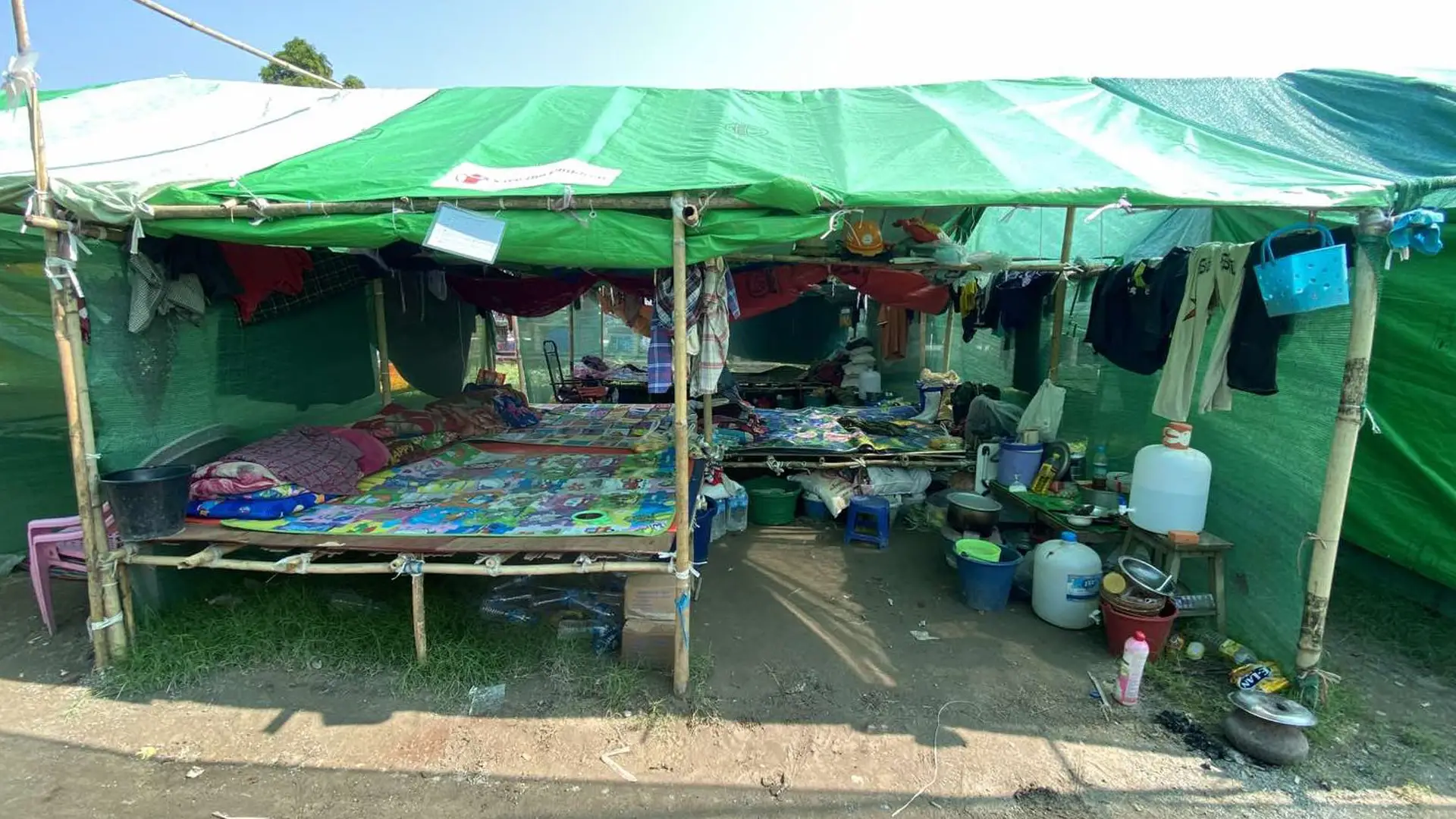
The Burnet team developed a series of key recommendations to inform implementing partners on how they might tailor public health emergency responses to address urgent community health needs.
More findings, studies and outputs from ReBUILD for Resilience partners Burnet Institute Myanmar
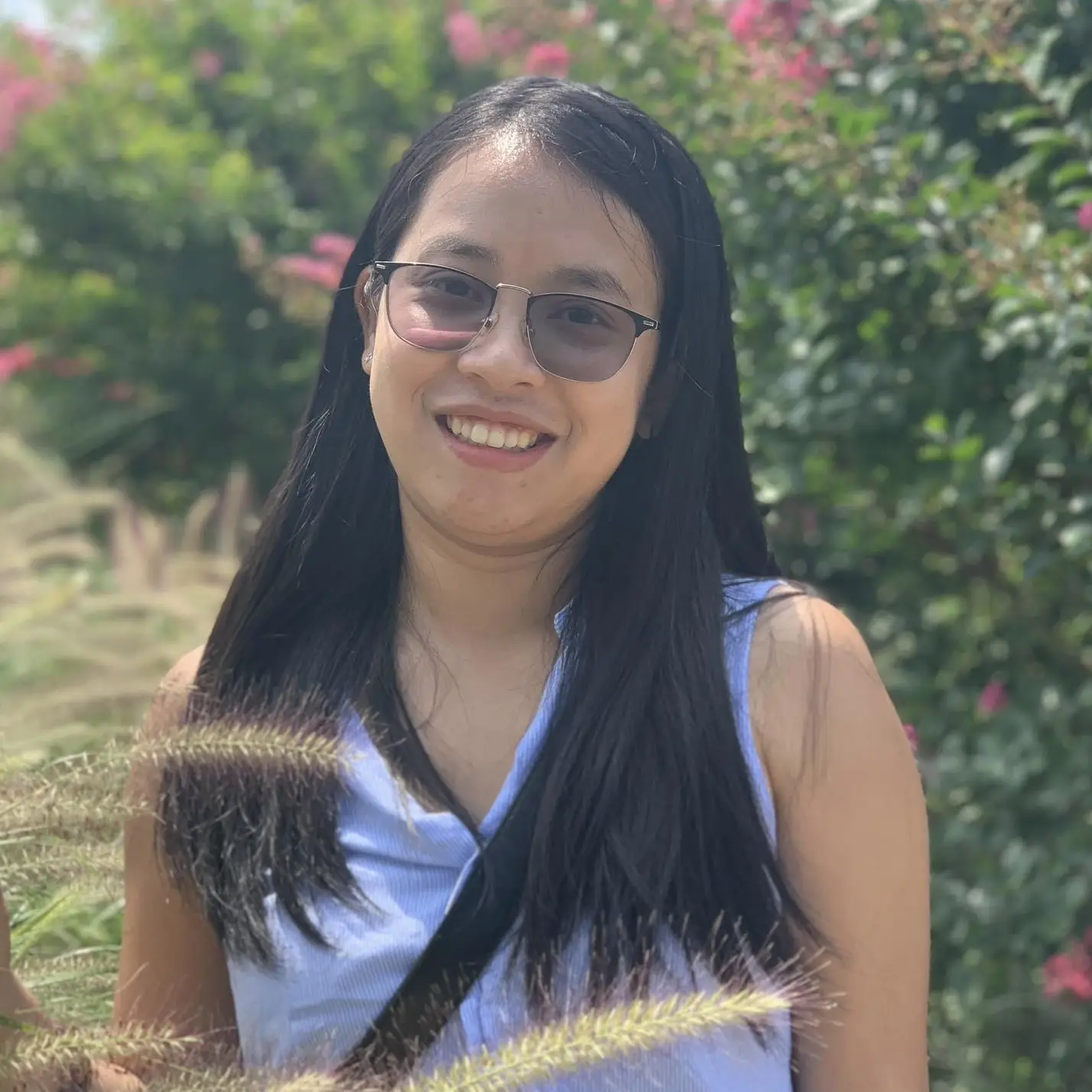
“I am honoured to have contributed to the ReBUILD research projects in fragile and conflict-affected settings in Myanmar. True impact happens when power shifts. I focus on co-design approaches that elevate community voices to become empowered partners, shaping their own health systems and turning resilience into sustainable solutions.”
AYE KYAWT PAING, BURNET INSTITUTE, MYANMAR
Key resources