
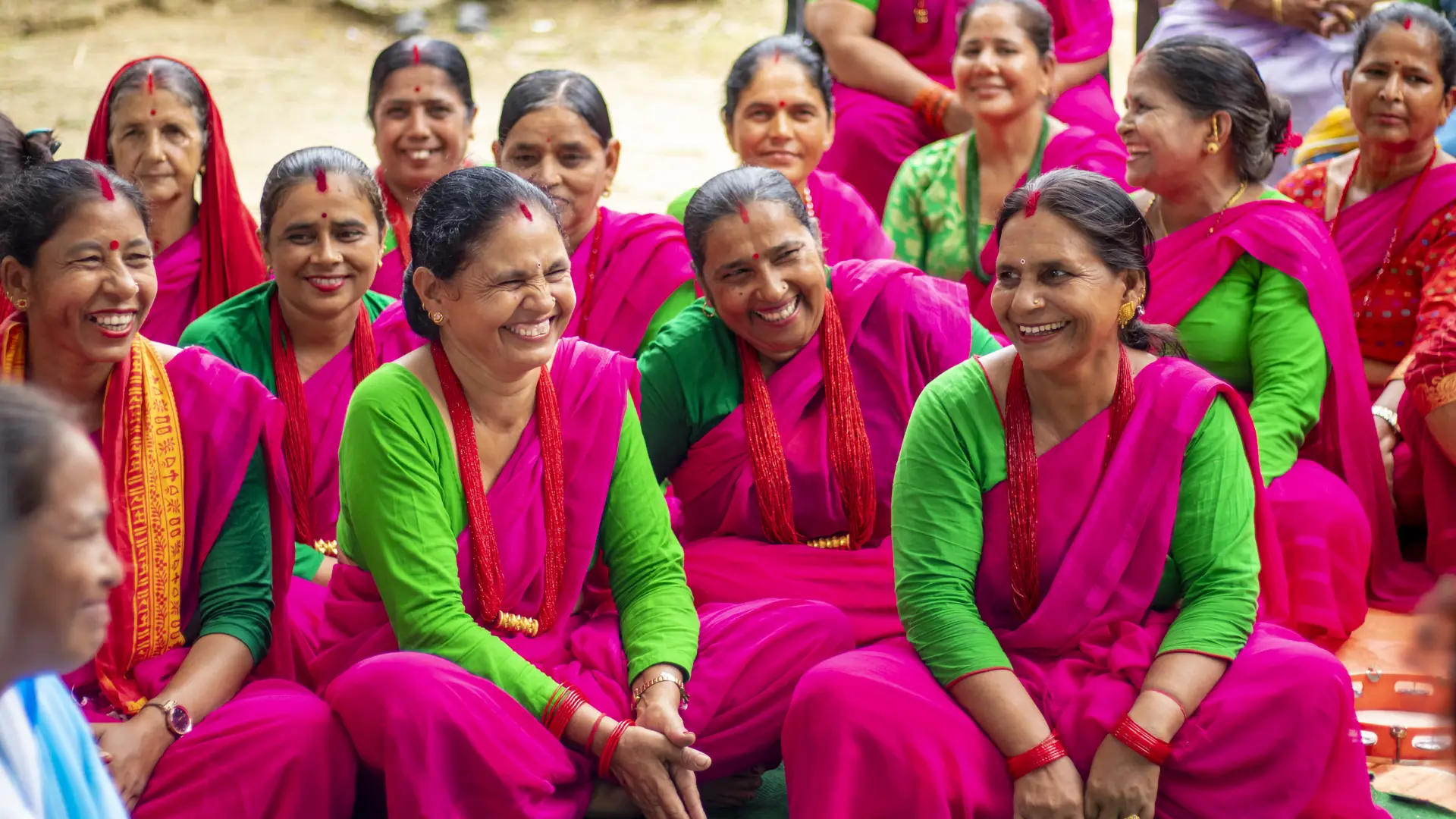
A mothers’ group
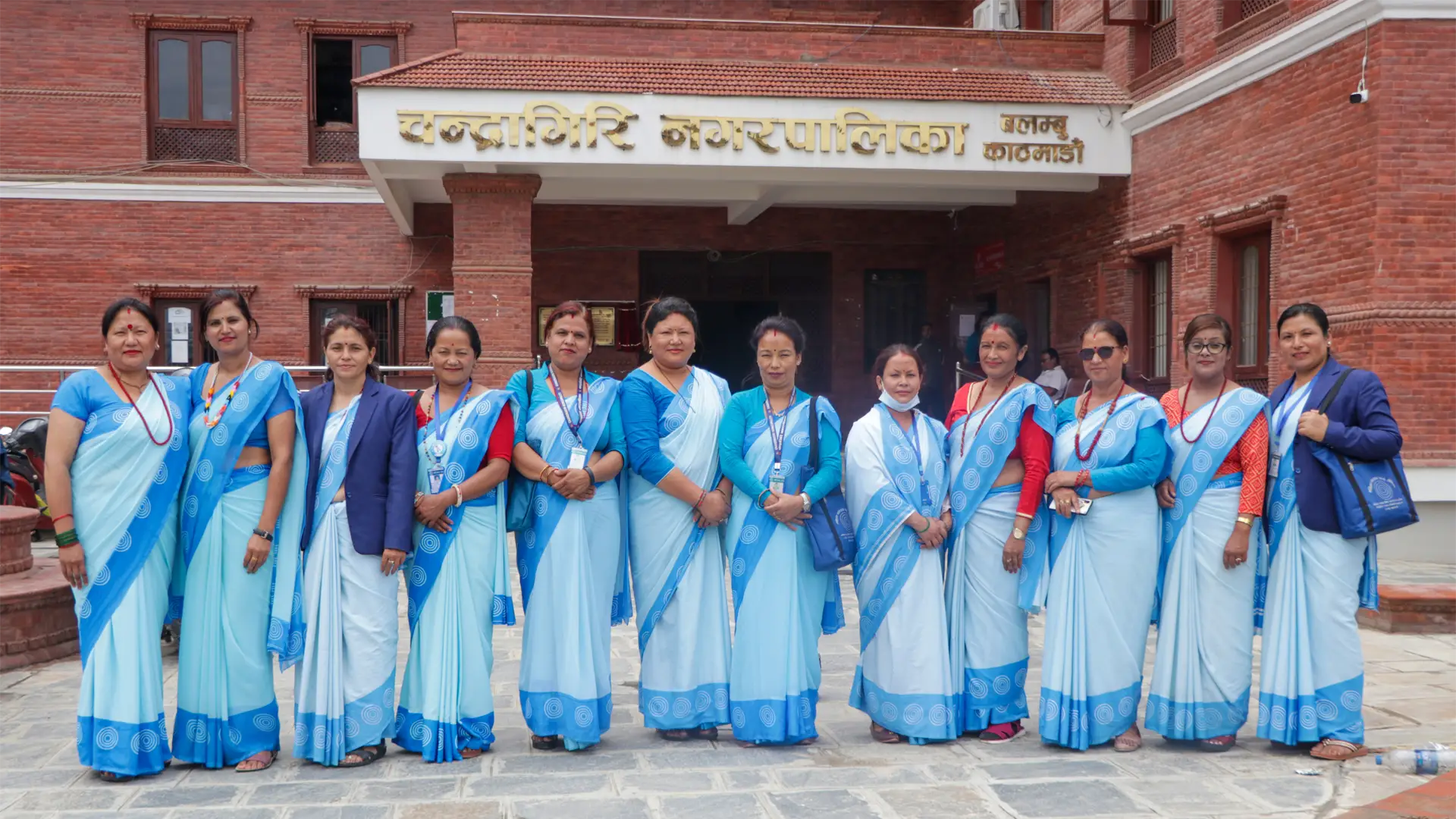
Female Community Health Volunteers
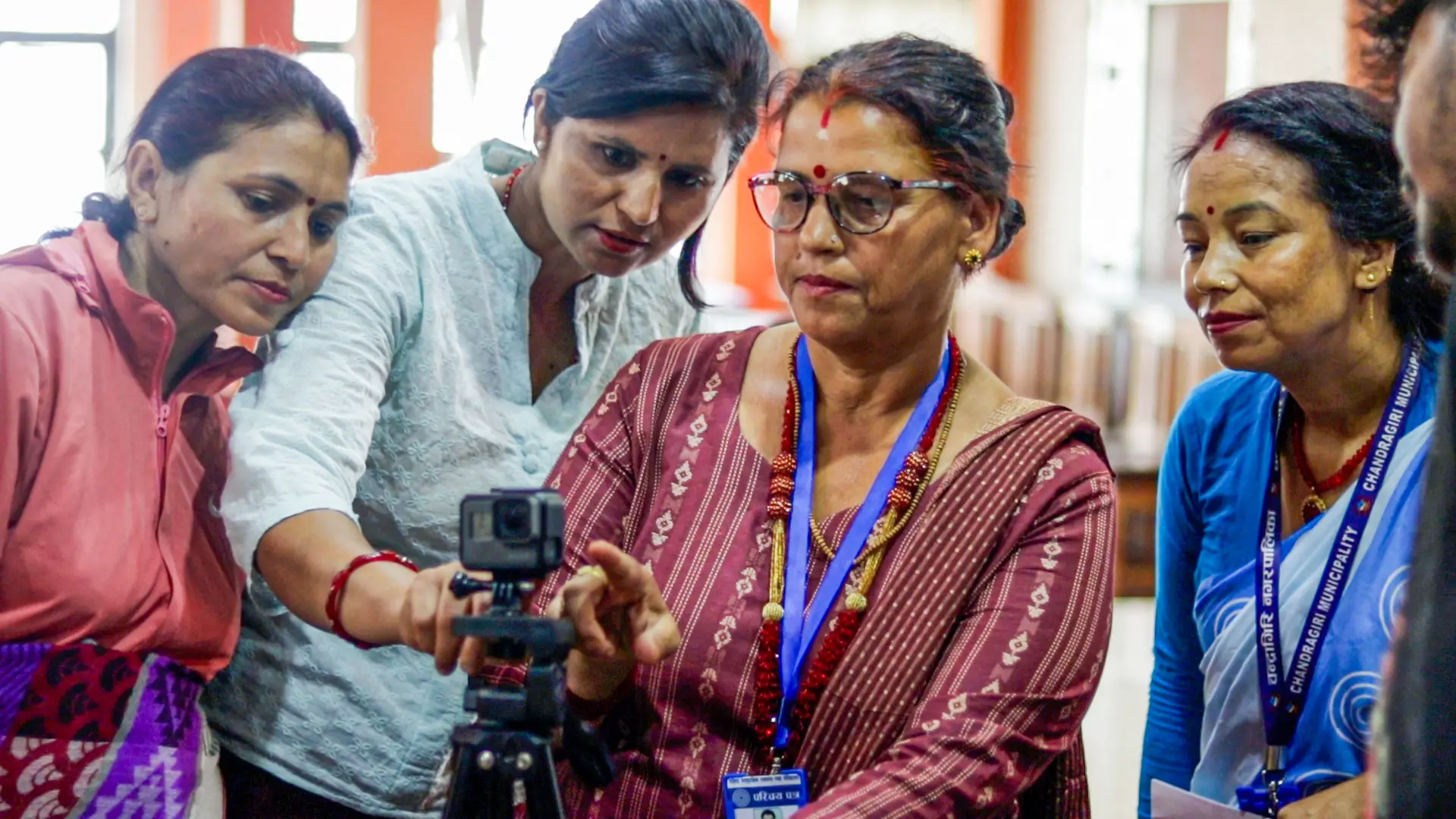
Female Community Health Volunteers learning to film
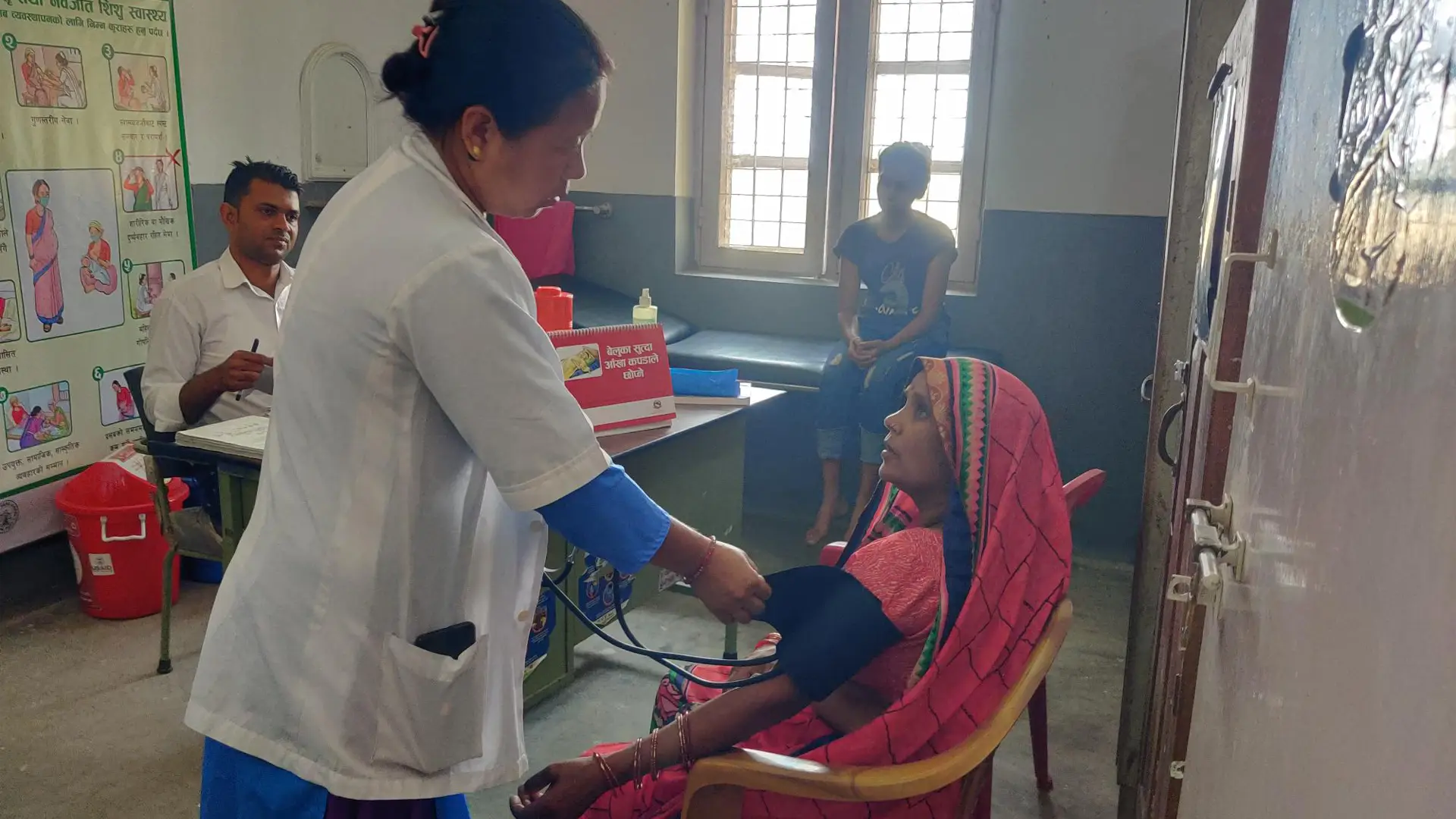
A primary health care facility in Kapilvastu
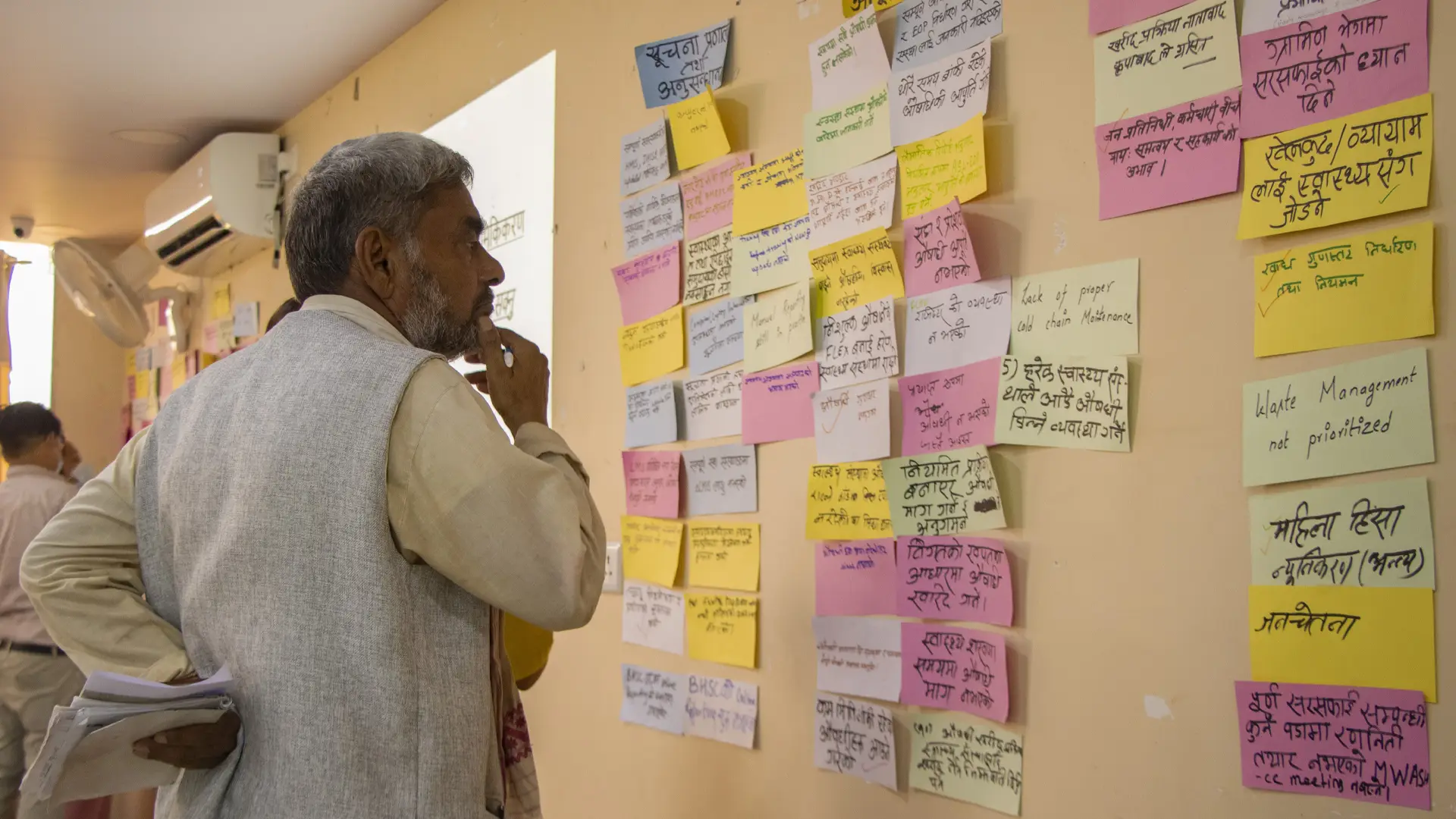
A participatory action research workshop with community members in Kapilvastu
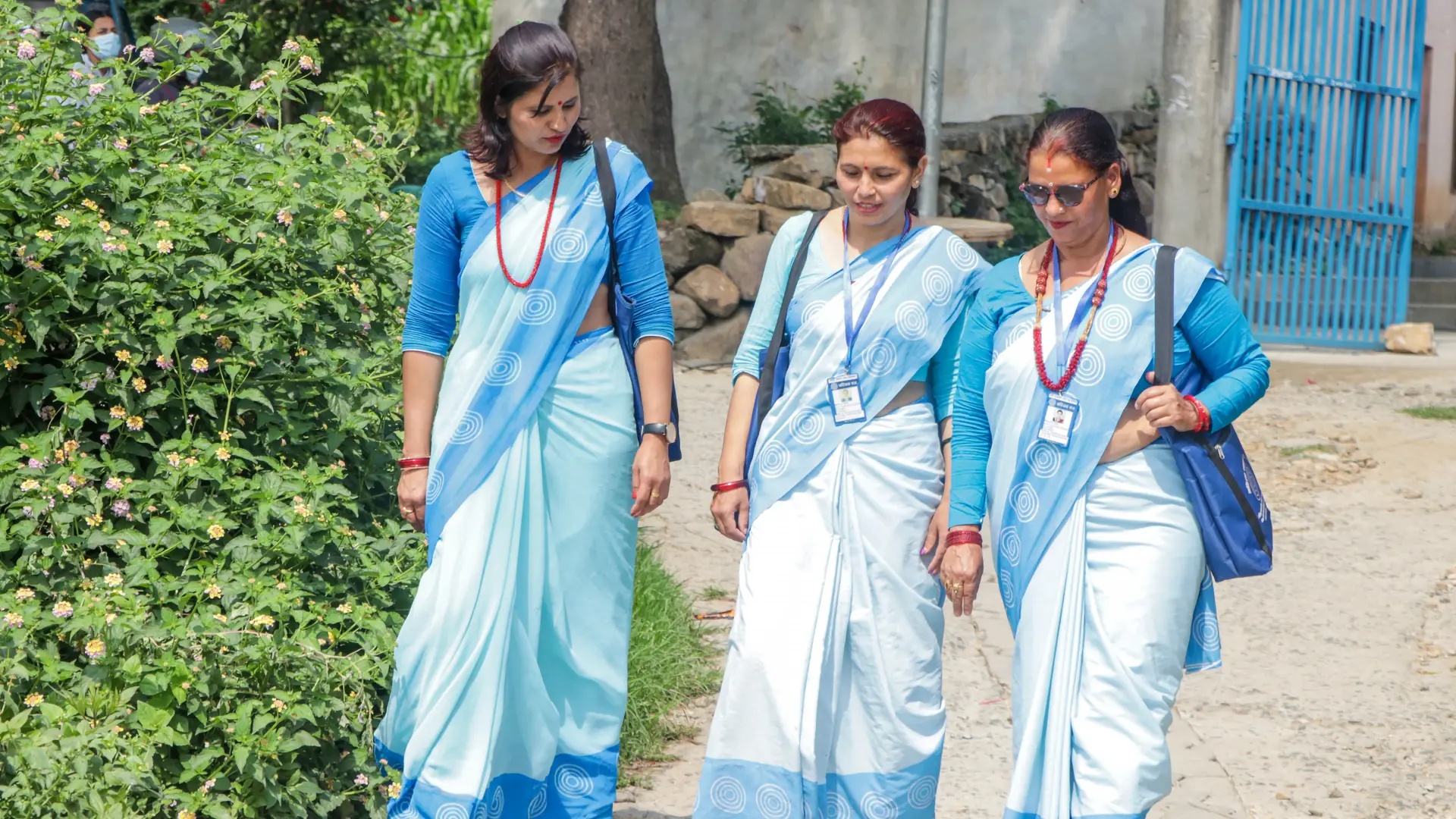
Actors in the Female Community Health Volunteer-produced film
Our impact in Nepal
Demonstrated the effectiveness of an embedded learning site model, showing how long-term partnership can improve municipal governance, planning, and adaptive decision‑making.
We strengthened evidence-based planning and budgeting, demonstrated by a growing municipal focus and investments in locally-identified health priorities.
We co-created practical tools, policy guidelines, and operational processes with local governments, many of which have been integrated into routine municipal systems for implementation, consistency and accountability.
Community health structures were improved by strengthening existing platforms such as Health Facility Operation and Management Committees and Female Community Health Volunteers, and mobilising community facilitators, enabling responsive, accountable, and inclusive local-level engagement and interventions.
We developed learning and knowledge‑sharing platforms within and across municipalities and tiers, supporting peer learning, cross‑municipality collaboration, and multi‑level system strengthening.
Together we produced robust, locally-grounded evidence on health system resilience. Topics include climate change, diaspora, and close-to-community health care strengthening.
Abriti Arjyal talk about the team’s participatory learning approach, gender insights, and implications for fragile and shock-prone health systems
The context
Federalisation in Nepal has led to a significant transformation in governance, establishing a three-tier government structure (federal, provincial and municipal (local) levels). While decentralisation aims to bring services closer to communities in all sectors, including health, it has also presented coordination and governance challenges. Over the course of ReBUILD, the Nepali health system has also been impacted by COVID-19, the collapse in international aid, and civil unrest.
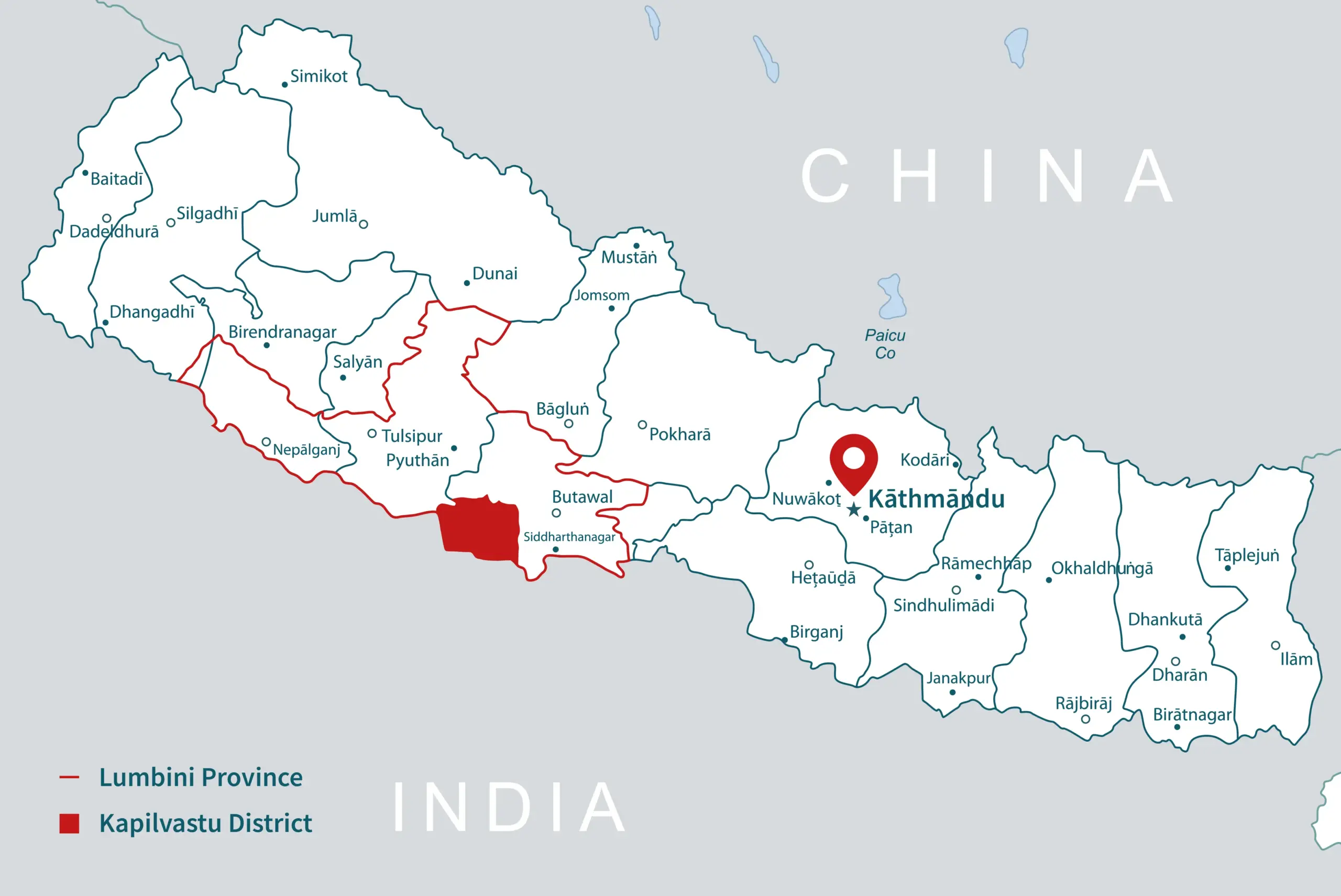
ReBUILD’s research in Nepal was conducted by HERD International, led by Dr Sushil Barral. The team’s work has been primarily based at their learning sites in Kapilvastu district, working with health sector and other stakeholders to address the local-level challenges presented by federalisation and to capitalise on the opportunities afforded to build local health system resilience. Studies have also looked at the experiences of female community health volunteers, the climate resilience capacity of Nepal’s health system, how to strengthen the public financial management system at multiple levels, the role of the diaspora and the impact of recent aid reductions.
Key studies
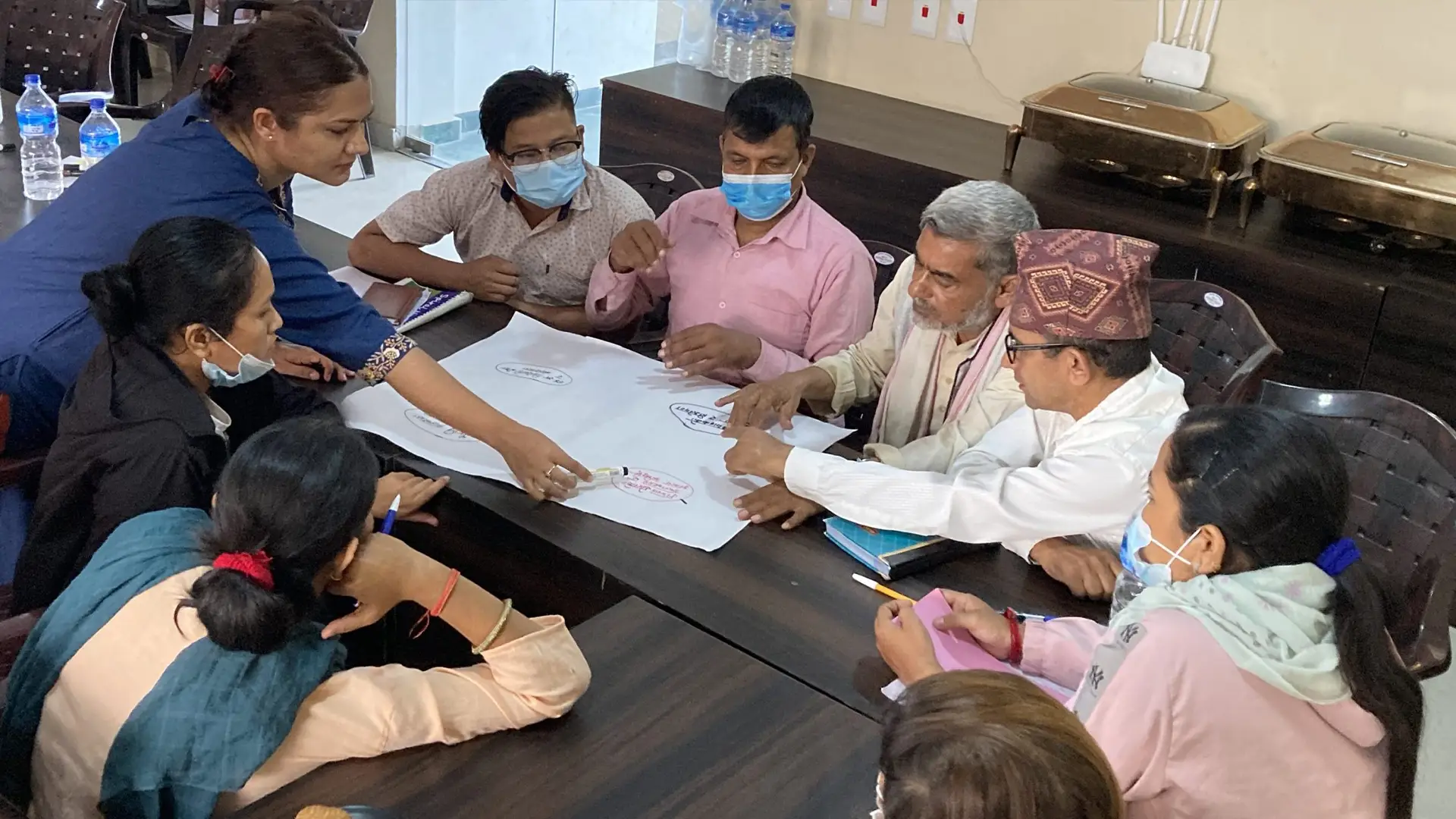
Amidst vulnerability to shocks and stressors, Nepal’s local governments encounter substantial capacity gaps. Challenges originate from unclear roles and responsibilities across three tiers of government, misalignment between responsibility and capacity, insufficient resources and inadequate coordination.
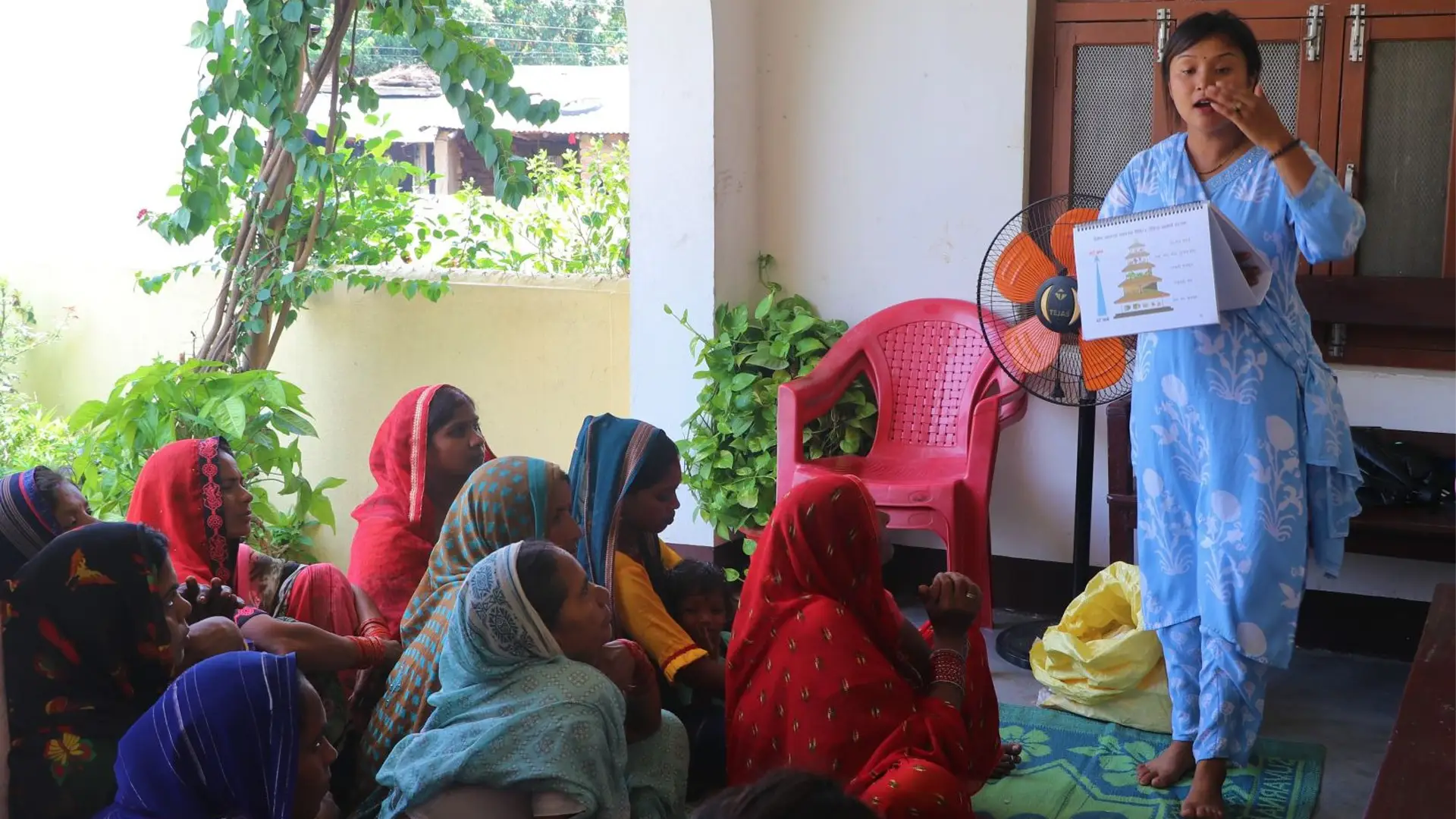
A multi-tier coordination mechanism in Kapilvastu enabled dialogue, collaboration and joint problem solving across three tiers of government. Improved cross-municipality coordination, resource mobilisation and pooling of specialist health care services are taking place, informing policy refinement and structural adaptation.

The study explored the policy context and assessed the climate resilience capacity of health systems in Nepal, especially at the local level, to address the health risks of climate change in the country. Despite federal policies, the study found local health systems remain under-prepared for climate crisis, highlighting the need for stronger support, communication, and integration of climate resilience into local health governance.
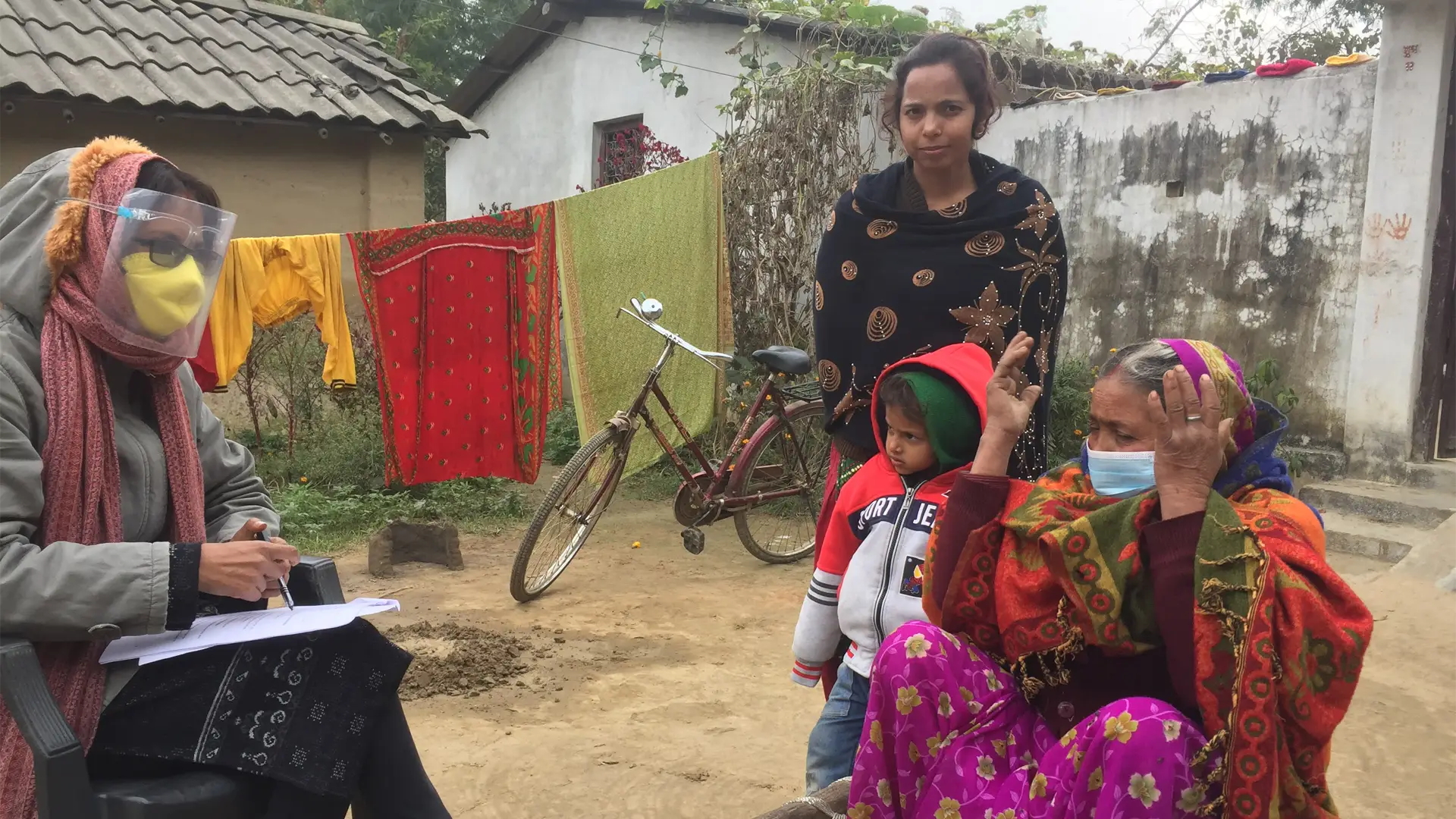
The study emphasised the importance of strong and flexible governance structures and strengthened capacity of subnational governments to effectively manage pandemics. Key areas and pathways that contribute to the resilience capacities of health systems were identified, with lessons for other fragile and shock-prone settings.
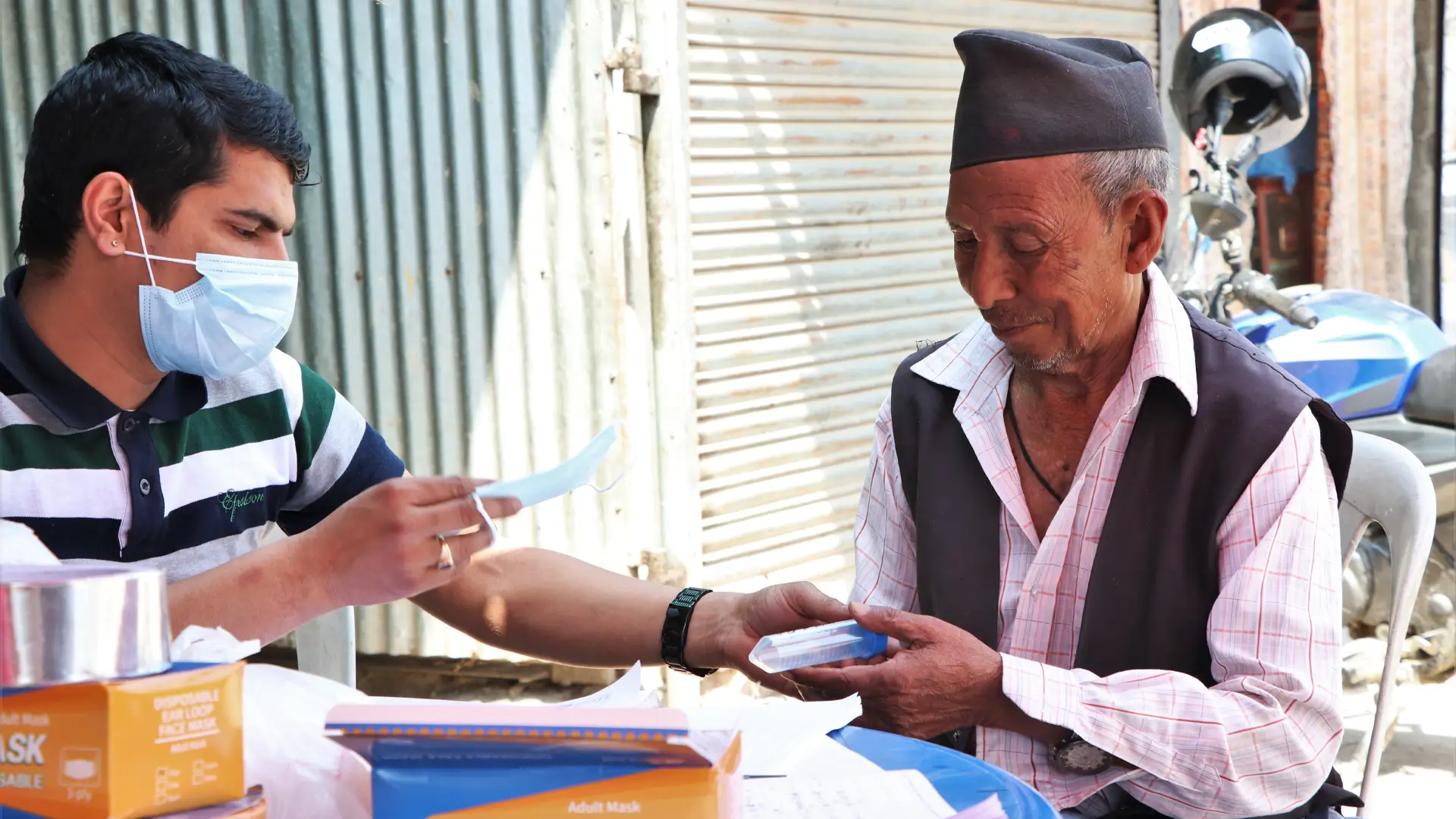
Effective decentralisation requires subnational systems, processes, and skills for health sector public financial management. Support should focus on tackling every day and immediate issues facing personnel, embracing an iterative approach with close collaboration between technical experts and policymakers.

More findings, studies and outputs from ReBUILD for Resilience partners HERD International

“Working through the ReBUILD learning sites in Nepal has changed not only how I understand resilience, but how I practice it. Navigating the complex governance dynamics alongside municipality teams and watching them turn small institutional changes into meaningful improvements taught me that resilience is built through everyday leadership, learning, and adaptation. Being part of this journey has shaped me as a researcher, and the principles and approaches I carry forward in strengthening health systems.”
SHOPHIKA REGMI, HERD INTERNATIONAL
Key resources